

General Motors has a message for modern truck and SUV owners: that ticking sound coming from your V8 engine is completely normal, so stop asking the dealership to fix it.
Given the well-documented history of AFM/DFM lifter failures on these engines, it is no surprise that owners experience an immediate spike in blood pressure the second they hear valvetrain noise. But before you demand a service appointment, GM wants you to know that your engine isn’t dying, it is just cold.
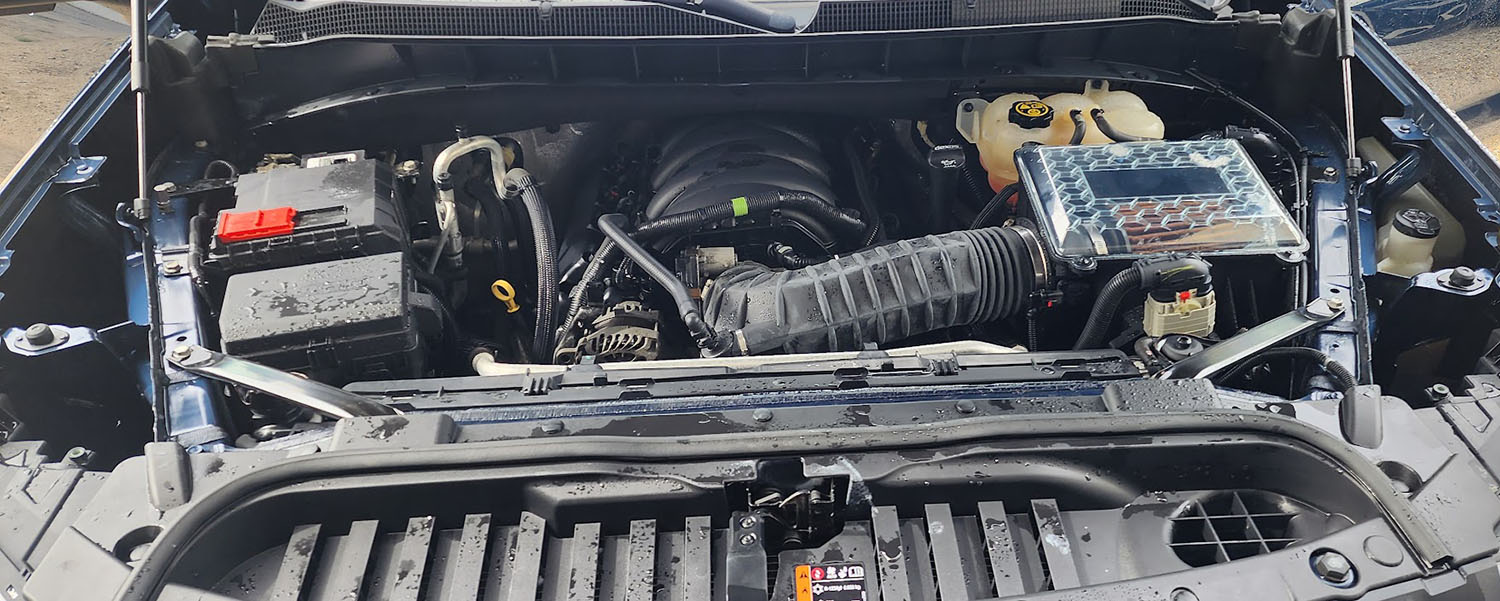
According to a recently released internal GM Service Bulletin, a distinct “tick,” “tap,” or “typewriter” noise is an expected, perfectly normal operating characteristic of the 5.3L, 6.2L, and 6.6L V8 engines (RPOs L84, L87, and L8T).
The Affected Vehicles (2019-2026 Models)
Whether you drive a light-duty Silverado or Sierra, or rely on a heavy-duty Silverado HD or Sierra HD for towing, this bulletin covers almost the entire modern V8 lineup. Specifically, the affected models include:
The “Typewriter” Phenomenon
GM’s bulletin notes that this ticking is most prominent following a “cold soak” (when the engine oil is completely cold) and can last for up to 10 minutes before subsiding as the engine reaches operating temperature. You will usually hear it echoing from the front wheel wells or down by the transmission bell housing and oil pan. The frequency of the tick can vary with engine speed and from truck to truck.
GM’s Official Fix: Do Nothing
If you take your truck to the dealer for this specific cold-start noise, expect to be handed your keys right back. GM’s explicit instruction to its service technicians is a firm, “Do not perform any diagnostic procedures or repairs to the engine for a normal tick sound condition.”
The automaker insists the noise does not indicate a mechanical malfunction and has absolutely zero short- or long-term impact on engine performance, reliability, or durability. So, in this specific case, you are officially cleared to ignore it and just keep driving.
Why V8 Owners Are On Edge
We understand exactly why a ticking engine causes immediate anxiety. The GM-Trucks.com forums are filled with members discussing these exact valvetrain concerns.
From deep technical guides detailing how AFM lifter failure is explained, to frustrating stories of another low-mileage V8 falling to the AFM lifter defect, our community knows the risks intimately.
Many owners are even proactively crowdsourcing maintenance strategies, asking things like, “Is this plan sufficient to stave off potential AFM failure?“
While this specific cold-start tick might be deemed a normal characteristic by GM, the broader context of valvetrain noise is something our members don’t take lightly.

Zane Merva is the Executive Editor of GM-Trucks.com and the President of the New England Motor Press Association (NEMPA). A veteran automotive journalist with over 26 years of experience, Zane is a designated ‘Car Talk’ Expert and has been a contributor to The Boston Globe. He possesses a unique evaluative perspective, having road-tested more than 2,000 vehicles across every major manufacturer. While he is a recognized authority on General Motors truck platforms—including the Silverado, Sierra, and Colorado—his expertise is grounded in decades of deep competitive analysis that few in the industry can match. His commentary has been featured by major OEMs and media outlets, including Hyundai and PR Newswire