

If you drive a late-model General Motors truck or SUV with a 6.2L V8 under the hood, you’ve likely been following the massive engine recall saga over the past year. Owners dutifully took their vehicles to the dealership, got the official fix, and thought their engine troubles were in the rearview mirror.
But now, there is a massive new development. The National Highway Traffic Safety Administration (NHTSA) has launched a formal investigation to find out if GM’s official recall fix actually worked… or if hundreds of thousands of engines are still at risk.
Here is a complete breakdown of the history behind the 6.2L V8 defect, why the government is stepping back in, and what you need to know to protect your Silverado, Sierra, or GM full-size SUV.
The Backstory: The Original 6.2L V8 Recall
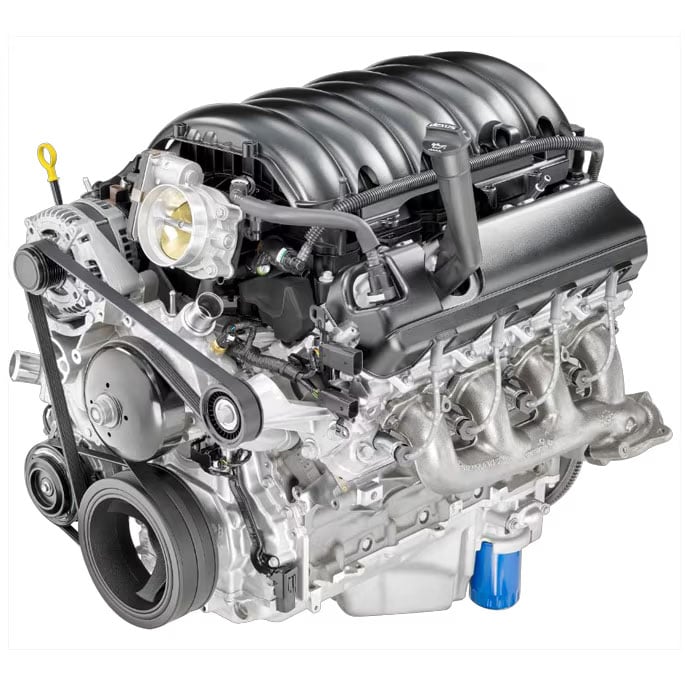
To understand the current crisis, we have to look back to April 2025. As we originally reported in our massive deep-dive on the 6.2L L87 recall, GM recalled these engines (NHTSA Campaign 25V274) due to manufacturing defects in the connecting rods and crankshafts.
If these core internal components failed, the engine could seize up or lose all power while driving. The affected models included 2021–2024 Chevrolet models like the Tahoe, Suburban, and the Chevrolet Silverado (specifically the Silverado 1500), alongside the GMC Sierra 1500, Yukon, and Cadillac Escalade.
The official dealership fix was a two-part approach based on an engine inspection:
-
If it passed the inspection: The engine oil was upgraded from the standard 0W-20 to a thicker, higher-viscosity 0W-40 full synthetic to provide better protection under high stress, along with a new oil cap and filter.
-
If it failed the inspection: The vehicle was quarantined, and the engine was completely replaced.
The New Problem: Engines Are Still Failing
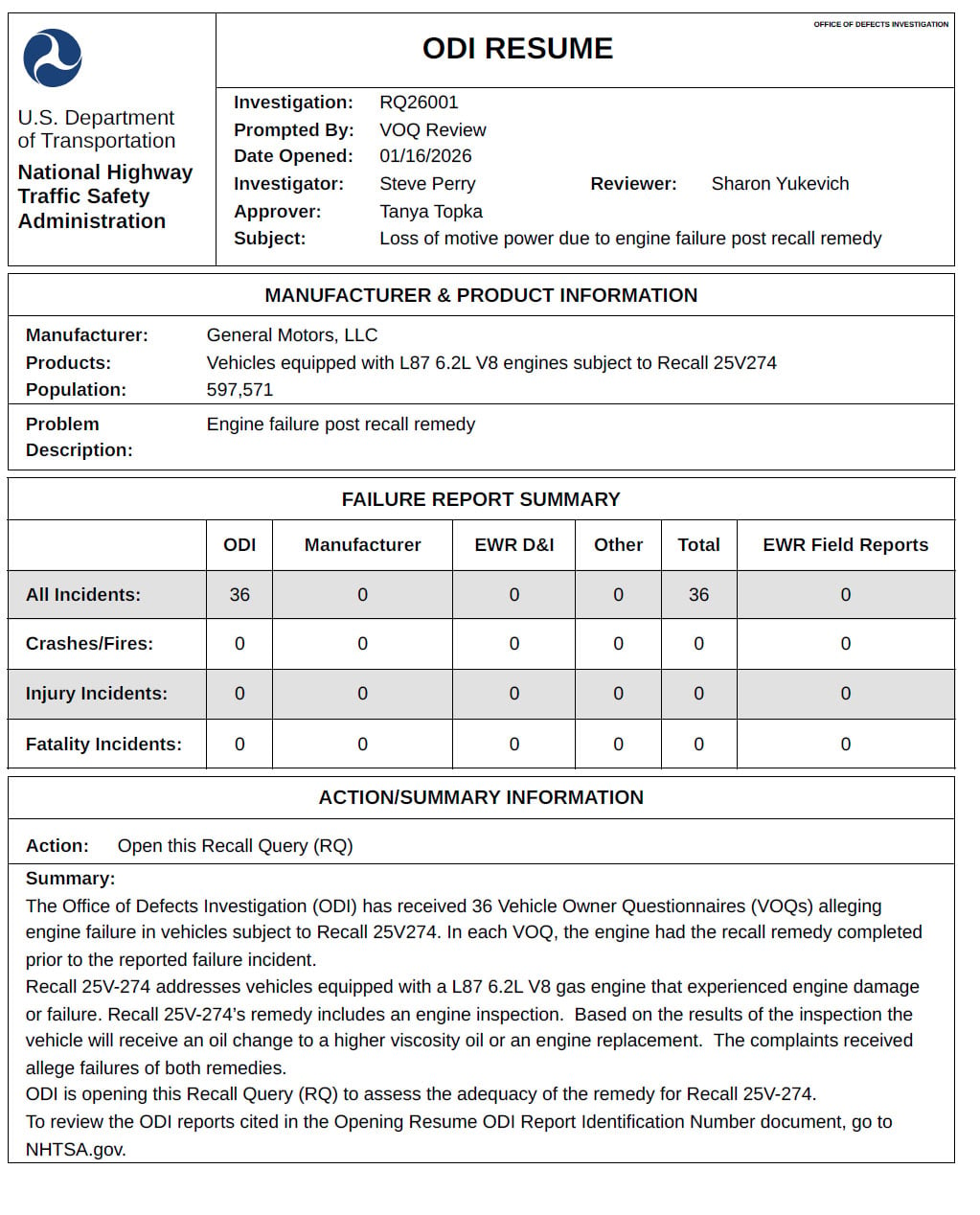
Fast forward to early 2026. The NHTSA’s Office of Defects Investigation has officially opened a Recall Query (RQ26001). The reason? They are investigating the “loss of motive power due to engine failure post recall remedy”.
According to the government’s official resume document opened on January 16, 2026 , the NHTSA has received 36 Vehicle Owner Questionnaires (VOQs) reporting engine failures. The most alarming detail is that in every single one of these 36 complaints, the engine had the official recall fix completed before the engine failed.
Even worse, the complaints indicate that both versions of the remedy are failing. This means owners who received the preventative 0W-40 oil change, and owners who received a complete engine replacement, are both allegedly still experiencing catastrophic engine failures.
Because of this, the government is now actively assessing if GM’s original remedy for Recall 25V-274 was adequate. This new investigation impacts an estimated population of 597,571 vehicles.
What Should 6.2L Owners Do Now?
If you own an affected vehicle, this news is undoubtedly frustrating. At this stage, the NHTSA is just investigating; no new Recalls have been issued yet.
However, you need to stay extremely vigilant. Pay close attention to how your truck is running, check your oil levels frequently, and report any strange noises, check engine lights, or power loss to your dealer immediately. Most importantly, keep meticulous records of all your service visits.
Join the Conversation
You aren’t alone in this. Our community is actively tracking these failures, and we want to hear from you. Have you had the recall done on your 6.2L V8? Have you experienced any issues since your dealer visit?
Check out these specific sections on the GM-Trucks.com Forums to share your experience and get advice from other owners:
We will continue to track this NHTSA investigation closely and provide updates on any next steps from General Motors.

Zane Merva is the Executive Editor of GM-Trucks.com and the President of the New England Motor Press Association (NEMPA). A veteran automotive journalist with over 26 years of experience, Zane is a designated ‘Car Talk’ Expert and has been a contributor to The Boston Globe. He possesses a unique evaluative perspective, having road-tested more than 2,000 vehicles across every major manufacturer. While he is a recognized authority on General Motors truck platforms—including the Silverado, Sierra, and Colorado—his expertise is grounded in decades of deep competitive analysis that few in the industry can match. His commentary has been featured by major OEMs and media outlets, including Hyundai and PR Newswire