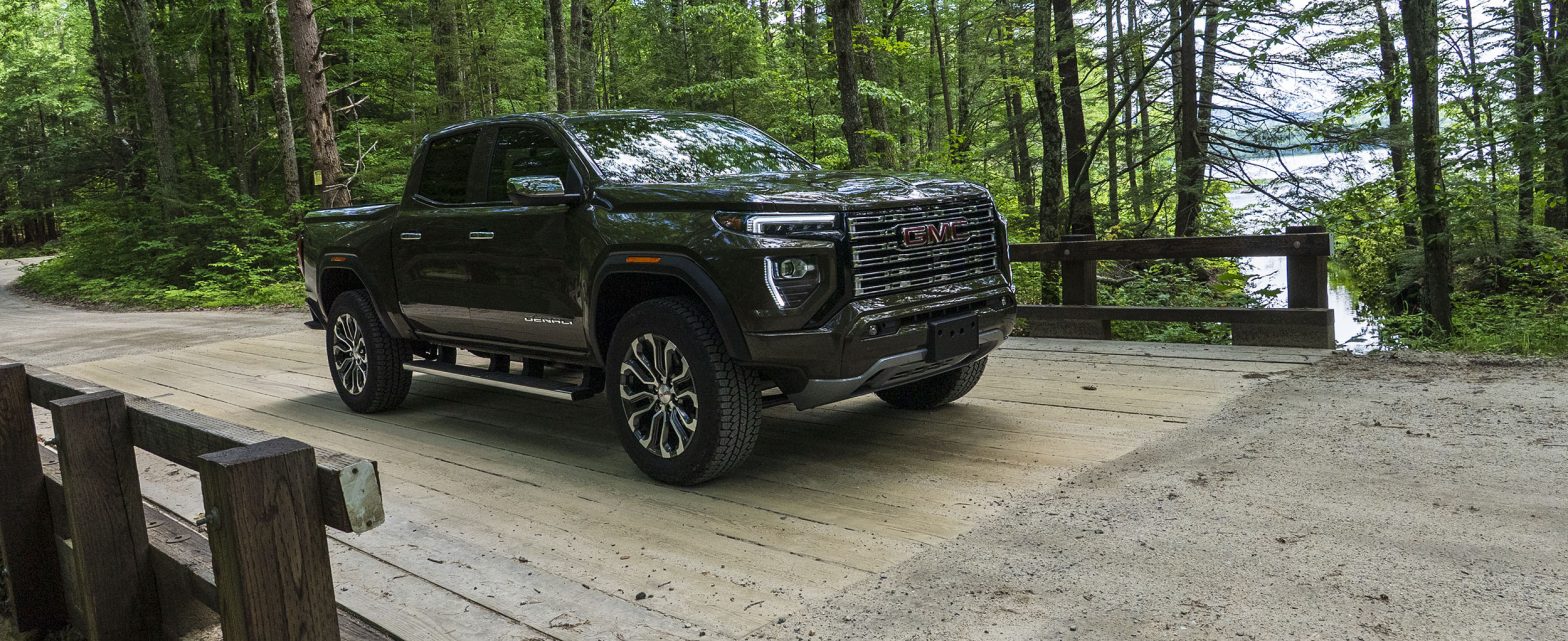
If you own a 2023–2026 Chevrolet Colorado or GMC Canyon and you’re hearing a squeal or ticking noise from the front end while driving, but not when braking, you’re not imagining things.
Some owners are reporting front brake noise during normal driving along with uneven front pad wear. GM has addressed this issue internally, and the root cause is more specific than you might expect.
Here’s what’s happening, why it happens, and what you should check.
Across forums and service visits, complaints tend to follow the same pattern:
Squealing, ticking, or light scraping noise from the front brakes
Noise occurs while driving or coasting, not while pressing the brake pedal
Sound sometimes disappears when braking is applied
Uneven front brake pad wear on the same caliper
One pad significantly thinner than the other
Some drivers initially assume it is rotor warp, pad material quality, or a sticking caliper. In many cases, it turns out to be something much simpler.
The Actual Cause
According to GM technical guidance, the issue is typically related to brake hardware installation on the front calipers.
Two specific components are involved:
The front brake caliper spring
The front disc brake pad retainer spring
If the caliper spring is missing or the retainer spring is installed incorrectly, the brake pads can shift slightly inside the caliper bracket.
That small amount of movement is enough to:
Create noise while the rotor is spinning
Allow uneven contact pressure
Accelerate wear on one pad
The pads themselves are not defective. The rotors are not necessarily damaged. The problem is pad retention and alignment inside the caliper.
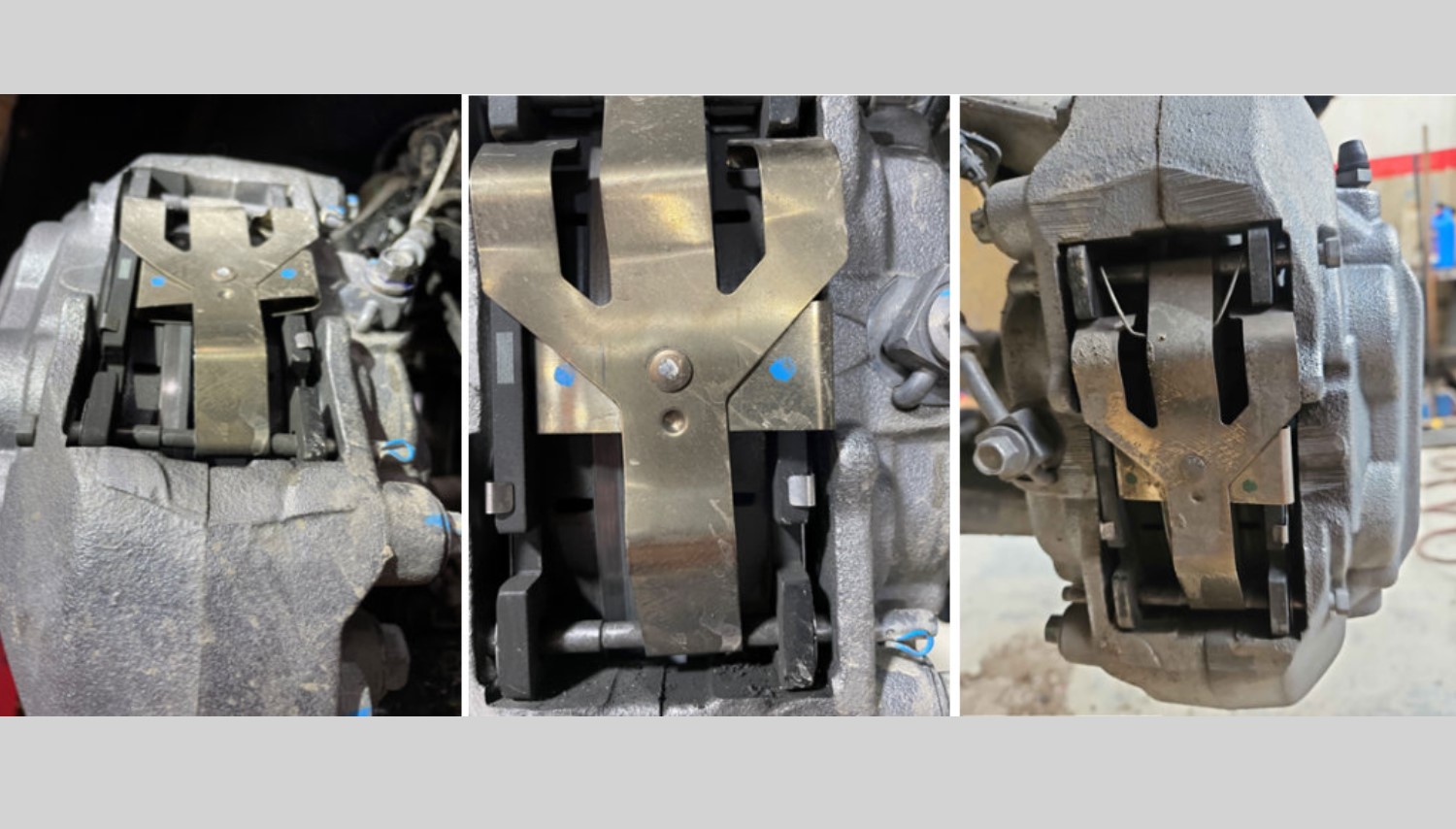
GM identifies that a missing caliper spring or incorrectly positioned brake pad retainer can cause front brake noise and uneven pad wear on certain 2023–2026 Colorado and Canyon trucks. Image: GM-Techlink.com
Why It Creates Noise Without Braking
When everything is installed correctly, those springs keep the pads snug and centered.
If one spring is missing or not seated properly, the pad can move or vibrate slightly as the rotor turns. That creates a squeal or tick during rotation.
When you press the brake pedal, hydraulic pressure clamps the pads firmly against the rotor. That pressure stabilizes the pad, which is why the noise often disappears while braking.
That pattern is a strong diagnostic clue.
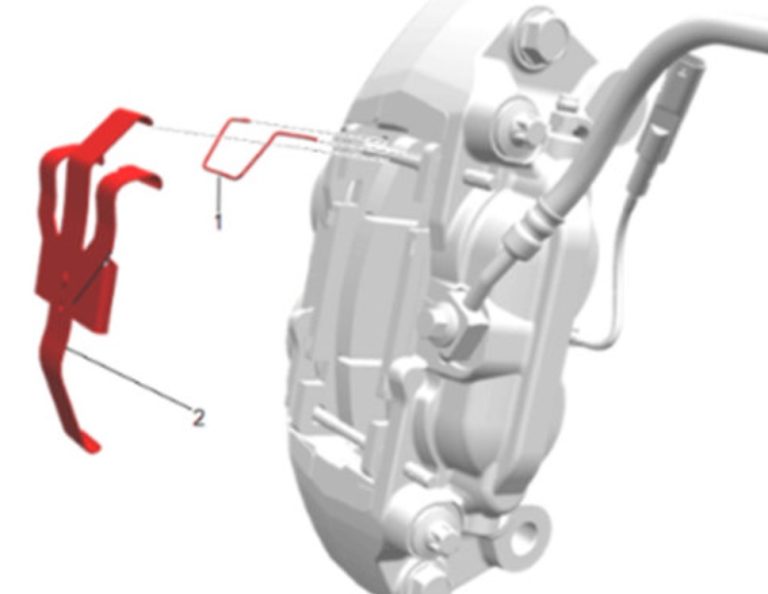
Technical diagram illustrating the front brake caliper spring and pad retainer components that may cause noise or uneven pad wear if improperly installed on certain 2023–2026 Colorado and Canyon models. Image: GM-Techlink.com
How to Diagnose It
If you are comfortable inspecting brakes, here’s what to look for:
Safely lift the vehicle and remove the front wheel.
Inspect the caliper assembly.
Verify the caliper spring is present.
Confirm the disc brake pad retainer spring is correctly positioned.
If either spring is missing, bent, or improperly seated, that is likely the source of the issue.
If one pad measures under 7 mm and the other shows significantly more material, uneven wear has already started.
If you are not doing the work yourself, bring this information to your service advisor and reference GM Technical Bulletin 25-NA-365.
That immediately points the technician in the right direction.
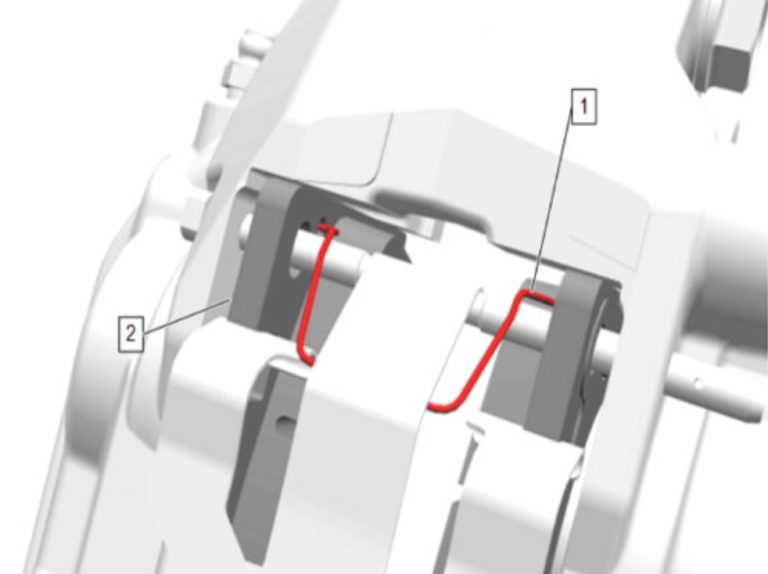
This diagram shows the correct positioning of the front brake pad retainer spring inside the caliper assembly. Improper placement can lead to brake noise and uneven pad wear on certain 2023–2026 Colorado and Canyon trucks. Image credit: GM-Techlink.com
The Fix
The repair is straightforward:
Install a missing caliper spring
Correctly seat the disc brake pad retainer spring
Replace worn brake pads if necessary
During installation, the retainer spring must be positioned properly. GM specifies starting with the three-tab side first and ensuring it locks into its designated slots on the caliper and pad.
If pads are already worn unevenly, replacing them prevents continued imbalance and restores even braking force.
Once corrected, owners report the noise goes away and wear patterns normalize.
Is This a Safety Issue?
In most cases, this is not a catastrophic brake failure situation.
Braking performance remains functional, but uneven pad wear can:
Shorten pad life
Cause premature replacement
Create persistent noise
Lead to uneven braking feel over time
It is best addressed early before excessive wear develops.
What Owners Should Do Now
If you drive a 2023–2026 Colorado or Canyon and notice:
Front brake noise during driving
Noise that disappears while braking
Uneven front pad wear
Schedule an inspection.
When speaking to your dealer or independent shop, mention:
Front caliper spring and brake pad retainer spring inspection per GM bulletin 25-NA-365.
That shows you are informed and helps avoid unnecessary parts replacement.
Why This Matters
Brake noise complaints often get misdiagnosed as pad compound problems or rotor defects. In this case, the issue is mechanical hardware alignment.
That distinction matters. It prevents unnecessary rotor resurfacing, unnecessary pad swaps, and wasted time chasing the wrong solution.
If you are experiencing this on your truck, you are not alone. The fix is straightforward once properly identified.
Zane Merva is the Executive Editor of GM-Trucks.com and the President of the New England Motor Press Association (NEMPA). A veteran automotive journalist with over 26 years of experience, Zane is a designated ‘Car Talk’ Expert and has been a contributor to The Boston Globe. He possesses a unique evaluative perspective, having road-tested more than 2,000 vehicles across every major manufacturer. While he is a recognized authority on General Motors truck platforms—including the Silverado, Sierra, and Colorado—his expertise is grounded in decades of deep competitive analysis that few in the industry can match. His commentary has been featured by major OEMs and media outlets, including Hyundai and PR Newswire