
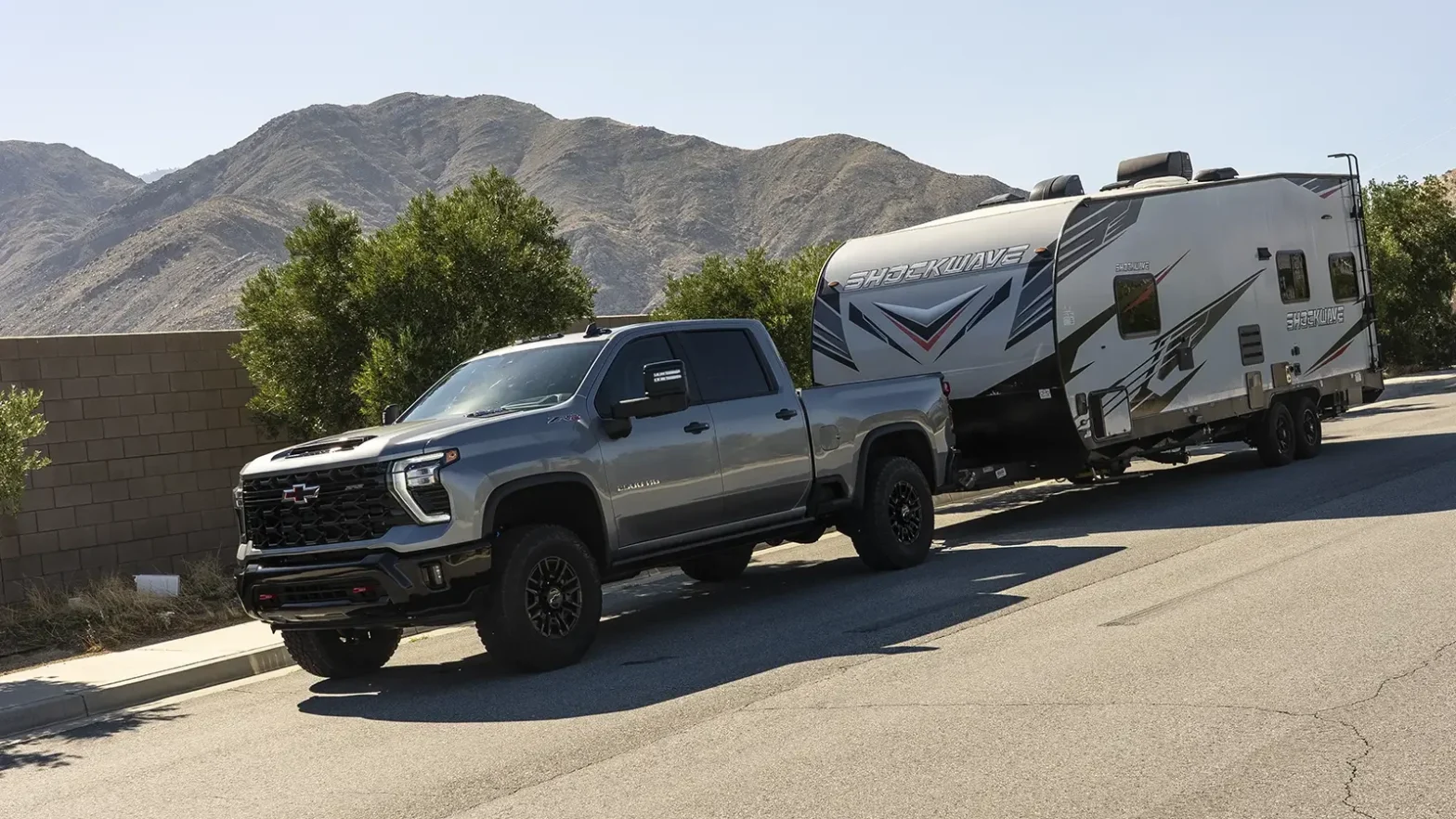
If you tow with a Chevrolet Silverado HD or GMC Sierra HD, the Trailer Tire Pressure Monitor (TPM) system is one of those features you don’t think about until it saves your bacon on the highway. It’s quietly watching every tire on your trailer, and when it works right, it can be the difference between catching a slow leak in a gas station parking lot and dealing with a shredded tire at 70 mph somewhere in the middle of nowhere.
Why Your Trailer TPM System Actually Matters
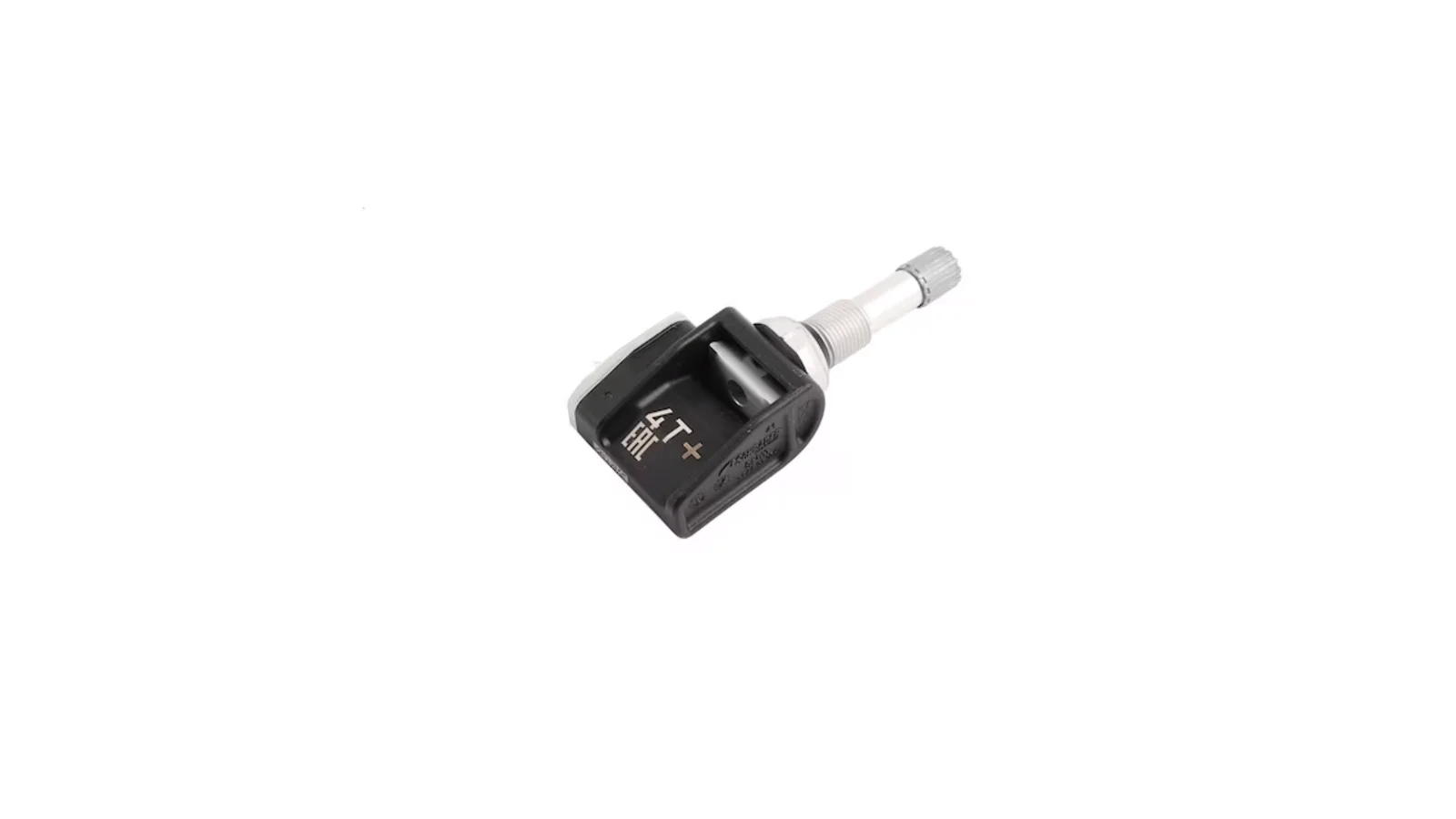
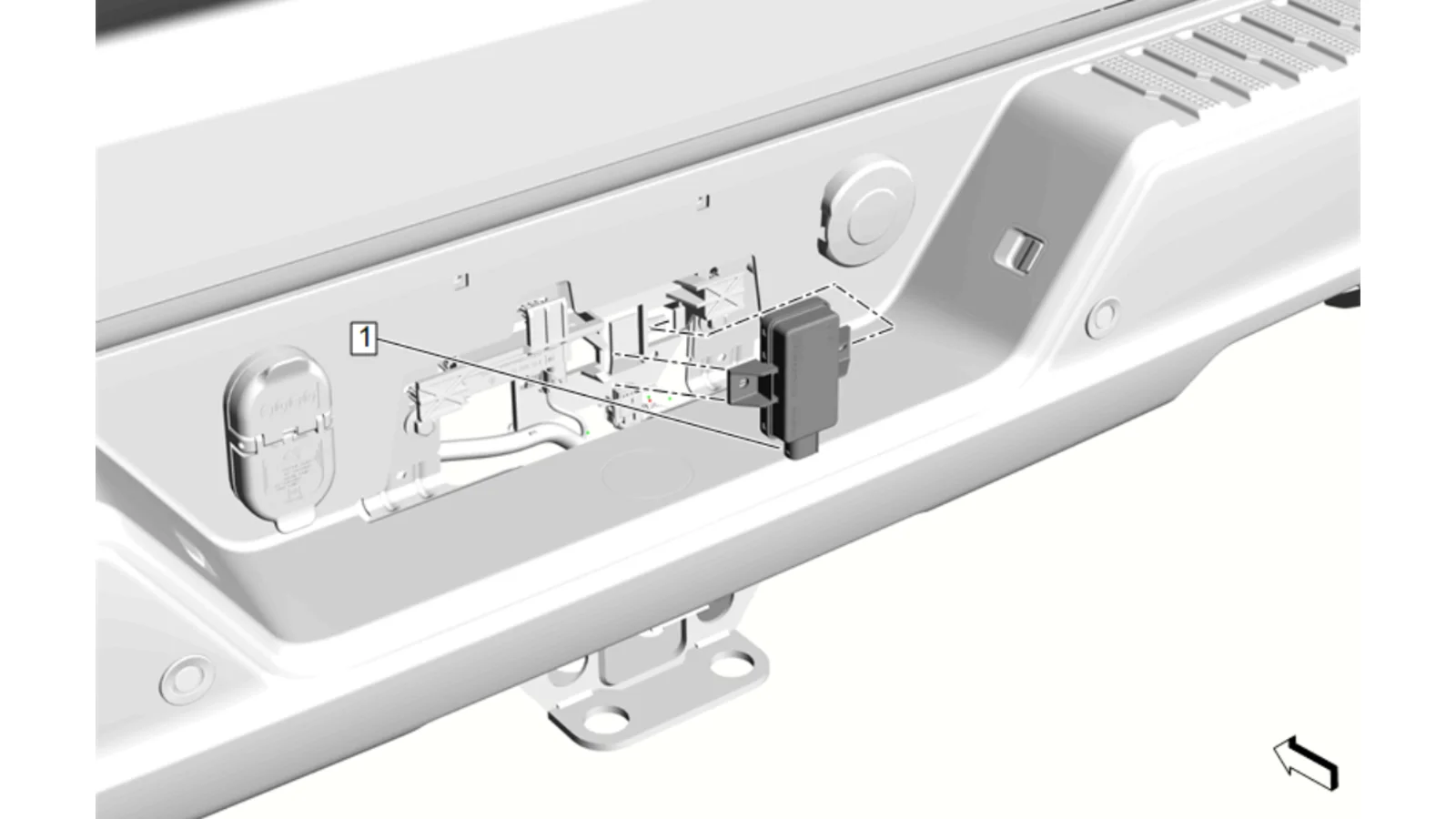
The Trailer TPM system pairs a pressure sensor at each trailer wheel with a module on the truck, feeding live data straight into the trailering app on your infotainment screen. Once a trailer profile is set up, you get real-time pressure readings for every tire back there, not just a dash warning light after something has already gone wrong.
- Per-tire pressure readouts for every wheel position on the trailer, viewable on the move.
- Early warning on slow leaks long before a tire gets hot enough to fail.
- Saved trailer profiles so the truck remembers sensor positions for trailers you tow regularly.
- Peace of mind on long hauls, whether you’re pulling a fifth wheel to a campsite or hauling equipment for work.
That’s exactly why it’s frustrating when the system doesn’t cooperate, and General Motors has identified a real cause on certain Silverado HD and Sierra HD trucks.
The Problem: Sensors Won’t Learn, or Readings Keep Dropping Out
On some 2024 to 2026 Chevrolet Silverado 2500HD and 3500HD and GMC Sierra 2500HD and 3500HD trucks, the Trailer TPM sensors may refuse to learn to the truck at all. On others, the sensors learn fine but the pressure readings show up inconsistently in the trailering app, flickering in and out instead of holding a steady signal.
It’s not a sensor failure in most cases. GM has traced the issue to something owners would never suspect: the tail lamps.
What’s Behind It: Animated Tail Lamp Interference
Trucks equipped with the newer animated tail lamps can generate radio frequency interference that steps on the Trailer TPM system’s signal. The tail lamp sequencing lives close enough to the truck’s rear electronics that it can drown out the low-power radio signal each trailer sensor is trying to send.
It’s a classic case of two systems that were never meant to interact with each other doing exactly that. The fix, as it turns out, isn’t in the trailer or its wheels. It’s in the truck’s own lighting.
Other Factors That Can Throw Off Trailer TPM Performance
Before jumping to interference as the culprit, it’s worth knowing that several other variables affect how well a Trailer TPM sensor talks to the truck. Tire construction, wheel material, and simple distance all play a role.
| Factor | Effect on Trailer TPM Signal |
|---|---|
| Heavy-duty tire construction | Multiple sidewall plies act like an insulator and can block the sensor signal |
| Wheel design and material | Heavy-duty wheels, such as forged aluminum, reduce sensor transmitting performance |
| Distance from hitch receiver | Sensors transmit up to 23 feet (7 meters) from the hitch receiver; longer trailers push that limit |
Any one of these can weaken a signal enough to cause dropouts, so a technician chasing a Trailer TPM complaint has to rule all of them out first.
Before Replacing a Sensor: Relearn Everything First
Before condemning a sensor as defective, the full learn procedure needs to run for every sensor on the trailer. That confirms the diagnostic trouble code was actually set for the correct wheel position, since trailer wheels sometimes get swapped around without anyone relearning the new positions to the truck.
Tip: Trailer tire pressure sensors can only be learned for the trailer profile that’s currently selected. When setup finishes correctly, you’ll hear a double horn chirp and the turn signals will flash twice. No double chirp? Check that every tire pressure sensor parameter reads YES before moving on.
The Permanent Fix: New Tail Lamps and Module Reprogramming
If the interference is still causing problems after all the usual checks come back clean, the next step is confirming the truck actually has the animated tail lamps. If it does, GM’s fix is to replace the tail lamps with the parts covered under Bulletin #26-NA-143. Worth noting: the animation pattern on the new LED-style tail lamps looks different from the original units, so don’t be surprised by the change.
This isn’t a simple parts swap, either. Installing the new tail lamps requires reprogramming both the Body Control Module (BCM) and the K219 Lighting Control Module (ELM) for everything to work correctly. Dealers need to contact the Techline Customer Support Center for the correct BCM and ELM calibrations, and should follow the appropriate Service Information for the full procedure. Bulletin #26-NA-143 has the complete parts information for anyone tracking this down.
Dealt with flaky Trailer TPM readings on your own Silverado HD or Sierra HD? Head over to the 2020-2026 Silverado HD & Sierra HD forum and compare notes with other owners towing the same trucks.

Zane Merva is the Executive Editor of GM-Trucks.com and the President of the New England Motor Press Association (NEMPA). A veteran automotive journalist with over 26 years of experience, Zane is a designated ‘Car Talk’ Expert and has been a contributor to The Boston Globe. He possesses a unique evaluative perspective, having road-tested more than 2,000 vehicles across every major manufacturer. While he is a recognized authority on General Motors truck platforms—including the Silverado, Sierra, and Colorado—his expertise is grounded in decades of deep competitive analysis that few in the industry can match. His commentary has been featured by major OEMs and media outlets, including Hyundai and PR Newswire