

We just wrapped up a week testing the new Chevy Traverse Z71. Let me be clear right out of the gate: the last-generation Traverse was perfectly fine in the winter. It was a solid, reliable family hauler that got you through the snow without much drama.
But Chevy decided “fine” wasn’t quite enough this time around, giving the Traverse a much more aggressive treatment with the new Z71 trim. If you’re dropping your hard-earned money on a new family hauler, you need a tool that works 365 days a year. From late-season blizzards to the dreaded spring thaw, here is the honest truth on how the Traverse Z71 actually handles the rough stuff out in the real world.
Own a new Traverse or thinking about buying one? Don’t just take our word for it. See what actual owners are reporting about the new 2.5L Turbo’s fuel economy and Z71’s off-road capability in the GM-Trucks.com Traverse Owners Forum.

1. The Mud Season Ultimate Weapon: Twin-Clutch AWD
Living on a dirt road in New Hampshire means dealing with “mud season”—that brutal six-week purgatory between rock-hard frozen ground and firm, dry summer roads. Out here, deep ruts are king. Taking the wrong line in a standard slip-and-grip crossover usually means white-knuckling the steering wheel or calling a buddy with a tow strap.
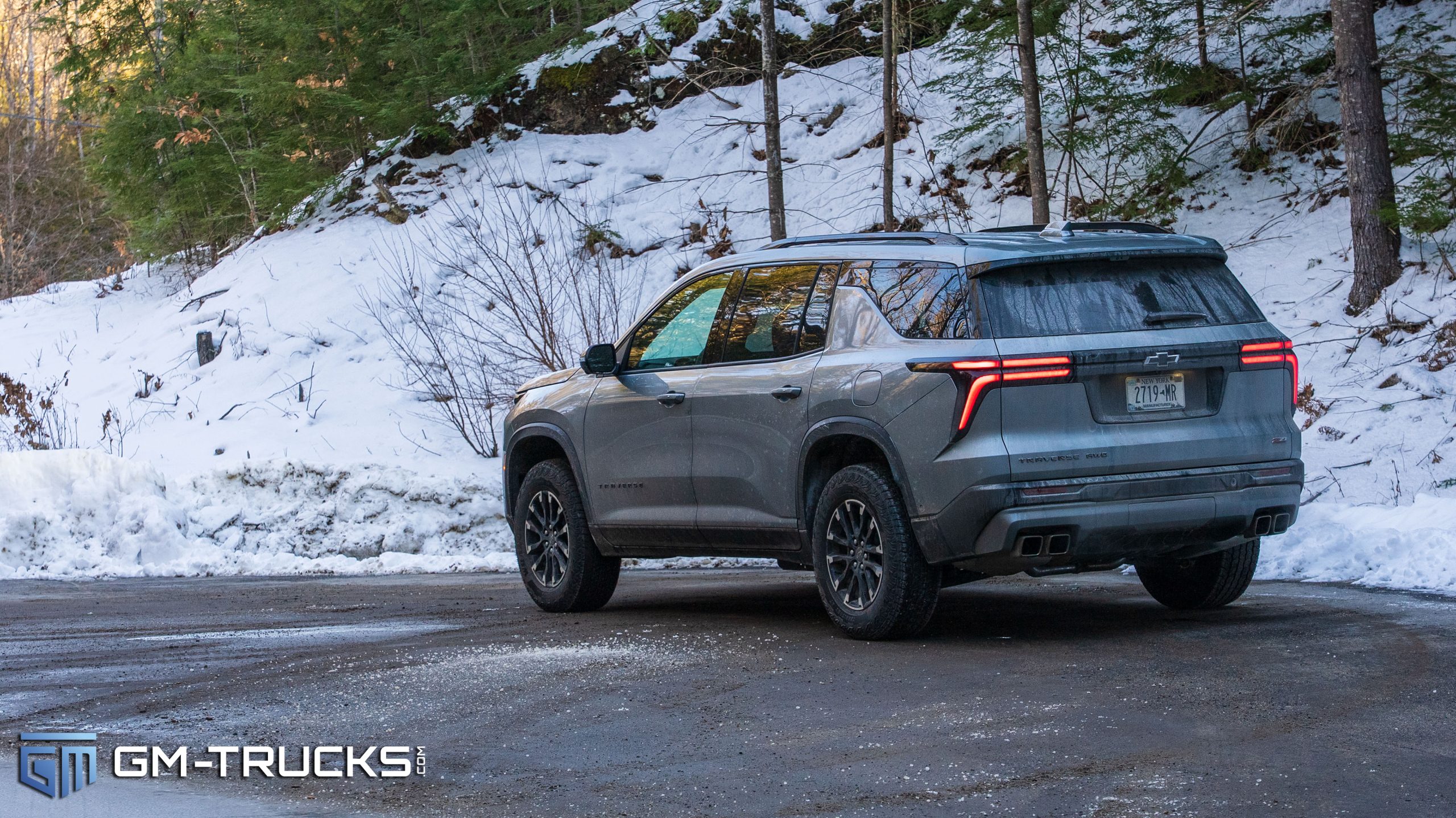
Taking the Z71 down my heavily rutted road proved this trim isn’t just an appearance package. You can actually feel the advanced twin-clutch AWD system working underneath you, actively shunting power to the rear wheels that actually have grip. It is incredibly predictable in deep slop. Paired with the off-road drive modes, it gives you genuine, confident traction right when the town roads turn to soup.
2. Factory Clearance and Real All-Terrain Tires
Nobody wants to buy a brand-new SUV and immediately have to drop another thousand bucks at the tire shop just to survive the winter. Chevy gave the Z71 the right combination right off the factory floor: a slight lift for extra ground clearance (sitting at roughly 7.8 inches) and a set of 18-inch wheels wrapped in aggressive Goodyear Wrangler Territory all-terrain tires.
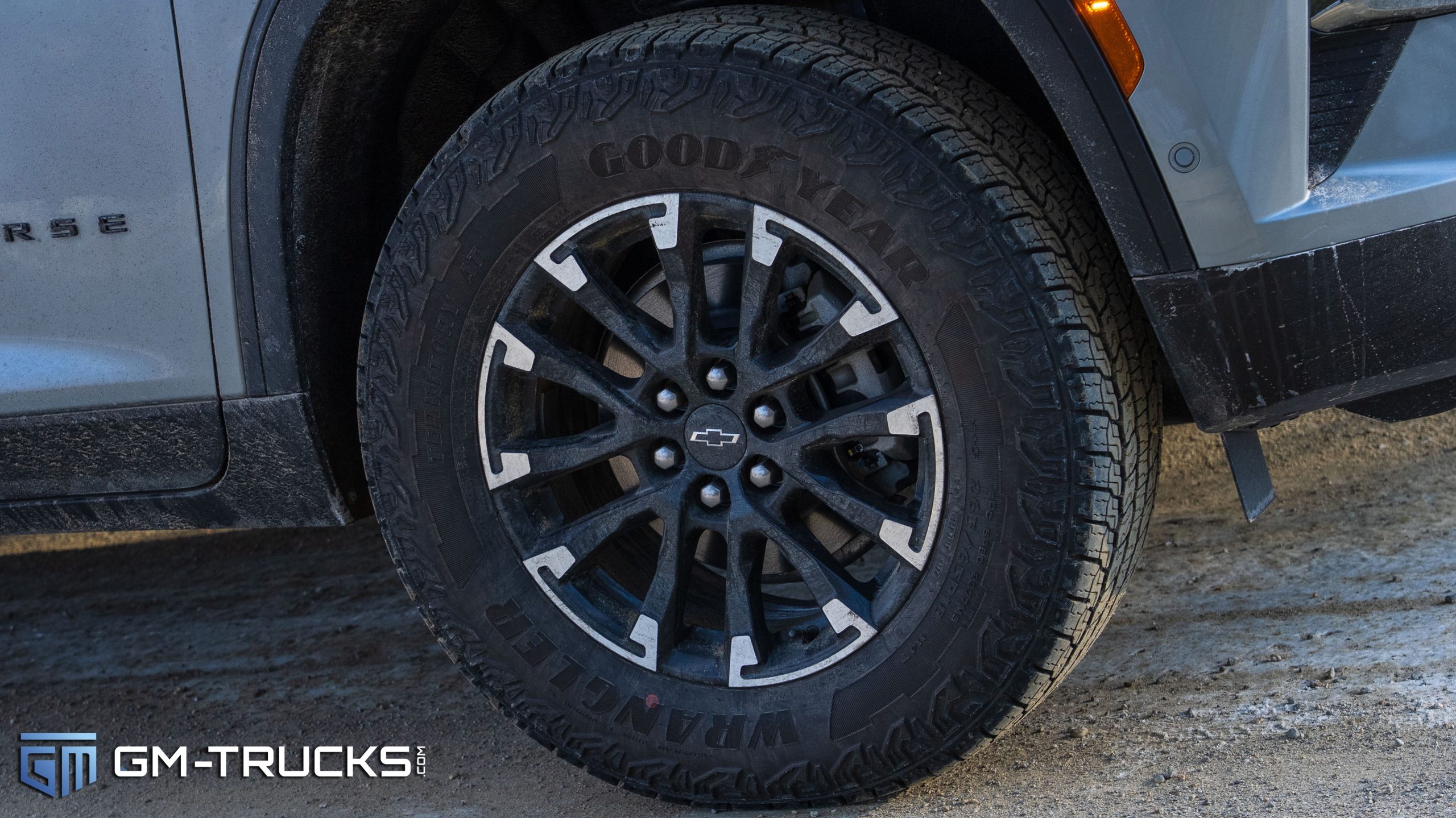
That specific combination meant I didn’t have to worry about clearing the heavy berm of snow the town plow left at the end of my driveway, and the rubber had plenty of bite for those early morning trips up to Crotched Mountain. It’s ready for the messy stuff on day one.
3. The AutoSense Liftgate (The Honest Truth)
Let’s be real: hands-free liftgates rarely work as flawlessly in real life as they do in slick TV commercials. But after a week of living with the Traverse’s AutoSense liftgate, I’ll admit it’s actually pretty nifty when you genuinely need it.
When I was walking up to the back bumper and my arms were completely full of my son JJ’s ski gear and boots, it was a lifesaver. You don’t have to put your stuff down in the slush or fumble with freezing fingers to kick under the bumper. You just stand near the back, the truck senses the fob in your pocket, beeps, and the tailgate pops open. It takes a second to register, but it beats dropping your gear in a freezing puddle.
4. “Freeze-Proof” Tech and a Physical Keyfob
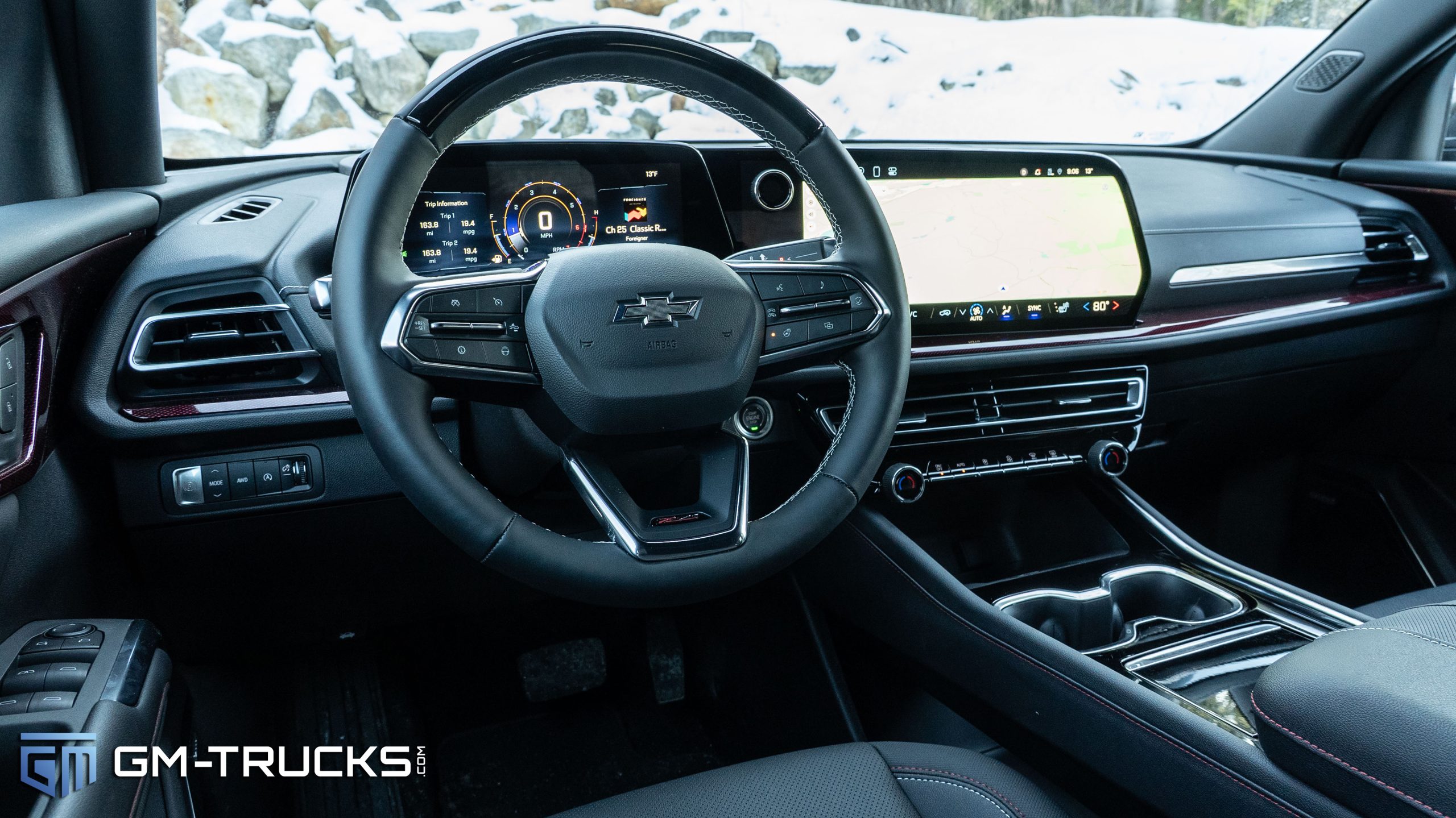
When it’s 10 degrees outside and my wife is rushing to get out the door for an early morning commute to school, a reliable remote start isn’t a luxury—it’s a necessity.
A lot of automakers are moving backward here, forcing you to open a buggy, slow smartphone app just to start your vehicle. Chevy kept it simple and perfect: they left the remote start button right on the physical keyfob. If the truck is right in your driveway, you just hit the button from the kitchen window and let the heated seats and steering wheel warm up. If you’re parked a half-mile away, you still have the option to use the app. Giving owners the choice without forcing the tech on them is a massive win.
5. The 2.5L Turbo (A Good Replacement, But No Miracle)
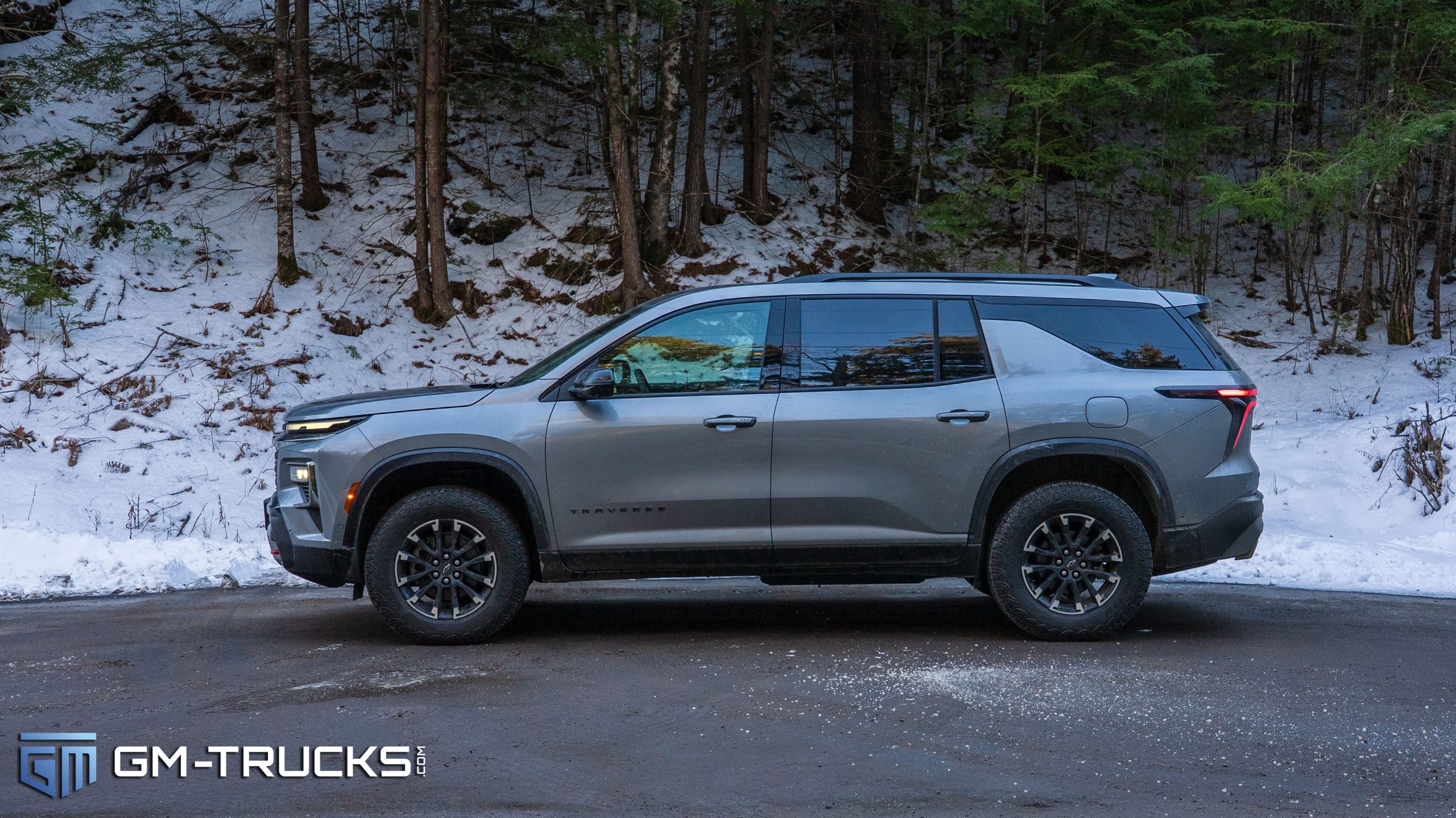
Let’s talk about the elephant in the room: ditching the reliable 3.6L V6 for a new 2.5L turbocharged four-cylinder. We have that classic V6 in our Enclave Avenir right now, so I was paying close attention to how this new setup felt.
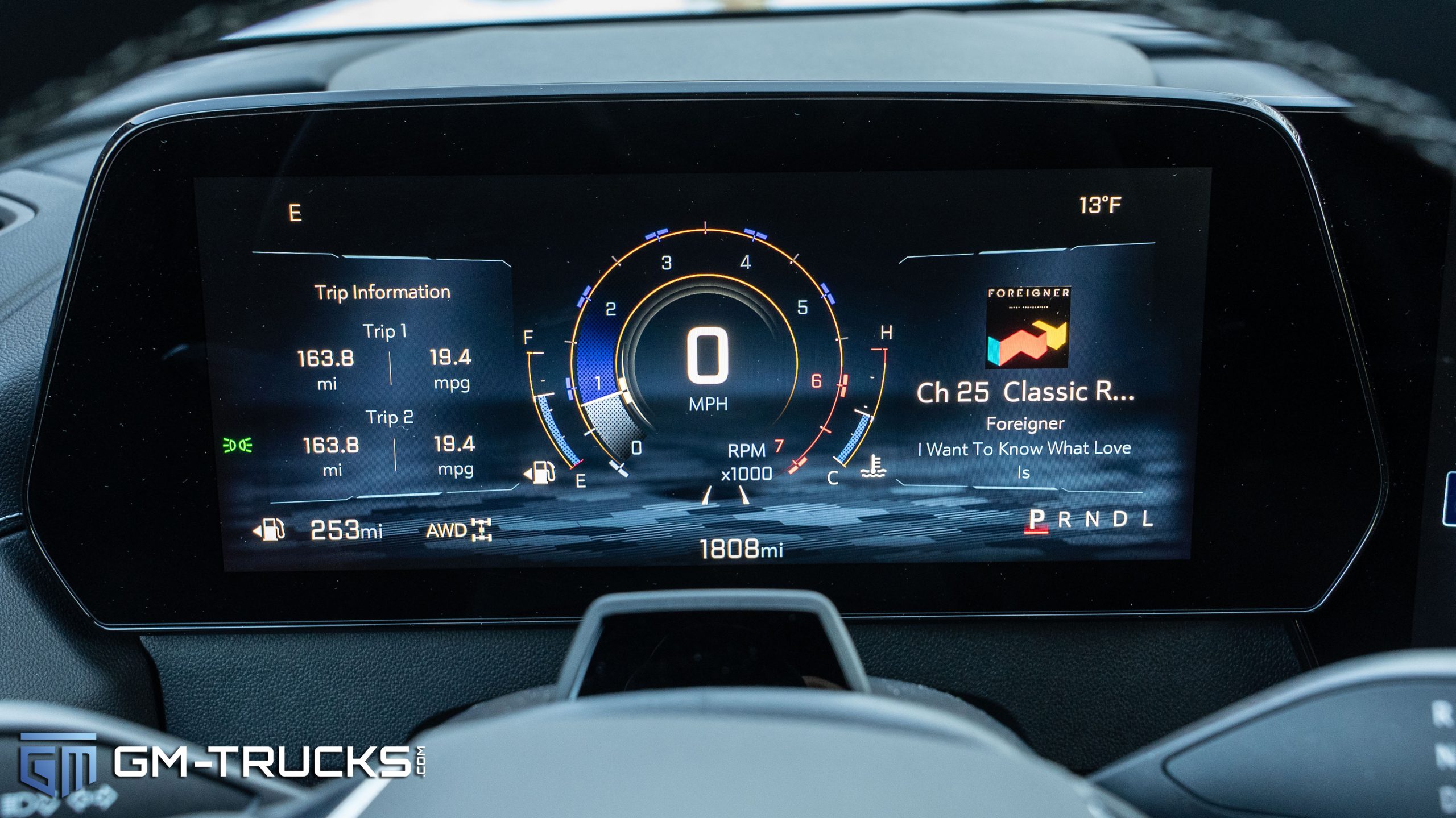
The honest truth? It’s a great replacement, but it’s not a night-and-day difference. You definitely miss that immediate, down-low grunt right off the line that the old naturally aspirated V6 provides. However, once that turbo spools up, its 328 horsepower and 326 lb-ft of torque make it noticeably punchier in the higher RPMs. It pushes hard when you need to merge onto the highway and easily handles its 5,000-pound tow rating.
The one real letdown, though, is the fuel economy. You’d hope a smaller four-cylinder would save you some money at the pump, but the MPG is frustratingly similar to the old V6. It’s a solid engine upgrade in terms of passing power, just don’t expect a miracle in fuel savings.
The Conversation Doesn’t Stop Here. > We’ve started a dedicated thread for this review over in the forums. Whether you love the punch of the new 2.5L Turbo or have your own mud season survival stories, we want to hear them. [Join the Discussion in the Traverse Forum Here]

Zane Merva is the Executive Editor of GM-Trucks.com and the President of the New England Motor Press Association (NEMPA). A veteran automotive journalist with over 26 years of experience, Zane is a designated ‘Car Talk’ Expert and has been a contributor to The Boston Globe. He possesses a unique evaluative perspective, having road-tested more than 2,000 vehicles across every major manufacturer. While he is a recognized authority on General Motors truck platforms—including the Silverado, Sierra, and Colorado—his expertise is grounded in decades of deep competitive analysis that few in the industry can match. His commentary has been featured by major OEMs and media outlets, including Hyundai and PR Newswire