
Leaderboard




Popular Content
Showing content with the highest reputation on 12/22/2024 in all areas
-
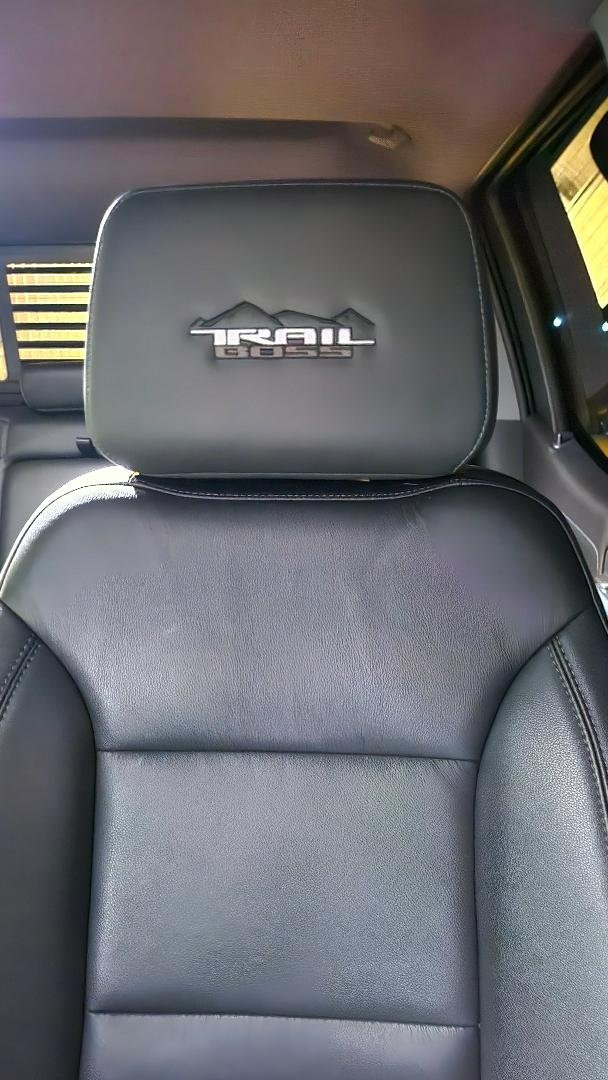
I love the way they turned out. Really is a nice upgrade and matches the truck.
 2 points
 -
Possibly so, twist back and forth a bit while pushing the boot on. I had it happen and I did not notice till I saw a few boots were furthure back on the plug then others.1 point
-
Same thing with my new to me 2014 Sierra, I just pulled the rest of it off and can't even tell1 point
-
Change what? The oil or the truck?1 point
-
Back when I was still drinking, It used to be Christmas tradition for my family to go to the pub, come home after a few hours and deck the halls. I'm surprised the Halls continued living next door to us for as long as they did.1 point
-
You could do it that way (same amount out, same amount in) but transmissions are very sensitive to fluid level for their operation so I would 100% check the level. The fill port is where the dipstick would be if it had one. Right hand side of the case, has a plug that you pull out. Fill Tube Plug Method Based on accessibility, transmission fluid may be added through the fluid fill tube plug assembly (1) hole or through the oil level check plug (2) hole in the bottom of the transmission fluid pan. Clean around the fluid fill tube plug (1). Unlock the fill tube plug by lifting the plunger. Once the plunger is lifted, remove the entire plug assembly (1). Determine the approximate amount of fluid needed to fill the transmission, based on the repair performed. Refer to Approximate Fluid Capacities. To avoid an under-fill condition, slightly overfill the transmission, and then allow the extra fluid to drain out through the oil level check plug during the transmission fluid level and condition check procedure. Using a pneumatic air fluid dispenser pump tool or a suitable hand pump, add transmission fluid through the fill tube plug opening. Check the fluid level. Refer to Transmission Fluid Level and Condition Check. Level check instructions. You do have the thermostat so follow the note in red below to properly set the fluid level: If vehicle is equipped with a thermal bypass valve, the transmission fluid level should be checked only after the TFT has reached or exceeded an operating temperature of 90°C (194°F). Once the TFT has reached or exceeded 90°C (194°F), then turn OFF the vehicle and allow the TFT to cool back down to 35–45°C (95–113°F) before checking the fluid level as required. Reaching or exceeding an operating temperature of 90°C (194°F) opens the bypass valve and allows the cooler to fill up with fluid, which will result in a more accurate fluid level check. Caution: THE ENGINE MUST BE RUNNING when the trans oil level check plug is removed or excessive fluid loss will occur, resulting in an under-filled condition. An under-filled transmission will cause premature component wear or damage. Note: Continue to monitor the TFT. If the TFT is not within the specified values, reinstall the trans oil level check plug and repeat the previous steps. Caution: Refer to Fastener Caution. Observe the TFT using the driver information center (DIC) or a scan tool. Start and idle the engine. Depress the brake pedal and move the shift lever through each gear range. Pause for at least 3 seconds in each range. Move the shift lever back to PARK. Ensure the engine RPM is low (500–800 RPM). Allow the engine to idle for at least 1 minute. Raise the vehicle on a hoist. The vehicle must be level, with the engine running and the shift lever in the PARK range. Remove the transmission oil level check plug (1) from the transmission fluid pan. Allow any fluid to drain. If the fluid is flowing as a steady stream, wait until the fluid begins to drip. If no fluid comes out, add fluid until fluid drips out. Refer to Transmission Fluid Fill Procedure. Inspect the fluid color. The fluid should be red or dark brown. If the fluid color is very dark or black and has a burnt odor, inspect the fluid and inside of the bottom pan for excessive metal particles or other debris. A small amount of “friction” material in the bottom pan is a “normal” condition. If large pieces and/or metal particles are noted in the fluid or bottom pan, flush the oil cooler and cooler lines and overhaul the transmission. If there are no signs of transmission internal damage noted, replace the fluid filter assembly, repair the oil cooler, and flush the cooler lines. Fluid that is cloudy or milky or appears to be contaminated with water indicates engine coolant or water contamination. Refer to Engine Coolant/Water in Transmission. Reinstall the transmission oil level check plug and tighten to 9 Y (80 lb in). Inspect for external leaks. Refer to Fluid Leak Diagnosis.1 point
-
I tow in the West a fair bit. If I know I'm going to be above 5000 feet for an entire tank, I'll run 85 or 86 Octane, then put in 88 or 89 in the next tank when I know I'm going down hill. Never an issue doing so even towing heavy in the hills.1 point
-
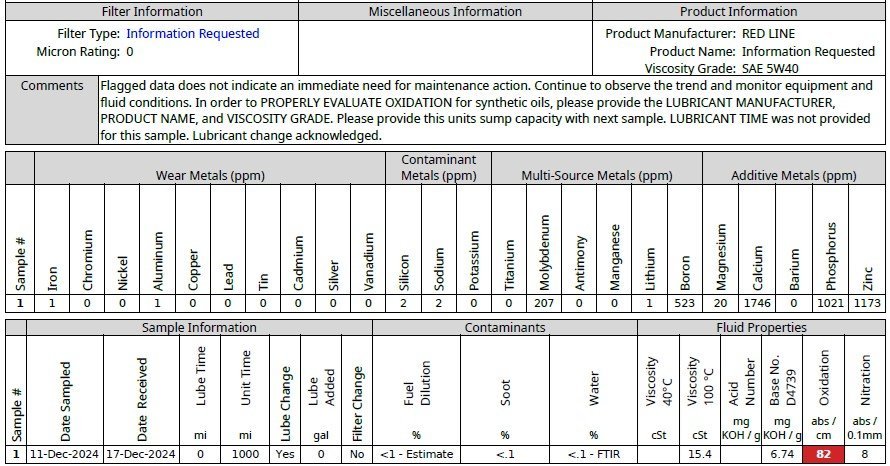
VOA Red Line Euro 5W40 from new plant. Tis the stuff Raven is on. I bought two cases from the same lot. About 8 oil changes. This is the touchstone. Major data is very close to the PDS from Phillips. Yea, still a good dose of POE in it. Initial OCI's are targeted for 3,750 miles or Mitsubishi's severe schedule.
1 point





.thumb.JPG.2c573de60d3a3a4407c7d92298db46dd.JPG)
This leaderboard is set to New York/GMT-04:00