
Leaderboard
.thumb.JPG.2c573de60d3a3a4407c7d92298db46dd.JPG)



Popular Content
Showing content with the highest reputation since 07/13/2026 in all areas
-
6 points
-
That much weight is over double the empty truck. Sure the truck can handle it well, comfortably even, but it significantly increases braking distances regardless of trailer brakes and slows acceleration and adds significant surface area to a wind. "Not noticing it" is a huge exaggeration. I'm sure you feel it every time you stop, change lanes, accelerate or hit a bump.5 points
-
5 points
-
Lauren Fix Is AI quietly deciding what you pay at the gas pump? How the algorithm picks drivers' pockets. Every time tensions flare somewhere in the world, gasoline prices seem to jump overnight. Drivers expect it. The news blames geopolitics, oil traders blame uncertainty, and politicians blame each other. But here's the question almost nobody is asking: If computers can raise prices within hours, why do they suddenly become so patient when it's time to lower them? Americans have lived with this frustration for decades. The price of crude oil climbs, and gas stations respond almost immediately. Crude oil falls sharply, and suddenly we're told to be patient. Refiners need time. Distributors need time. Retailers need time. Somehow, that urgency only seems to work in one direction. Regulators have already gone after algorithmic pricing in apartment rentals, and they're looking at hotel rooms, airline tickets, and online retail. Now a new California lawsuit and a federal push to investigate gasoline pricing suggest there may be another piece of the story that deserves far more attention. It isn't simply about oil markets anymore. It's about artificial intelligence, algorithms, and whether software designed to maximize profits is quietly changing how fuel prices are set across America. If that sounds like something out of a science fiction movie, think again. Kalibrating the market? Kalibrate is a real pricing platform. The company markets its software as an advanced pricing solution that analyzes competitor prices, wholesale costs, local demand, traffic patterns, and countless other variables before recommending the "optimal" price at the pump. By the company's own marketing, it serves many of America's largest fuel retailers and convenience store chains. Retailers use it because it promises to increase profit margins while staying competitive. There is nothing inherently illegal about any of this. Every major industry now runs on data analytics. The concern begins when pricing software stops simply reacting to the market and starts shaping it. On June 22, three California drivers filed a federal class-action lawsuit in Sacramento — and they didn't just sue the software company. They sued the gas stations. Kalibrate is the lead defendant, but so are Marathon, BP, Circle K, 7-Eleven, Speedway, Walmart, Sam's Club, and Albertsons. According to the complaint, Marathon alone runs more than 1,000 ARCO stations in California and has been letting Kalibrate set prices at them since 2020. Circle K, plaintiffs claim, has more than 400 stations on the software. Albertsons, they allege, has been using it since at least 2009. The complaint alleges that Kalibrate allowed competing retailers to share competitively sensitive information and receive pricing recommendations that discouraged aggressive competition. It describes a "restoration" feature that plaintiffs say lets nearly all the stations in a market raise prices at the same time. It also quotes Kalibrate's marketing, which according to the complaint tells operators that even in the face of "falling oil prices ... it's critical to avoid a race to the bottom," and warns that cutting your price to win customers "could be making a change that triggers a downward spiral." The plaintiffs call the platform the "central nervous system for a conspiracy to extinguish retail price competition among gas stations." Price pumping What does that cost you? Research cited in the complaint found that stations switching to this kind of software raise prices by about 6 cents a gallon on average — and by as much as 30 cents where most of the stations in an area are running it. Plaintiffs point to a real-world example too: They allege that when one California Albertsons turned Kalibrate on, its pump price climbed 3 to 4 cents within days. That sounds small. It isn't. By the complaint's math, a single penny on the statewide average drains $134 million a year from California drivers' wallets. Kalibrate says it disagrees with the allegations, calls its technology lawful, and intends to defend itself. The retail chains have not yet answered the complaint. No court has ruled on any of it. But what happens when thousands of competing businesses begin relying on the same algorithm to determine prices? Price fixing has been illegal in California for more than a century, and the plaintiffs are suing under that old law. What's new is a statute that took effect on January 1 — AB 325, the Preventing Algorithmic Collusion Act — which says plainly that you cannot escape a price-fixing charge by routing the conspiracy through software. Using pricing software is still perfectly legal, but using it to coordinate with your competitors is not. AB 325 makes it unlawful to use or distribute a "common pricing algorithm" — software that uses competitor data to recommend, align, or stabilize prices — as part of an agreement to restrain trade. Whatever you think of Sacramento, it closed that loophole first, and this case is the first real test of it. The A-word Washington is applying pressure of its own — though it is worth being precise about what kind. On July 3, the Department of Justice and the Federal Trade Commission sent every state attorney general a letter urging them to investigate whether antitrust violations or price gouging are keeping gas prices artificially high. "Recent volatility in crude oil prices does not suspend either the antitrust laws or state consumer protection laws," they wrote, "and it does not authorize companies to manipulate retail prices or collude with their competitors." The letter followed President Trump's complaint, posted to Truth Social on June 23, that falling crude prices weren't reaching drivers. But read that letter closely and you'll notice something. It never mentions algorithms. Not once. The federal government is going after gas prices with the same tools it has always used, while the argument about the software is being made by three drivers and their lawyers in a Sacramento courtroom. Nobody in Washington has said the word yet. And whether any of these investigations turns up illegal conduct remains to be seen. Anyone who has driven for more than a few years knows the pattern. Prices spike within days of a geopolitical event, then drift down at a painfully slow pace. Economists even have a name for it: the "rockets and feathers" effect, and they have studied it for decades. Researchers point to several reasons, including inventory replacement costs, consumer behavior, and local competition. None of those explanations necessarily involve illegal activity. Dirty work But artificial intelligence introduces an entirely new variable. Unlike traditional pricing models, today's software can monitor competitors continuously, process enormous amounts of market data instantly, and recommend price changes faster than any human pricing manager ever could. If dozens or even hundreds of competing retailers rely on similar recommendations generated from comparable market data, the practical result may be less price competition — without anyone ever picking up the phone to coordinate prices. That possibility isn't unique to gasoline. Regulators have already gone after algorithmic pricing in apartment rentals, and they're looking at hotel rooms, airline tickets, and online retail. The Justice Department sued RealPage over the software landlords used to set rents and settled the case last November. The concern in every case is the same: that algorithms may accomplish indirectly what competitors have long been prohibited from doing directly. It's worth being precise about what that settlement did and didn't say. RealPage paid no penalty, and the government made no finding that it broke the law. What the DOJ objected to was the use of nonpublic information from competing landlords — not the software itself. Using an algorithm to price your product isn't illegal. Feeding it your competitors' private numbers is where the trouble starts. That distinction is going to decide the gas station case too. Technology moves faster than regulation. Thin margins This debate also exposes another misconception. When Americans get angry about gas prices, they aim that anger at the oil companies. In reality, what you pay at the pump includes crude oil costs, refining expenses, transportation, taxes, distribution, and retail pricing. Gas stations generally operate on thin per-gallon margins — the National Association of Convenience Stores puts the net at roughly a dime a gallon once credit card fees and operating costs come out — while state taxes and regulatory costs can dramatically affect what you pay locally, particularly in a state like California. If gasoline prices are rising because of global supply disruptions, consumers may not like it, but they can understand it. Markets move. Wars affect energy. Hurricanes interrupt refining. But if pricing software is reducing competition by encouraging retailers to move together instead of competing aggressively for customers, consumers deserve answers. Artificial intelligence is quietly becoming the invisible middleman in countless financial decisions Americans make every day — insurance rates, airline tickets, hotel rooms, online prices, and now what you pay every time you pull up to the pump. Most consumers never know an algorithm was involved; they simply assume that's what the market decided. Algorithms don't care whether you're commuting to work, driving your kids to school, or trying to keep your small business afloat. They don't understand household budgets or family vacations. They optimize. That's what they were built to do. The question was never whether artificial intelligence can set prices more efficiently. It's whether we've quietly allowed machines to redefine what competition means. Because if software can determine the price of something as essential as gasoline today, what will it be deciding tomorrow? https://www.theblaze.com/lifestyle/is-ai-quietly-deciding-what-you-pay-at-the-gas-pump5 points
-
For those interested, the Silverado and Sierra websites gained some new details to them. Biggest one being a visualizer of each truck and all trims and colors, on their respective sites. Still no power announcements. New 2027 Silverado | Pickup Truck | Chevrolet 2027 Next Generation Sierra 1500 | Future Vehicles | GMC Colors that stand out/I question. These could change closer to production as well, so my opinion based on the current state of the visualizer. Chevy - Trillium Green. Love it. Its trim locked to Custom Trail Boss, Trail Boss, ZR2 and High Country. Pacific Blue. Nice. But High Country only at the moment. Red. Only one red is shown, Apex Red (which is a nice color and is on the Trax and Trailblazer right now). GMC - Two reds. Cardinal (Red Hot) and Mesa (Apex). No green. WTF. Again. Its possible these may change some as production nears, and when the order guide launches.4 points
-
Of course refrain from political debate but I myself have very dismal hope for what is all going on up here every where we turn so I nodded my head when I saw this joke.
 4 points
 -
Okiee dokie there bud, way to take things to the extreme. I guess you missed the whole point and take things way to serious. I installed different EV6 style injectors that just so happen to be larger in my car running the same LQ4 engine and with a better spray pattern than the stock style injectors and I noticed no difference in the idle quality. Kinda was my round about way of saying that even if you put the same size but better style injectors in your truck, you will likely see the same thing. I'm sure you're great to have conversations with in person if that's how you act through a keyboard. One little things sets you off and now I guess my dick is all up in your face.4 points
-
2024 2500 gasser with 47,000 miles. Driving on interstate Friday when my truck shudders, downshifts, and I get the above message with check engine light. Transmission would not upshift. I had to drive home 2 hours at 65 mph at 3600 RPM with transmission temps 190-200 degrees. Got it to the dealer Monday. They ran the code and said the #1 valve body was malfunctioning in the transmission. Miraculously, they had the part in stock and I had a new valve body installed that day with new transmission fluid/filter. Thankfully, all under warranty. Shout out to Everett Chevrolet in Hickory, NC.4 points
-
4 points
-
196,585 Mile Service 8/9/2026 4,085 mile OCI 6 quarts Mobil 1 Euro 0W40 FS 1 Purolator PL22500 200K or bust.3 points
-
A homeless man approached me as I was leaving a sandwich shop… He asked me if I had $10 to spare. I felt bad for him, and was just about to give him the money. But then I realized I was holding a $10 foot long I had just bought, so I held up both the cash and the sandwich and told him he could have whichever one he preferred. He stared at the sandwich. Then his eyes shot over to the $10 note. He looked at the sandwich again, then back at the cash. After a moment his eyes were darting back and forth between the two, and he threw up his hands in despair, let out a scream of anguish and then turned and ran away from me. At first I was totally confused, but then it dawned on me: Beggars can’t be choosers.3 points
-
The engine was done as part of the 6.2 recall? You'd have to see if your VIN also has the 6.2 engine special coverage on it. Coverage number is N252494003. If you have this, your engine is covered under this and NOT the GM replacement part engine warranty which is 3yr/100k from the date of install. The 3yr/100k mi warranty is in effect for non warranty purchases. This is not any different if it was replaced under warranty without a recall or special coverage. So if you had a 5.3 and it popped at 3 years in at 50,000mi during the 5yr/60k powertrain, the replacement engine would not get the 3yr/100k, and instead gets the remainder of the 5yr/60k as coverage. So N252494003 gives 10 years or 150,000mi of coverage, which ever comes first, starting at the vehicle in service date. So if your in service date is 01/01/2022, N252494003 gives you special coverage of the engine until 01/01/2032 or 150,000mi, whichever comes first. So if your start date was 01/01/2022, you'd have left 5 years and 4 months (lets round to august 1st), or 62,000mi left of coverage. So you need to know your in service date to know how much coverage is left.3 points
-
3 points
-
Most thermostatically controlled ATF systems use a 'wax' pill just like the one in your water thermostat. They work on the expansion volume of the wax and the pill is constructed in such a way as to limit the travel to remain within that range. This means it has an opening temperature often called the 'cracking temperature' and a fully open temperature. For whatever reason oil is designated by it's fully open temperature and water by it's cracking temperature. Between the two it the "Regulating Temperature" The entire range is about 20 F from closed to open. In your example the lower limit, opening point of 145 F then has a fully open temp of 165 F and a throttling temperature of 155 F. Thing is, the throttling temperature needs two things to work properly. Enough system load high enough to reach the minimum and a heat sink (cooler/exchanger) large enough to prevent any load applied from exceeding the fully open temperature. If your system exceeds the fully open temperature it is screaming MORE COOLER. Here is the silly part of the whole thermostat system where the oil is cooled/heated by the radiator. Nothing is flowing to that system until the oil temperature reaches the cracking temperature unless it is equipped with a minimum flow bypass orifice or a bypass built into the seating surface of the plunger. That system meant to get it up to temp quicker isn't doing a thing until WORK drives if from ambient to cracking temp. One a cold winter day, like zero F, it may never get hotter than about 110 F. Sometimes not even that. People forget or are young enough to not know that until this millennia transmissions were cooled by the radiator cold tank alone and without a thermostat at all. In the 50's they weren't even cooled. OEMs learn everything the hard way. When an OEM tells you the trans "Works best" between 175 F and 220 F it means works best for THEM. The transmission thermostat is fuel play. If you watch you trans temps like I do you will learn that it may take a hundred miles if you are not towing and not driving more than say 55-60 mph on a zero F day to even reach 120 F and it might sit there all day if it's colder. Yet if functions perfectly over about 100 F. It may need to get a bit warmer for the fuel and spark maps to go without an multiplier. Worry more about too hot. Use a cooler large enough to put that thermostat in range.3 points
-
How many years have I pointed out every point in that link to the folks here and been avalanched with criticisms and outright hostilities at times? I ran counter to even the great CUSTOMBOSS and Lake Speed Jr and the half dozen experts on YouTube and in the final.....GM, Physics (Stribeck) backs that Grumpy old Bear. Honestly, I never said a thing engineering hadn't studied silly and laid in concrete during WWII. But I'm old, the information is old and yet, the Laws of Physics are eternal. Okay there is one exception. I vehemently disagree with their use of the word 'tolerances' when what it meant is "clearance". The clearance is the distance between two objects. The tolerance is the degree of acceptable variation permitted in that clearance. I.E., piston to bore clearance is 0.004" with a tolerance of +/- .0002" so the clearance is in specification if it lies between 0.0038" and 0.0042". Cutting that 'tolerance in half has ZERO impact on lubrication requirements. Makes for more difficulty in manufacturing. But a tighter clearance 'MAY'. Depends on finish. Anyway.... It's one of those statements made by people to make themselves look smarter than they are to convince people who are as un-enlighten as they seem to manipulate their behaviors. But hey, the blind leading the blind puts them both in the pit.3 points
-
3 points
-
Next Friday will be my 6 week point from my right knee replacement. The surgeon says it will be fine if I choose to drive after this checkup. I know I could drive now but best to do as my surgeon (and my wife) tell me. Richard compared being 62 to 72. I remember when I was in my early 60's I was experiencing slow but regular decline in my mobility. Thanks to good medical support, i continued to fight the speed and spread of this decline. During my 60's I worked on non-surgical methods and just when I turned 70, my orthopedic surgeon recommended joint replacements. In a little over a year, I had one shoulder and both knees replaced. This hasn't been a terribly fun experience, but worth the discomfort as my future mobility health trajectory has reversed. It is a treat to now be watching my mobility. balance and confidence steadily improve!3 points
-
For 2 years doing repairs or maintenance has not easy with my physical issues. Something simple isn't simple any more. Sept. 6 2024 left shoulder 2 rotator cuff tears, bicep torn from bone. Still having issues, pain and dexterity problems left hand. Go to have EMG test on the 27th, second test. I'm left handed. Oct. 3rd 2025 right hand carpal tunnel surgery and ulnar nerve, end of 3 fingers still lack good feeling. Makes it difficult to do things. March 3rd 2026, Cervical fusion, 4 vertebrae. Still have pain in neck and upper back. I put upgraded shocks on our side by side, not hard but it took me over 2 hours. Oil changes are frustrating because nothing works like it used to.3 points
-
Yesterday we brought home a 6yr old Havanese dog from a nearby SPCA. We've had her for 24 hours and we are delighted with how well she is adjusting to her new home. It was a huge decision to adopt a dog at this stage in our lives but we believe we made the right choice! it was reported that her first 6 years were ones of neglect. I think she's already realizing her life is going to get a whole lot better... so is ours!3 points
-
Dear diary, Not much to report, but the re-assembly started. New intake is smooshed down and torqued, ready for CPI leak testing again. 24hrs cure for the RTV will be completed this evening, so I'll fill it with fluids tomorrow and try to fire it off after getting all the little bits bolted back on. I hope this little truck thinks of me late at night and in the early morning after rising, too. (LOL) The greasy trench: The front crossmember is a gravitational force/black hole for dropped bolts, sockets, souls. It also retains leaked oil and coolant. It's awful when something actually falls inside of it. There's a thick greasy goo in there. I need to clean it out somehow because, fingers crossed, the engine shouldn't leak anymore. Douse it with brake cleaner? Get a pressure washer on it? It's freaking nasty.3 points
-
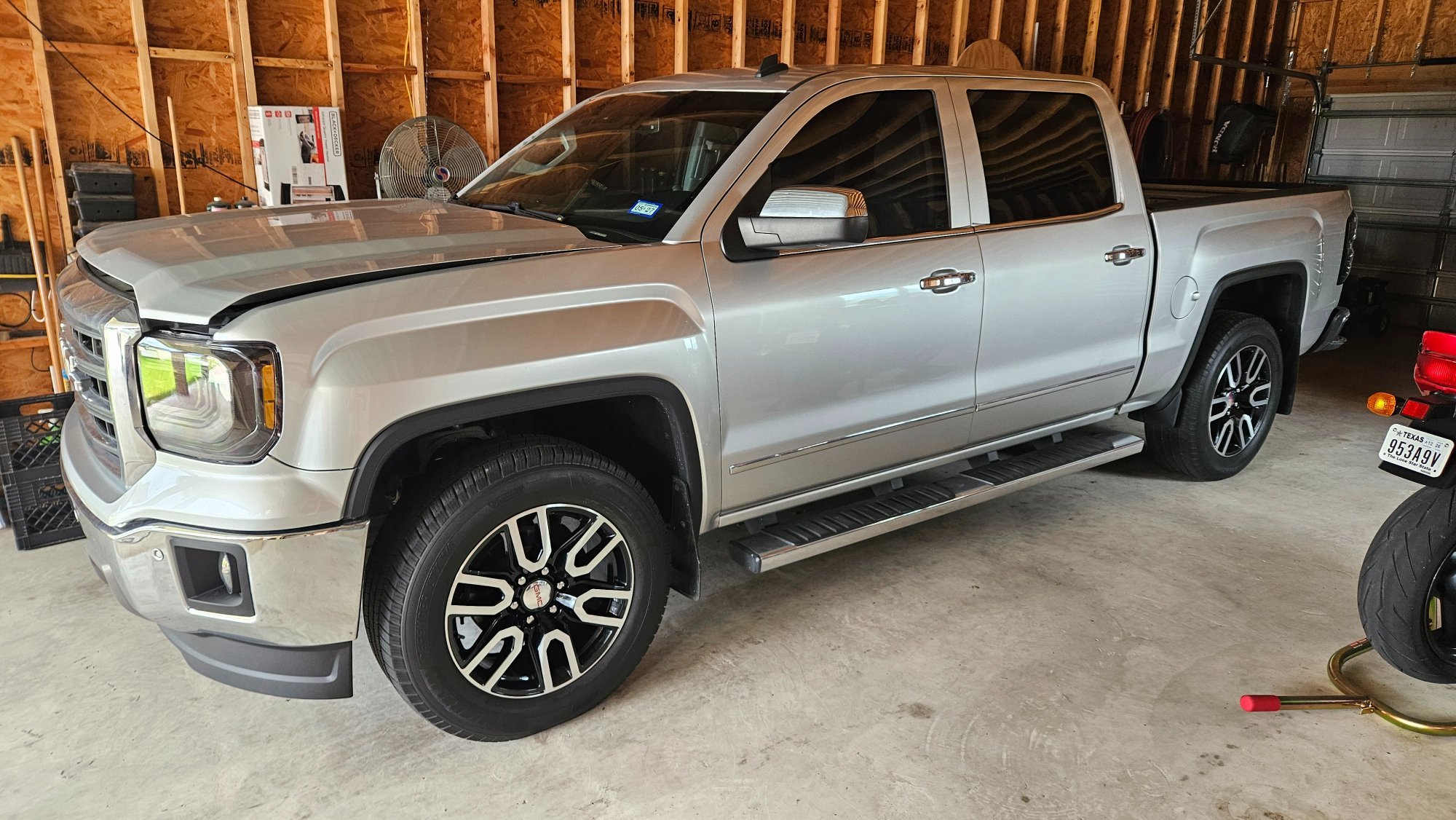
After nearly 3 years of waiting I finally got rid of the chrome wheels. They were just too much. Next are the factory running boards. Very functional and sturdy but too bulky and they stick way out. Just my opinion anyway.
3 points
-
New member here, very long time occasional guest. Saw this thread, thought it would be a good time to contribute someting. It is only my experience and not a claim that everyone will have the same. I bought my '20 3500 L5P new and have put 99.9% (literally) of it's current ~400k miles on it myself, with over 50% of that towing loads between 4k to 15k, and to me this truck has been nothing short of amazing. For the first 235k I had zero issues, and from there until 321k I replaced a NOx sensor, two failing glow plugs, and three of the notorious injector connectors. I believe this truck is in part, a testament to good luck, but also good care and following a decent maintenance schedule (I also keep meticulous records.) As a result, it looks as good as a well cared for 70k rig, up and down, inside and out. At some point before that 321k mile mark I began to get a little spooked about the 10L1000, especially the valve body. Word of mouth about potential issues prompted me to jump on the net to sift through all the noise and determine what all the fuss was about. I routinely take long trips, coast-to-coast and points in between, so roadside breakdowns can be '...a thousand miles from nowhere' and a bit of a challenge, and though I had no issues, my guard was up and activated. And then I stumbled across a chance to salvage some parts off a new 2025 that had been wrecked in transport. I grabbed a few wear items (alternator, pulleys, etc.) and on a whim asked what the ten speeder would cost me. It was cheap...really cheap. I knew some changes had been made in the '24+ version 10L and were supposedly not compatible, but I called service/parts at my local Chevy dealer and asked why and they didn't know. A call to a well known aftermarket transmission outfit revealed it was very likely it would be fine, but to them not 100% sure. Because it was cheap (really cheap) and I was spooked, I took the chance. Had it installed by a local shop and it worked like a champ, shifted just like the original. At it's first service at 37k, I had the shop put in a Next Gen valve body kit, which after some initial hiccups and rough shifts, smoothed out though with somewhat firmer shifting. All that said, I have a very serious concern about my newer transmission as just two weeks ago it suddenly began to exhibit a strong reluctance to engage forward or reverse. It was a bit past due anyway so I took it in for service. The reason it was sticking was due to 'glitter' in the fluid clogging the filter...not good folks, often indicates a converter giving out. We ended up going ahead with the new filter and fluid, first to see if it would move and shift, and then if so buy me a little time. It did, and I've driven it over a thousand miles and it is shifting smooth, no noises or slipping. Regardless, it looks like a third gearbox is in my future so I can resume taking long trips with some confidence. In the very short term, my curiosity will have me examining the fluid to check how much glitter has reappeared. An earlier poster had alleged, in the context of 10L100 failures, that it is another example of how we seasoned citizens somehow descend into hysteria, lose control of our senses, and react irrationally after brief encounters with the idiocy of the internet infosphere. Let me say (and I have used and abused said internet since it's infancy) there is no segment of the populace that has a corner on over-reaction to digital garbage. Just as my offering of experience in this arena is purely anecdotal and should not be considered gospel or all-encompassing, I believe it is still worthwhile information to consider, along with other relevant anecdotal experiences about things like complex transmissions, especially when balanced with other sources. So to answer the original question, yes I got high miles out of my first 10L, trouble free for 321,000. Now I really wonder how much longer it would have went. Did I 'overreact' to the internet ghouls by replacing a 'good' one with a 'bad' one? Maybe. Who knows, the thing might have taken a puke a 100 miles later. So I'll just fix it again, then move on and start thinking about all the other stuff that will eventually wear out. It still has the original brakes (they're at ~60%), original injectors/pump, turbo, water pump, etc....pretty much original everything. Knock on wood.3 points
-
// Thank you, also for your response. More information is always good. This 2013 GMC is most likely my 'forever truck"-I'm 77 and retired...and truck only has 42K on it-very clean-so I try to keep it that way. Tks again for your response- glenn3 points
-
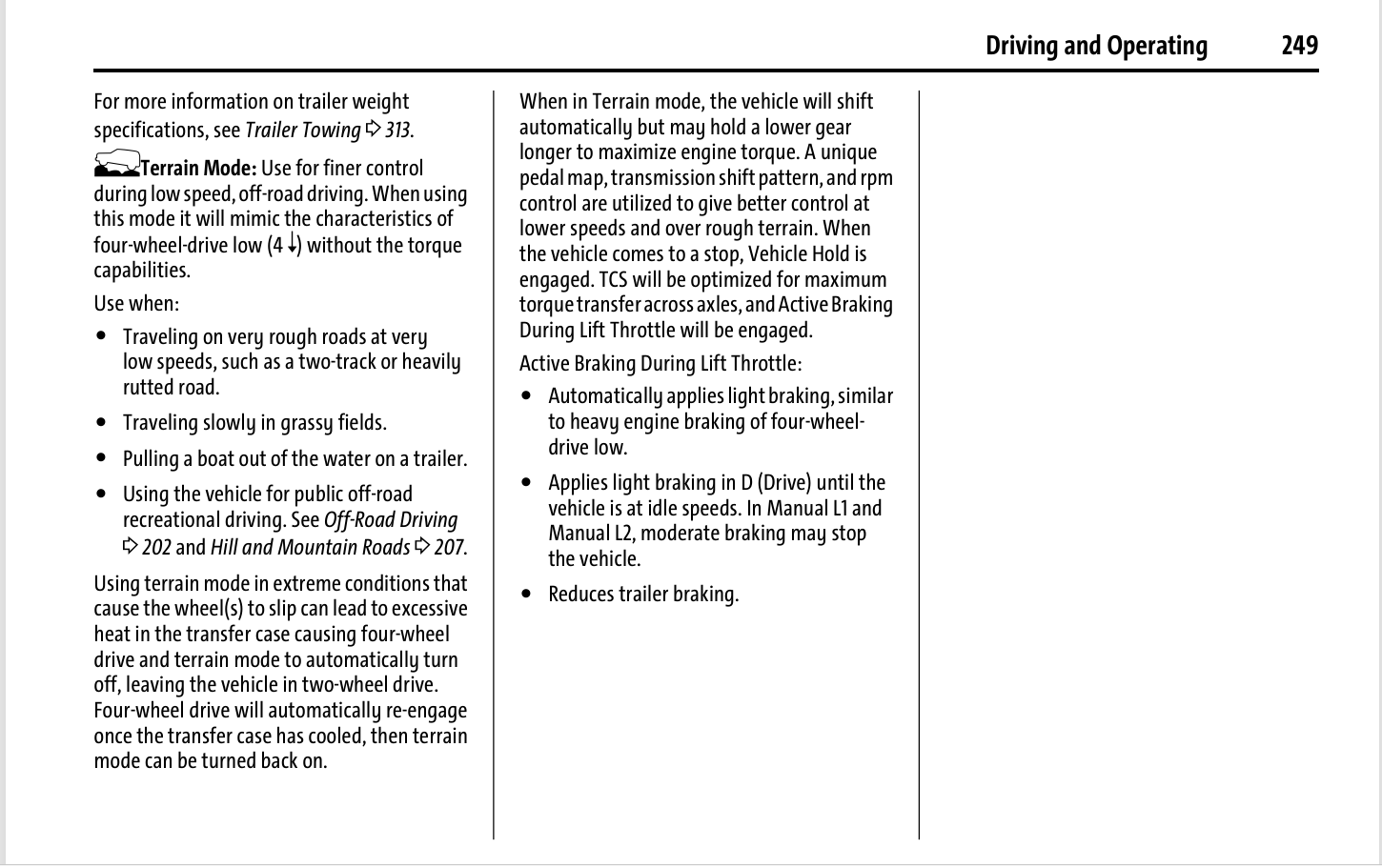
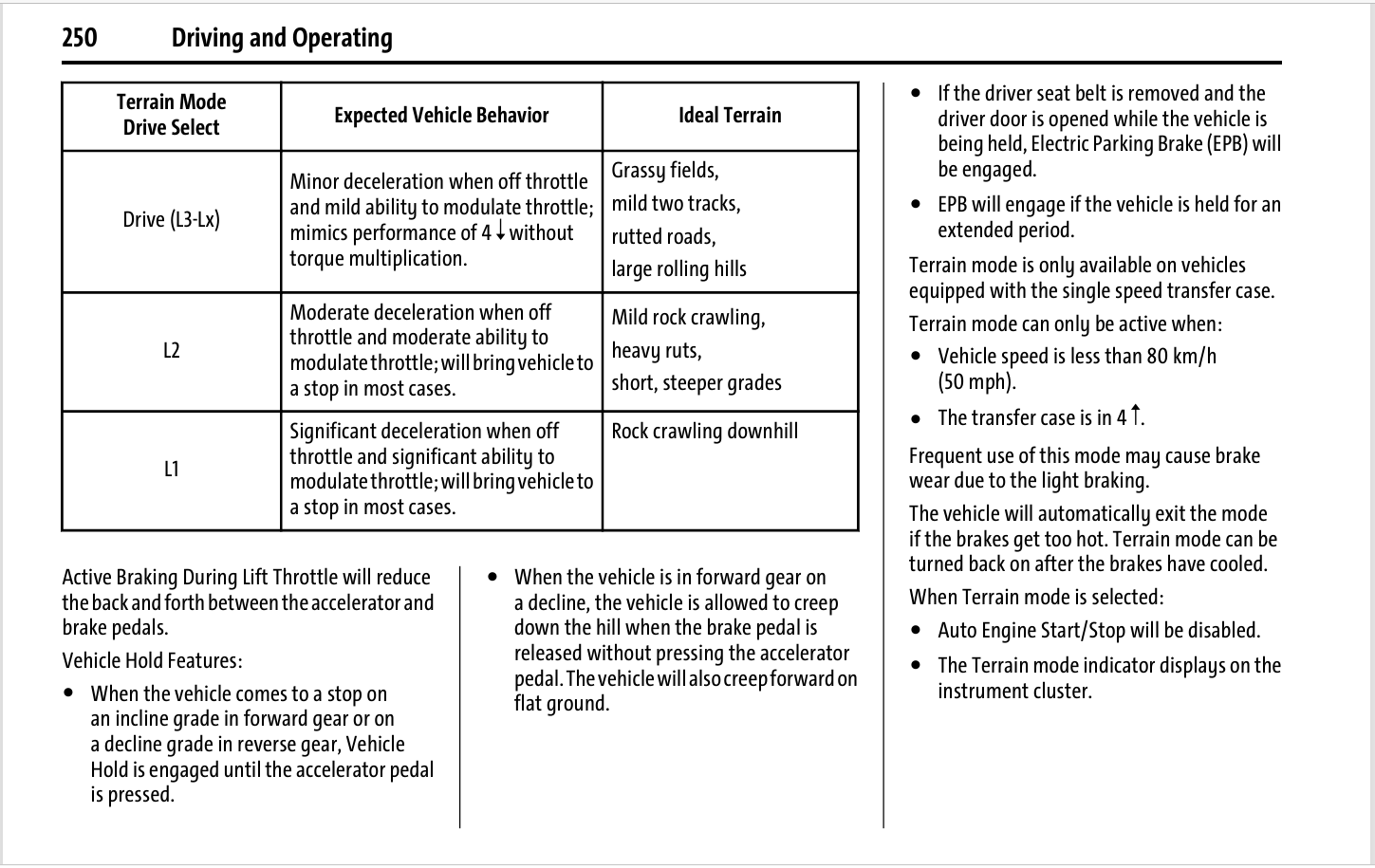
This is a 1/2 ton thing ONLY. All HDs 2020-2026 have the two speed transfer case, with Autotrac as an option (still a 2 speed transfer case but gains Auto mode). 1/2 tons 2019-2026, regular 4x4s come with a single speed case (no 4LO!), and trucks with Z71 ordered, or all Trail Boss trucks come with the 2 speed case. 2 speed case is also an option on WT, and is also standard on High Country.3 points
-
4 low is really nice on steep boat ramps.3 points
-
If we actually used any significant amount of that source in the USA then I'd agree but we don't. We've had that discussion before. We drill and pump more than we use. Thing is, we sell. We export. Gas and Crude. It's more profitable so any shortage here is self inflicted and LEGAL. I worked a gas plant that has multiple fuel sources available and I worked in the furnace and boiler plant in that facility. I'd had days we swapped fuel types four times in a twelve hour shift which isn't done on supply but on margin. Two of the fuel sources are internally generated. Tail gas and DAK, both of which are sold as well a consumed. We always had more than we needed to run the process but we chose the fuel that produced the best margin not bought at the cheapest price always. A good bit of math to that and back in the time that was done on a slide rule. I worked the Shale Oil Semiworks of Chevron Research and CONOCO Research in Salt Lake City. That process never went into production although it was very successful. Why? Did we lack oil bearing shale? Nope. Price of crude never made the margins work. That was in the late 70's early 80's. Remember history? What was happening then was a reaction to that situation. It didn't drive it. If so then it's easy. This isn't a supply and demand thing. This is a profit and margin thing and AI rules that now. In no refining situation that I was ever in would a bomb hitting a well anywhere in the world 'instantly' interrupt or even distress the supply. Most plants have more than a months worth of crude in the tank field and more in pumping stations. That yo-yo could play out over days, weeks and maybe months and have zero impact on plant operations. How many times has this been off and on in the last few months? These people and not stupid. These plants measure down time in hundreds of thousands of dollars per day. They are not sucking fumes or waiting on the next truckload with baited breath. Besides, as I noted, they are for the most part 'vertically integrated'. They own it from the dirt is sits in to the delivery rack and sometimes to the pump. It has a HUGE shock absorber built in. When production suffers, refining wins and when refining is winning exploration is killing. The rest of that crap in the news is a 'news cycle'. Government dipping in to reserves? Oil is stealing their milk money. There's a reason Chevron abandon Venezuela infrastructure and it had nothing to do with security of US citizens. Nationals run those plants. it has to do with MARGINS disappearing to corruption. They are in no hurry to return. Is there supply there? Oh yea. More than enough to offset what is bought in the middle east. Just isn't ???? Profitable. We have supply. There are places in Illinois you can drive a pipe into the ground and run your homes natural gas furnace on it. A refinery fire will gum up the supply works but not a localized war where the market is using a limited supply from. Now Europe, that's something other....3 points
-
4-5-6 fails due to design. Not enough clutches and not enough piston to clutch surface area. Also the backing plate can bow. I'd say converter is two part. The design of converter chosen, and factory tuning of it aka slipping it in D (also L6) for AFM purposes, as well as locking it up in 2nd gear, sometimes 1st, also it will partially lock up at light loads. All because CAFE/fuel economy requirements. A billet converter on the stock tune might hold up better, but would still be subject to the stock tuning and how its designed to lock or partially lock. The most baffling part to me, is the 2007-2013 6L80s didn't have the failure rate the 2014-2018 ones do. I've been where I work for almost 17 years now, and I recall maybe 3 or 4 of the 07-13 transmissions getting pulled for something. 14-18 on the other hand, it was at a minimum one a month being opened up. If I had to guess, I'd say the tuning for the gen 5 engines/6L80 setup and its fuel economy goals had a good bit to do with it. Also, it was bankruptcy time during these years, so I'm thinking some cost cutting was done for the launch of the K2XX trucks. See also now the 10 speed valve body issues (more cost cutting). They blow out some mesh screen in the spacer plate, undersized check ball, and the feed limit valve was aluminum and wears out prematurely. I don't think it was the HP jump from the gen 4 to gen 5? The 6.2 in the 07-13 trucks was good for 380-400hp during its life/states of tune, and the 5.3 did 310-320hp.3 points
-
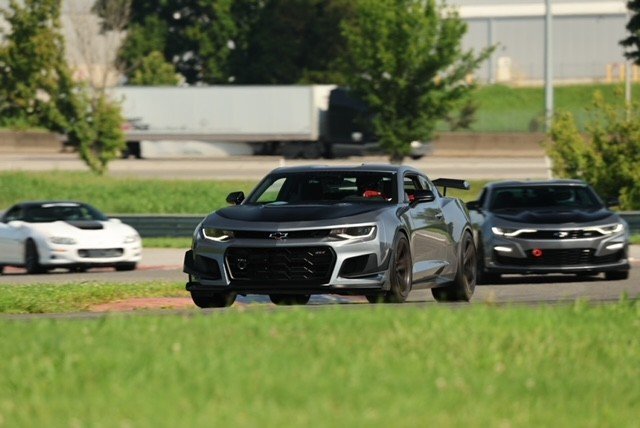
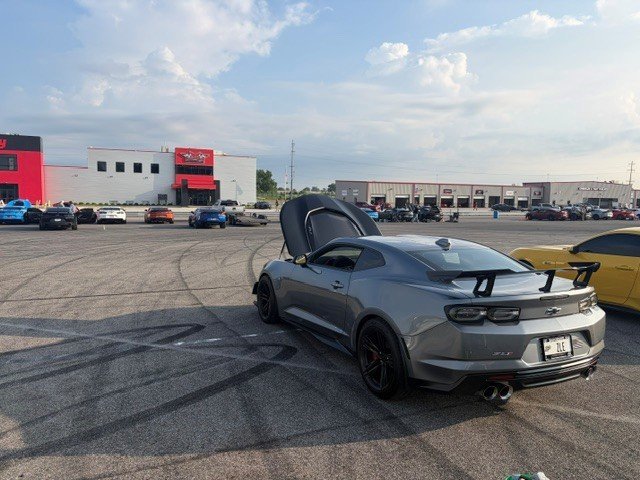
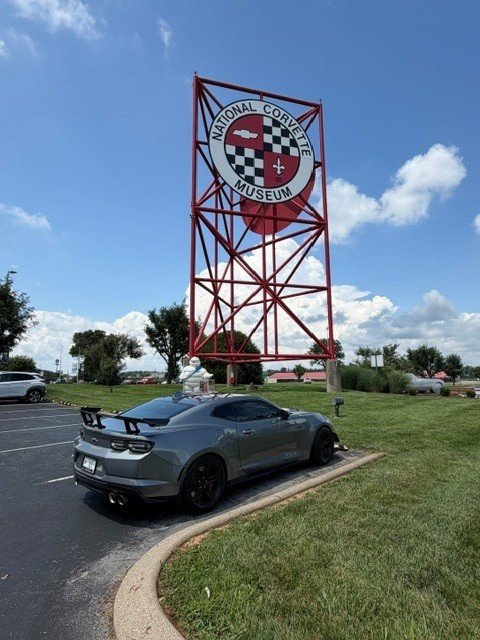
This past week was spent in bowling green for Camarofest (15)
3 points
-
I haven't been able to get on BITOG this week. Thinks I'm a robot and kicks me out. They have no idea how right they are.3 points
-
Well, okay then...
2 points
-
2 points
-
Very true. However. GM did give those trucks with the single speed case Terrain Mode. Terrain Mode mimics 4LO minus the gear reduction and torque capability. It uses the ABS/braking system to perform the operation. It also gives these one pedal driving (sort of) when in Terrain Mode via the active brake during throttle lift. Does it have its limitations over a true 2 speed case? Sure. But it works.
2 points
-
think maybe gm could learn something2 points
-
Let me introduce you to my Mirage 1.2 three pot with a CVT! Know what a Mirage can pass a Hell Cat Hemi can't?2 points
-
Similar thing happened to me. Manual transmission mode didn't help. Transmission temp 190-203. Next day after transmission cooled, everything was fine. My check engine light stayed on. Had the code checked. It was a valve body failure which was repaired under warranty (5 yr/60,000 mi for gas).2 points
-
Heat is the enemy of many things, from automotive fluids too electronics.2 points
-
I can relate. 3 years ago I did that on my Avalanche. I was sore for a week. The only maintenance I do myself now is drop and fill on the transmission on my Honda’s. It’s just too easy. My yard work with my walks in the morning will be enough now I passed 70. The contributing factor is the heat in Texas. You just have to pace yourself.2 points
-
I took my truck in ro Lawrence Hall Chevrolet in Abilene TX and and they replaced the Reluctant (DEF) Tank under the CPO warranty so I'm back on the road again!2 points
-
Long story short I ended up with a set of Ironman tires because of a wheel size change on our Yukon Denali - I intended for them to be temporary (no more than 12 months) until I put the tires I wanted to on it, a premium A/T. However, they've been great, quiet, no traction issues, wearing even and very cheap here. They could use a better balance job from a slight vibration at 85 or higher. But so far, I've completely abandoned my original intention to not keep them. I won't go so far as to say I'd immediately buy them again for a permanent long-term solution but if my experience continues like it has with them, I could come to that conclusion. I was also told they are made by Cooper, don't know for sure though. For your purposes on the little truck you're working with, I'd highly recommend them.2 points
-
I think the key point to longevity that may be being missed is the way the vehicle is being used. Long operating times with limited cold starts is one. Sustained speeds is another. Vehicles get better fuel mileage on highways for that reason.2 points
-
Sunroof on Dizzy was like that. Fix it, break, fix it again, break.. Fix it again RTV it shut. Plastic gears. Love yards like that and they are few these days. Going to the mall before there were malls.2 points
-
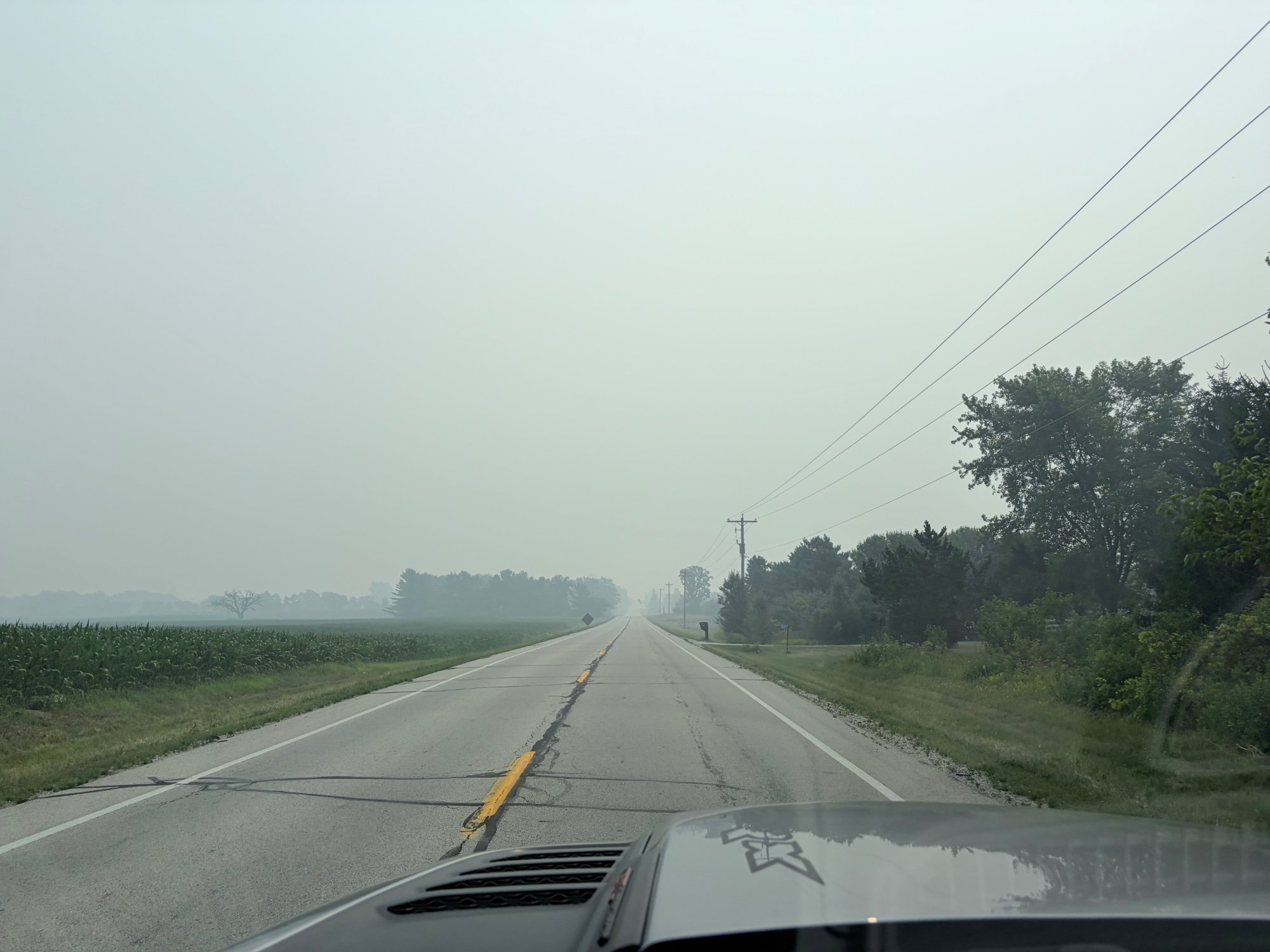
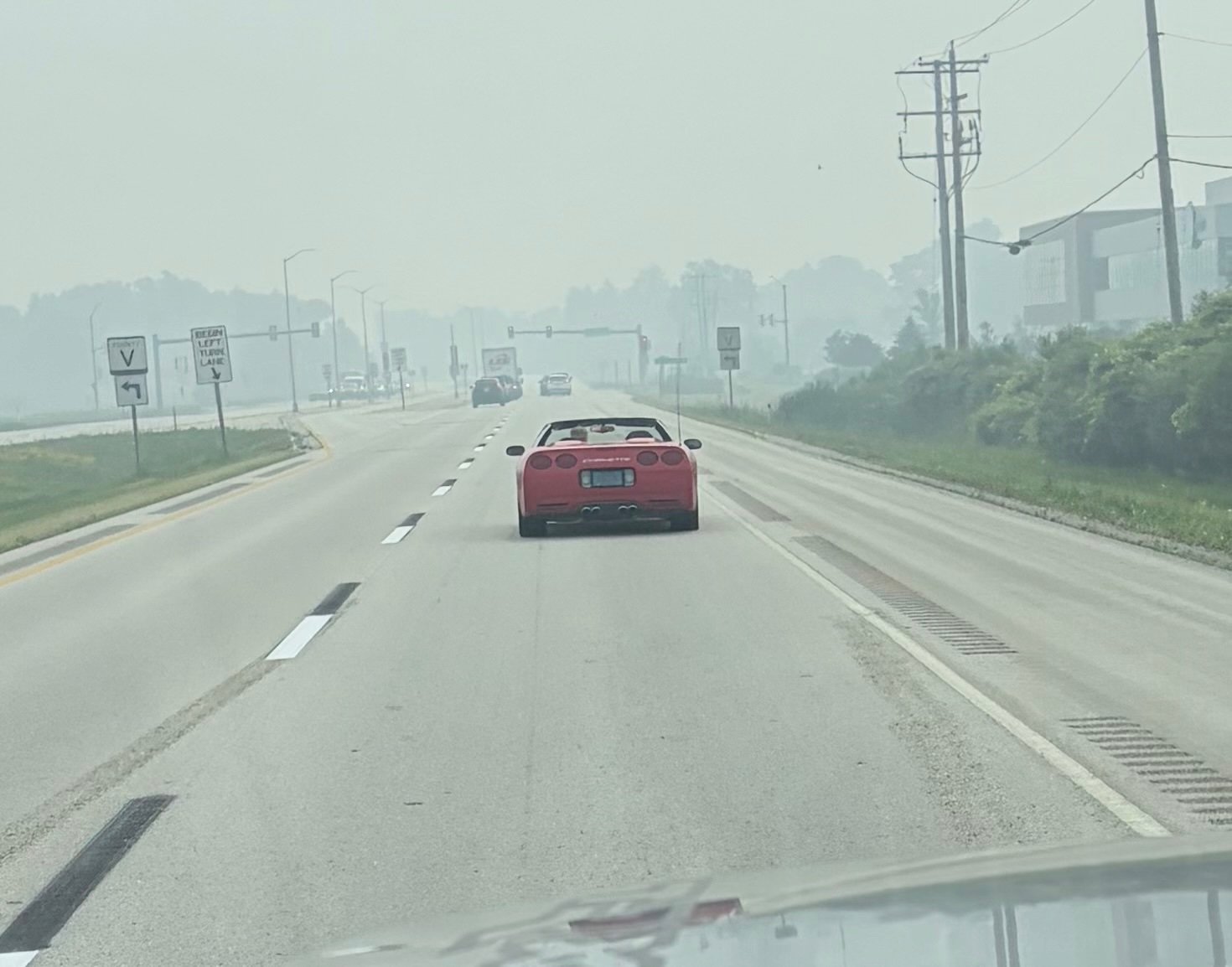
Insane smoke out today. Worst air ever recorded here. Sunrise over the water looked apocalyptic. Pretty bad in town as well. Didn’t stop this guy from letting the top down in his C5 of course. He must be a heavy smoker because my lungs wouldn’t handle that so well.
2 points
-
I don't think it's a wild guess Stan I think you hit the target on that reply.2 points
-
Curious @newdude, how does this change when a 6L80 is either fitted with a billet converter OR is behind a V6 whose converter isn't a pile of junk? Oh, and are you saying in the above the 4-5-6 clutch's burning up is the result of the converter/pump induced failure or they are just fragile? Thanks in advance for any feedback you may be willing to give.2 points
-
I mean either way works. My transmission temps stay in the 130-150's just cruising around in the summer, pushes into the 160-180's if I tow but they settle lower on longer drives.2 points
-
Pill flip on the transmission cooler lines is a 100% must do thing too.2 points
-
Did the first oil change at 850 miles on my 6 week old 2026 2500HD TB 4x4 V8. Used Mobil 1 5W30 which I have been using for years in my trucks and late model GM cars, and a PF63 AC Delco filter. Took exactly 8 QT and right to the top of the dipstick. Debating if I will let the dealer do the next one. It's $60 worth of supplies and 30min of my time to DIY and probably would end up wasting a lot of time if I brought it to the dealer, not to mention the risk of them doing something stupid. I mean it happens. first longer road trip this weekend so I wanted to get this done first. Saw very minor metal flake in bottom of drain pan - nothing significant, as you would expect.2 points
-
The 6L90 in the 2020+ trucks has several improvements over the 6L90 in other trucks, so the comments made about issues with previous versions may not apply. I have been totally happy with the 6L90 in my 2021 3500 HD. The L8T has plenty of torque over a wide speed range and does not need to be held in a narrow rpm range unless you are towing near the maximum weight. Even then, six gears works just fine. Personally I don’t like what i consider the excessive shifting of most ten speeds, but i have not towed with one of these trucks with a ten speed. If you are buying used I would prioritize condition, miles, maintenance records, absence of stupid unreversible modifications, and towing history as more important than ten speed versus six speed. Make sure you try the seats out before choosing a trim level. I can drive my SLT with the leather bucket seat (premium pkg) option for 8 hours and get out feeling fine. I was uncomfortable in the SLE cloth seats with fold down center seat by the end of a 20 minute test drive. My wife loves the SLT leather bucket seats, too.2 points
-
every truck needs a companion2 points
-
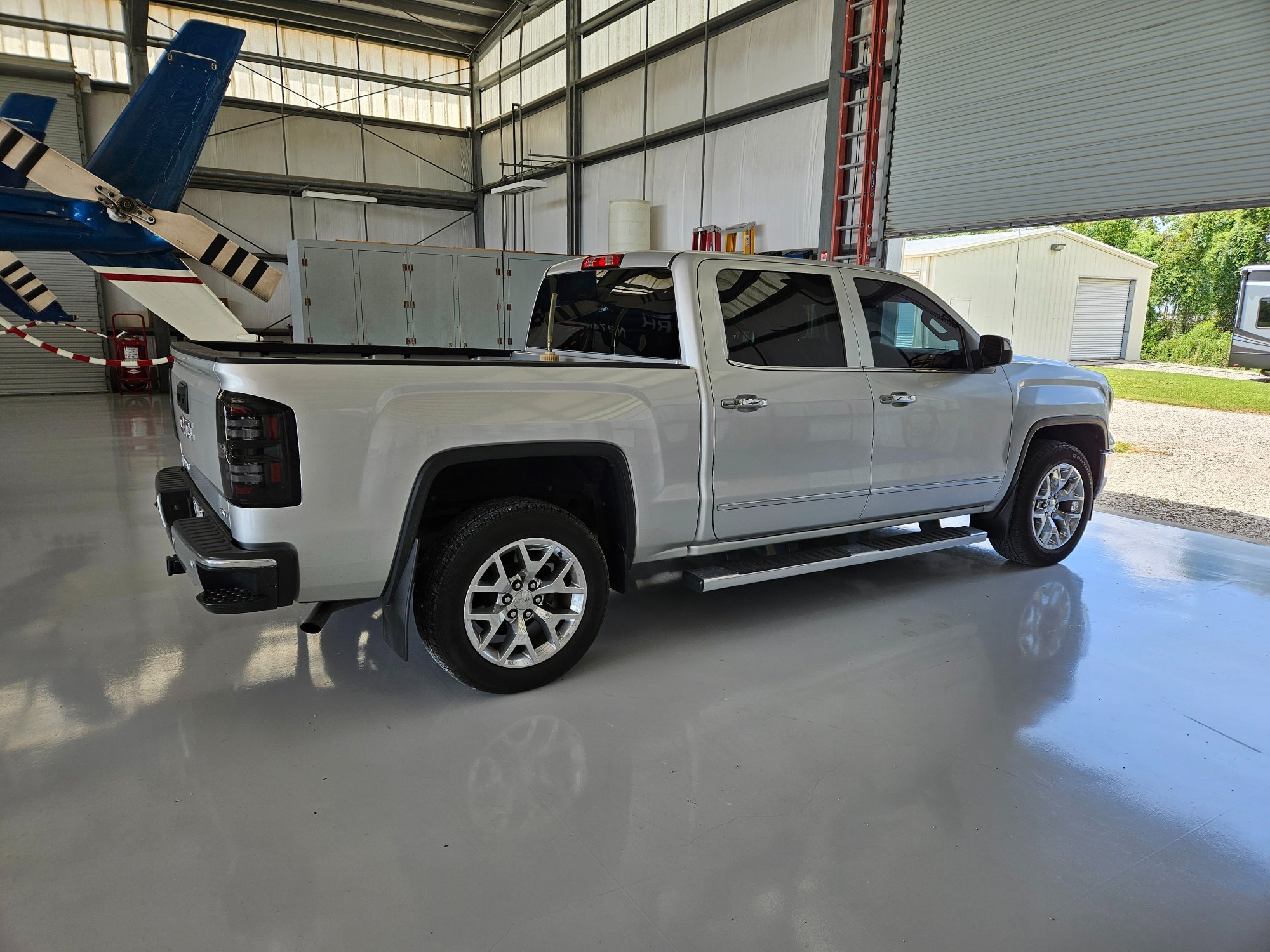
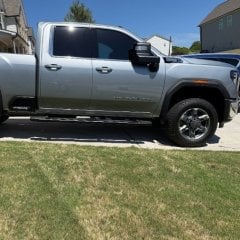
Banks diff cover added. For those who have not greased their 9 zerks in your frontend, do it. Mine were bone dry.
2 points














.thumb.JPG.96e5ac8c60641f8011665a2c92c083f2.JPG)



.thumb.jpg.86f02fd2fd105ce655092cd32bf47f16.jpg)






This leaderboard is set to New York/GMT-04:00