
Leaderboard



.thumb.JPG.2c573de60d3a3a4407c7d92298db46dd.JPG)
Popular Content
Showing content with the highest reputation since 07/24/2025 in all areas
-
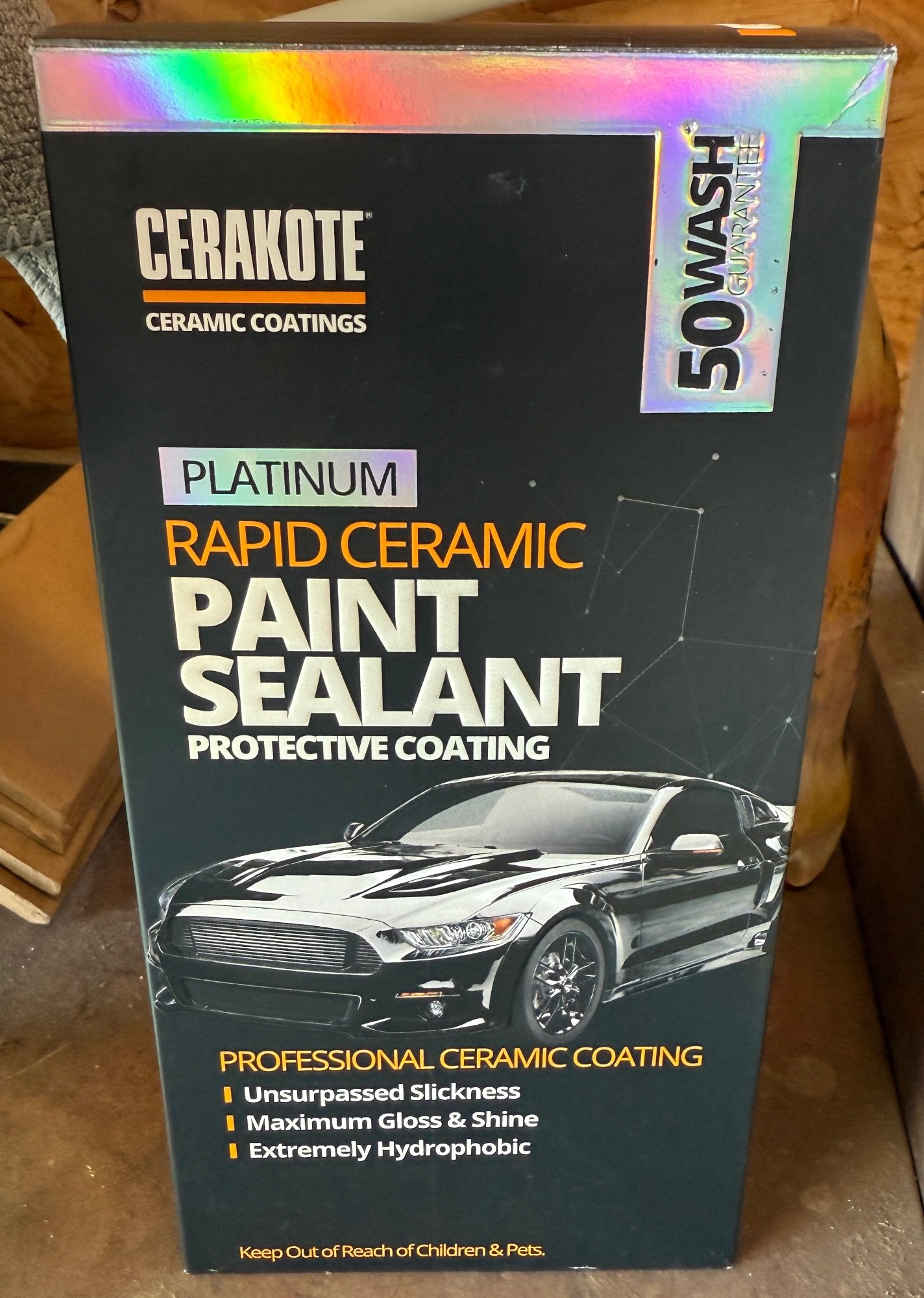
Yearly clay bar and wax. Went with Cerakote ceramic sealer this time. Time will tell if it’s any good.
 8 points
 -
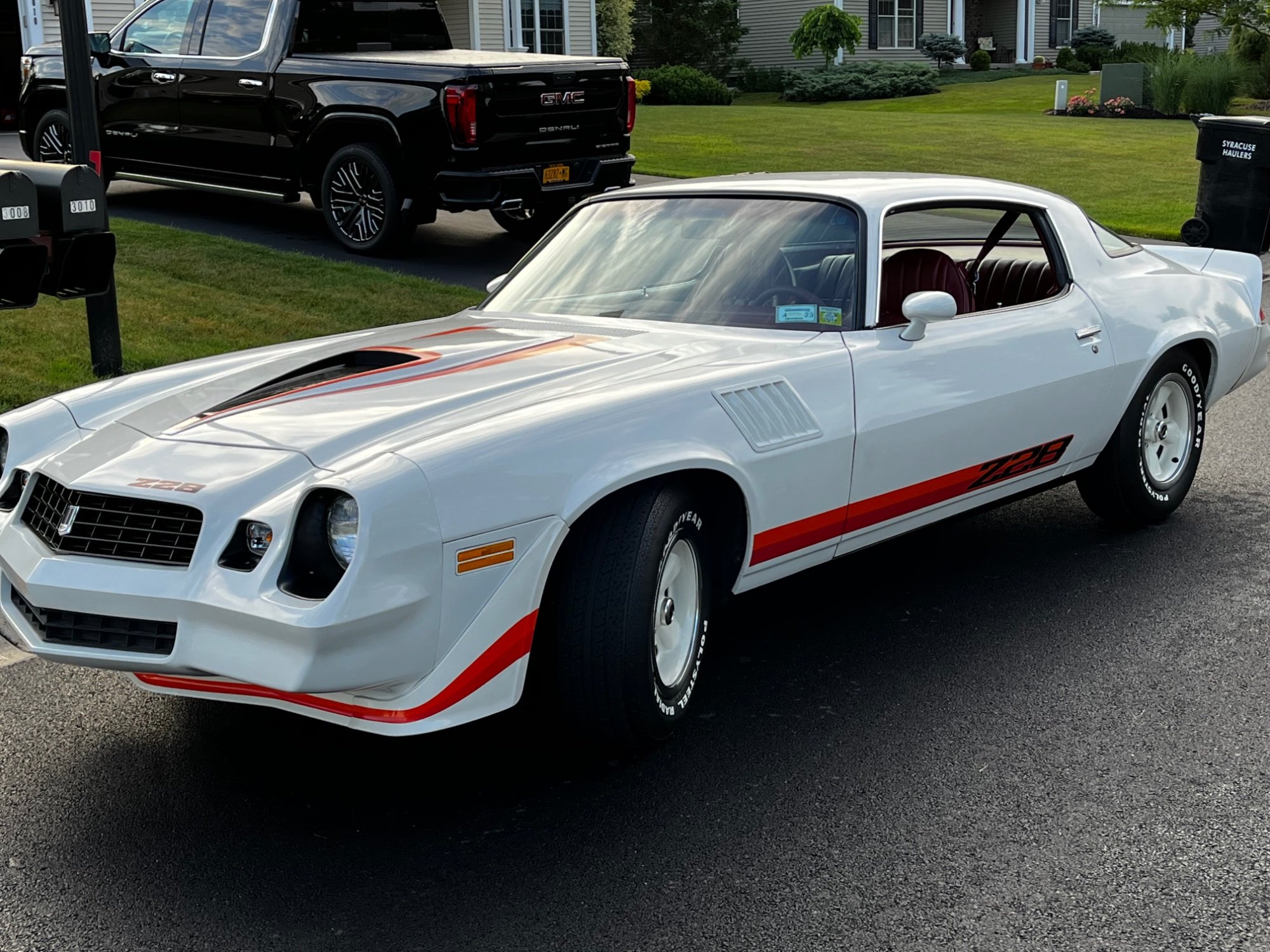
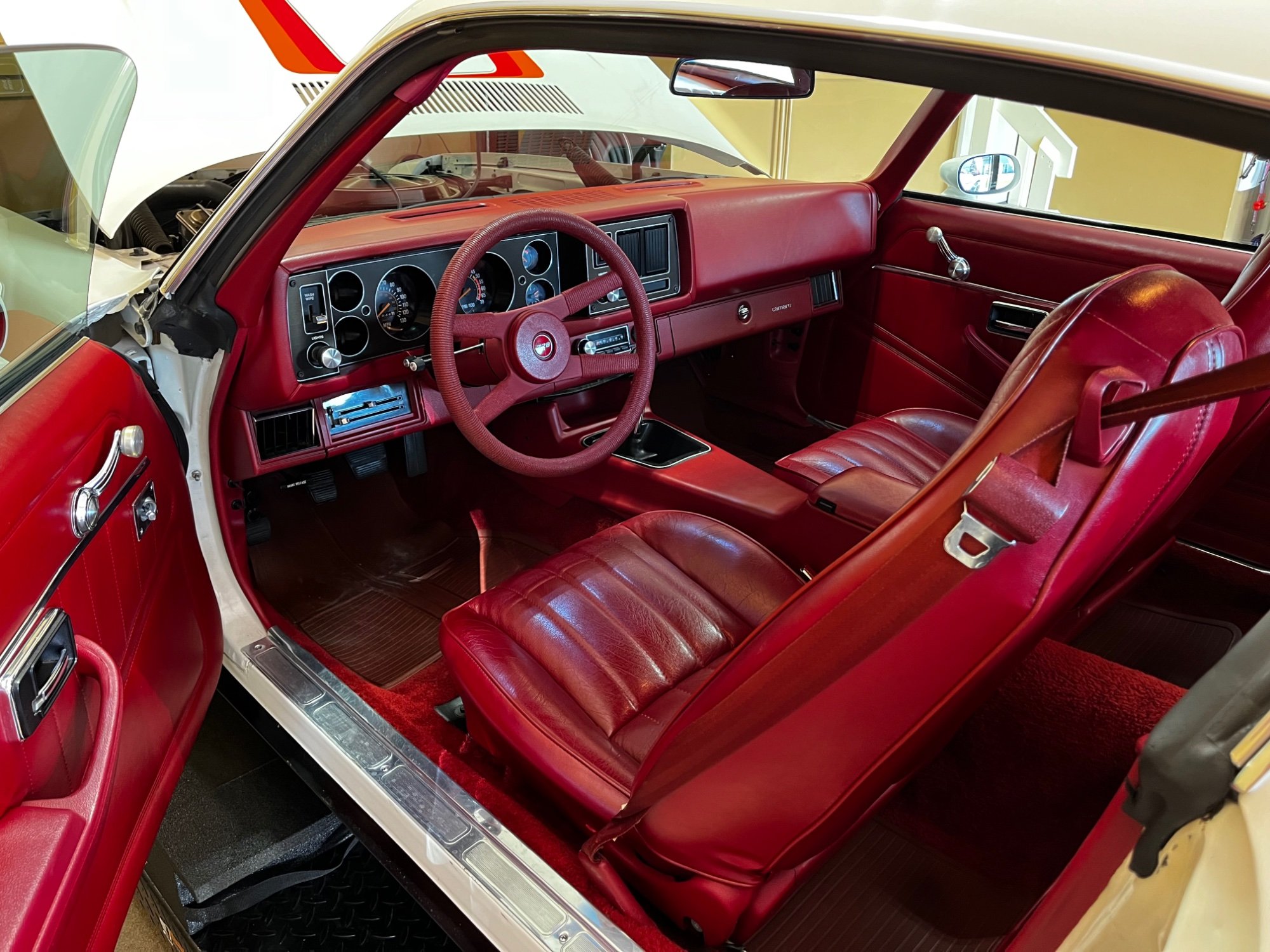
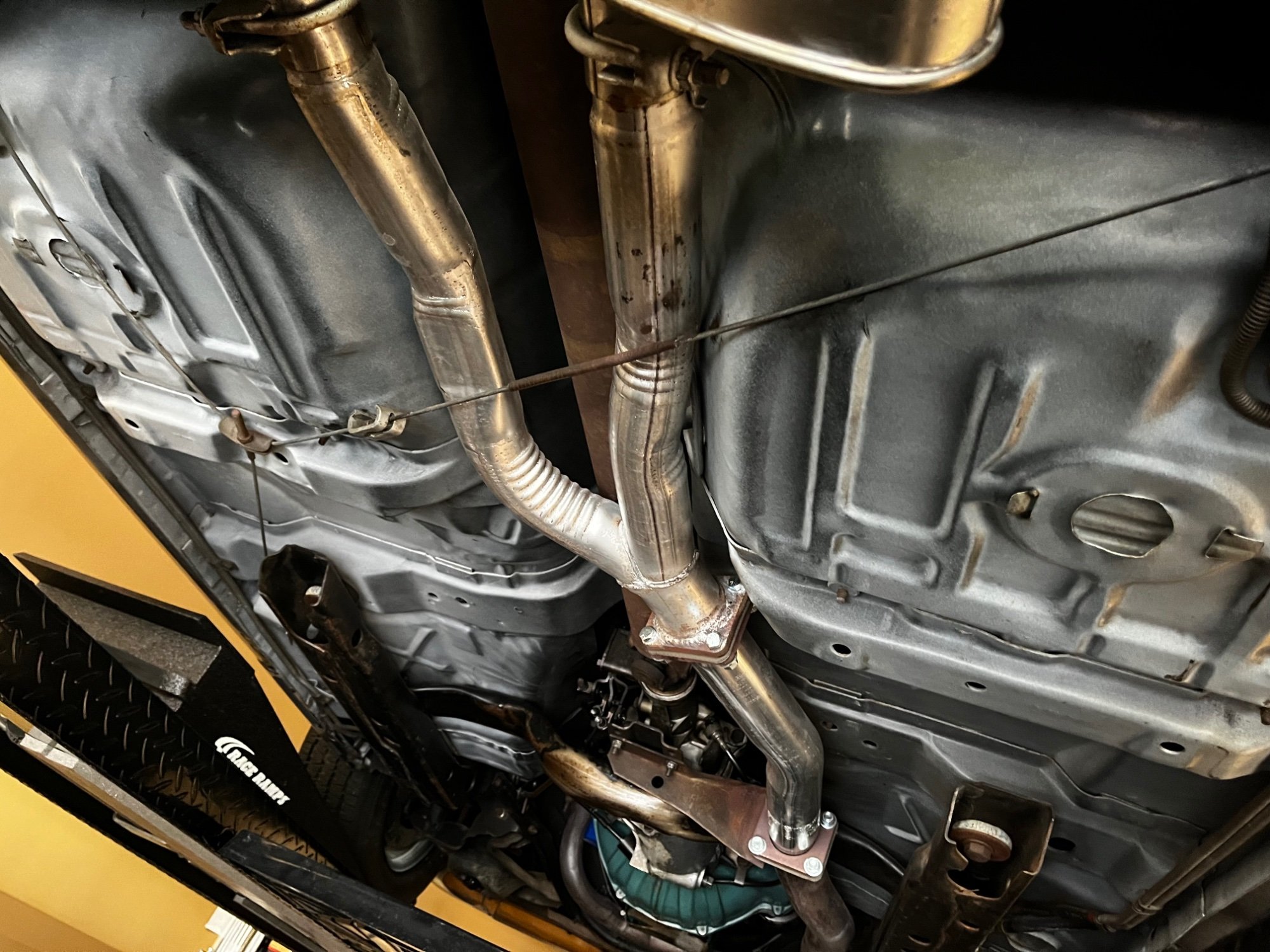
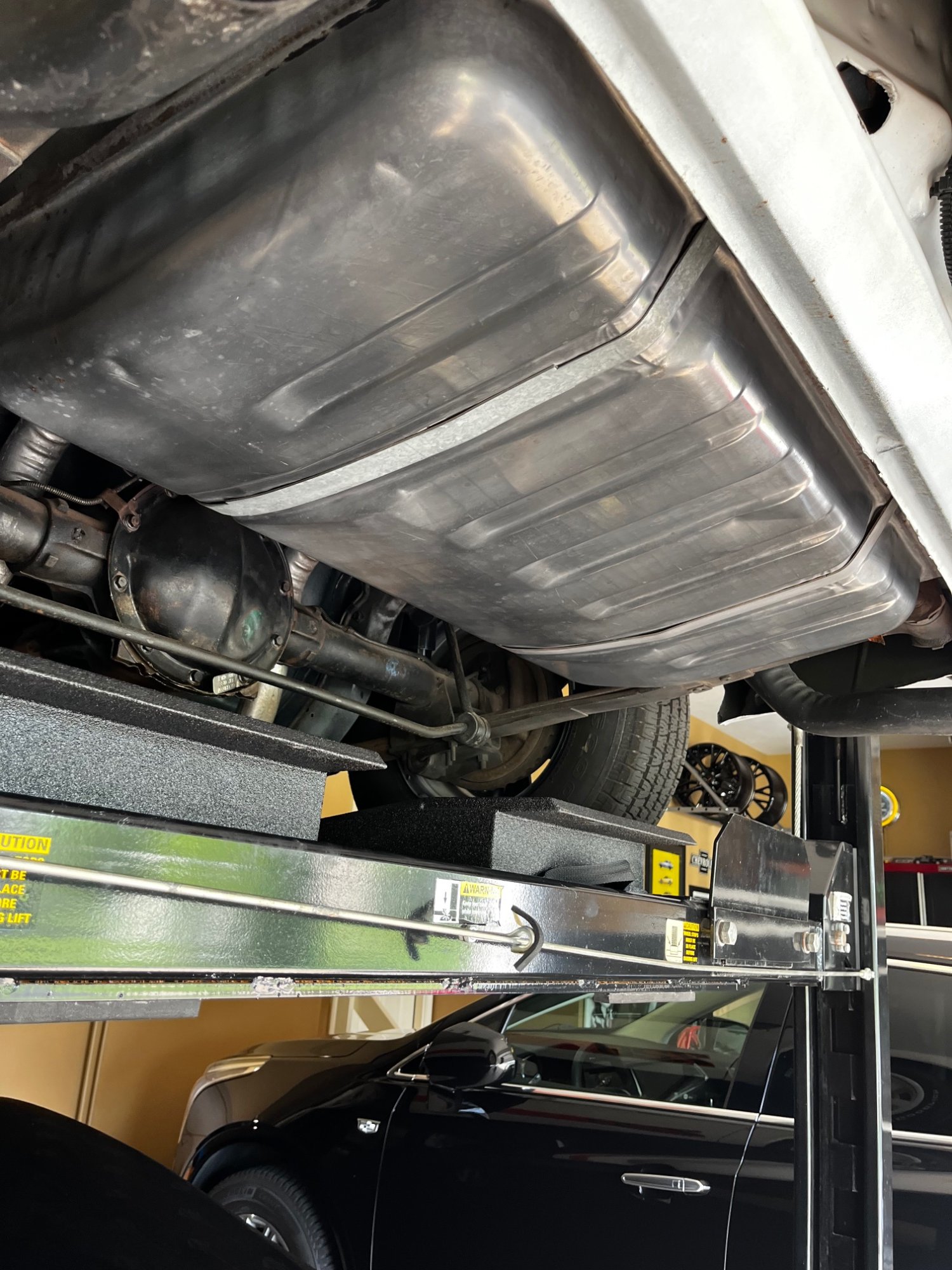
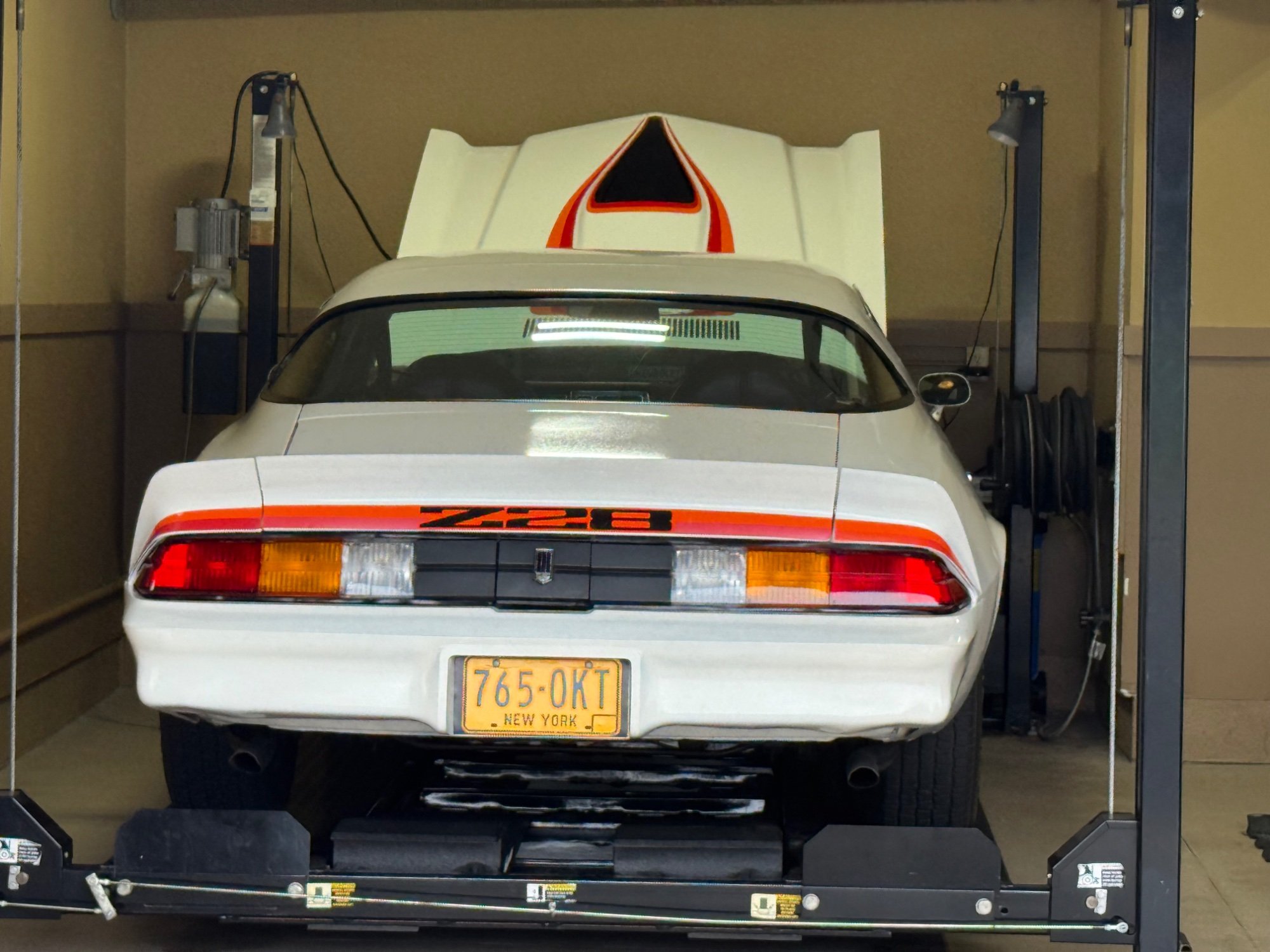
I’m getting it ready to go to the Syracuse Nationals.
7 points
-
Now we are in my wheelhouse Any refinery that can run sour crude can and does process sweet. Just can't do it as efficiently. Fact, no refinery in the USA processes ONLY sour crude. They are run on a blend and that the split has more to do with the price of the various feed streams or equipment utilization numbers than the processing equipment itself. When you run sweet in a sour plant there are certain parts of the plant that no long have a function OR are not fully utilized. Sulphur content is what determines the feed being called sour or sweet. So when WTI is sold to Europe it isn't due to a lack of processing ability. It's due to 'limiting profit' running it here. Sour crudes are not just the middle east. Venezuela, Canada, Mexico are also sour. We import all three. Chevron has a very large presents in Venezuela. Chevron's refinery in Pascagoula, Mississippi, and several others along the Gulf Coast, Valero and Marathon Oil are sour plants as are many in the Midwest that use Canada crudes. This all is tied more to profit than to ability. A new refinery built specifically for WTI just makes more money but supply is limited in the big picture. Fact is we only have one refinery in the USA that processes only sweet. Toledo Ohio and it isn't a big one. 180K bpd. There is a second planed for Brownsville to run sweet shale crudes but....also small 160K bpd. Fact, it is cheaper to build and run a sweet plant and there are more high value products in sweet crudes. There is just a limited supply on the planet. Sour plants proliferate in the USA due to past practice when OPEC was flooding the market and it was cheap enough to warrant such a move and US production of sweet was small. There are refineries in the USA that have units that date back to the 1920's. I worked a Getty light gas plant that changed boiler and thermal cracker fuel type up to four times a day based on cost. Ran our butts ragged during the 70's embargo. Nothing in a refinery is not driven by extracting that last penny a barrel. It has nothing to do with the needs of a nation or it's people.6 points
-
Godzilla eats cams but I guess you missed that part. L8Ts that come in at work have been reliable. We've only replaced one engine in a customer truck in the 6, going on 7 years its been out. Maybe 2 or 3 came in for oil consumption monitoring.6 points
-
6 points
-
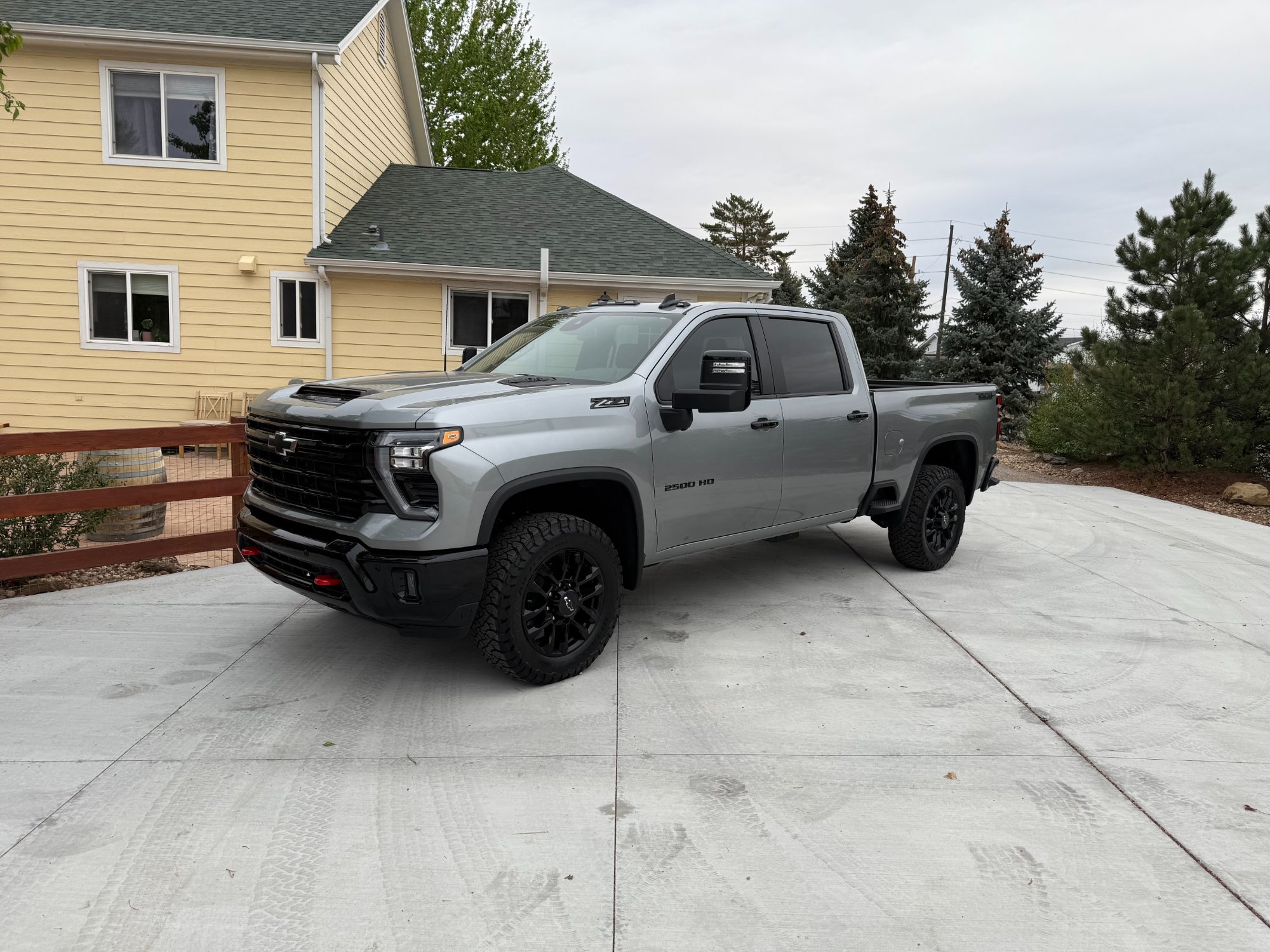
new member here - just traded my 2018 Colorado long bed LT/4WD V6, lifted 2" w/ ZR2 wheels for it's big brother - 2026 2500HD LT / 4x4 / trail boss 6.6L in the same sterling gray color. I tow a 5-6Klb car trailer and moved to CO last year from CA and now have a farm property, so plenty of room and more hauling duties as well plus the mountains / elevation around here really kills the already underpowered V6 in the Colorado. I don't drive a lot, so the Duramax wasn't really necessary, and gas around here is $1 cheaper than diesel as well. This truck has well more than double the towing capacity I need anyway - I was just looking for some margin and to cover for the mountains which go up to 10K feet in some places.
6 points
-
I'm pretty sure everything GM does is for profit. Doesn't change the fact that somehow in 2026, so many people can devote so much mental bandwith to something as simple as engine oil. Go blindly pick any decent synthetic. Dexos or otherwise, change every 5k,and convince me there's a real world difference.6 points
-
6 points
-
6 points
-
Yup. My last real work day is 12/18, and I’m officially retiring 12/31. We are hitting the road for a few weeks heading South to Joshua Tree, Death Valley, Mojave Desert, and other SW destinations in mid February. We hope it will be a good year for the bloom in Death Valley.6 points
-
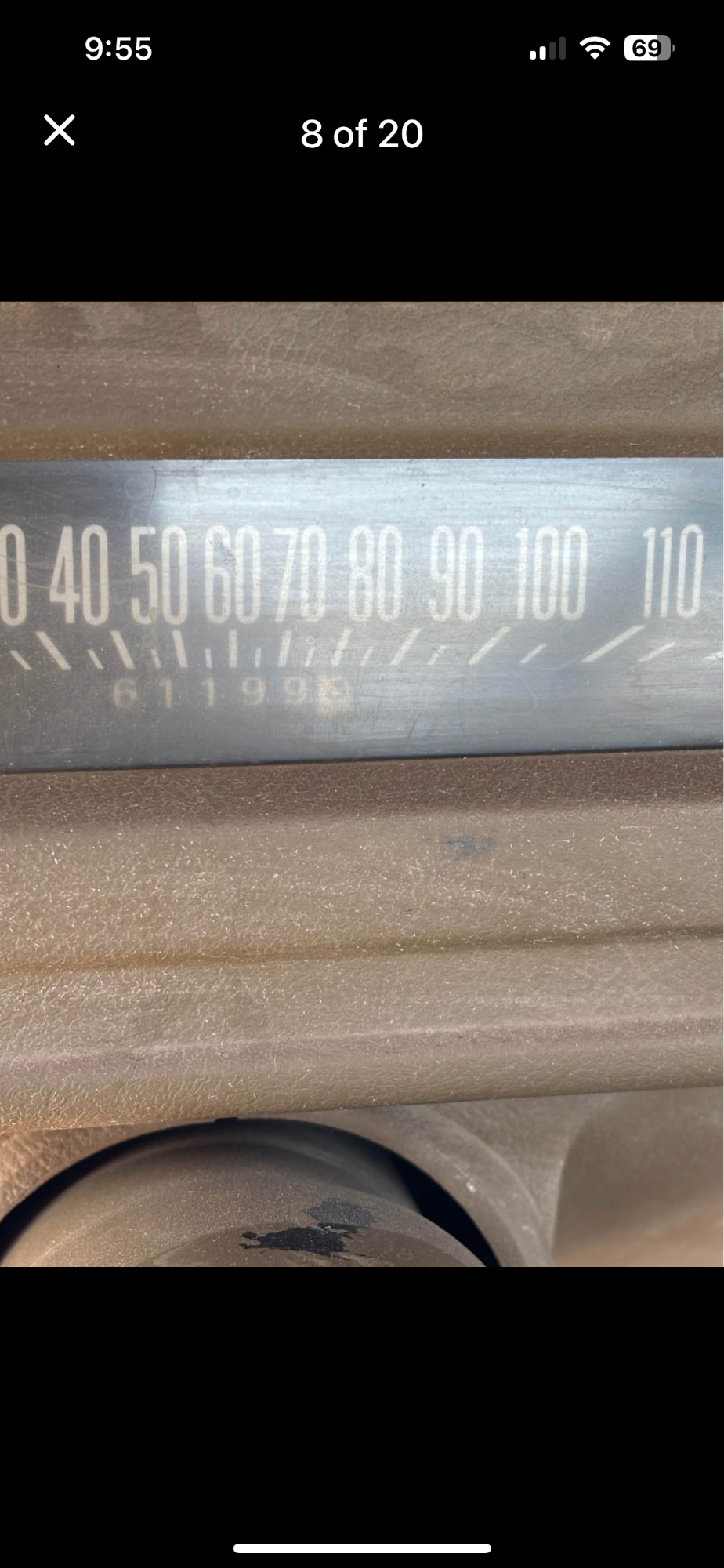
1974 IH D200 4x4 345 V8 4v factory dual exhaust dual fuel tanks original 61500 miles. Very little rust.
6 points
-
I just heard from him. Today was PT day. Sore, some pain. His PT person is riding him hard and putting him up wet. bet he'll check in later today or tomorrow6 points
-
I pulled the trigger and got a DiabLew custom tune for my truck. I have never done this to a vehicle before and was a little intimidated at first, but after doing extensive research on the internet (watching videos, browsing these forums, etc.) I felt it was the best solution for me. My commute threw me into more stop-and-go traffic than normal, and while there was nothing inherently wrong with my truck mechanically, the AFM and transmission was making the drive pretty exhausting. I am pleasently surprised with the results. It didn't drastically transform the driving experience or anything or "awaken the beast," but it did smooth everything out. Everything feels more stable, which is a great feeling. I don't have to deal with the constant clunking I had previously when stopping and going. I also feel I can confidently overtake someone on the highway where as before I really had to think about it. I am not done with the process yet as I still need to conduct a WOT log, but wanted to share my current experience with it. I never had any issues with AFM, but having V8 all the time was an extra bonus with the tune and I will admit I like not having the rumble/vibration of V4 mode. I am also hoping this (combined with my cooler trans thermostat) will squeeze some additional life out of my 6L80 as I am still on the original one with 145,000 miles.6 points
-
Six hours since hip surgery and I’m feeling great with meds. I’m hoping to do a flying dropkick. Update did it moments ago.
6 points
-
6 points
-
My first vehicles had owners manuals that told us how to set valves and pinion gears. Gave us torque specs and clearance targets. Today they tell us not to drink the battery acid and don't read this book while driving. We are miles ahead knowing what it 'used to be' if we only apply it, right? People changed. Rules changed, Regulations changed. But the machine still needs what it needs. Motor builds heat when actually working. Heat thins oil. Needs thicker oil in response. In self-defense. Common sense....6 points
-
EDIT: Linking an earlier version of the recall here that's from this very thread: https://www.gm-trucks.com/forums/applications/core/interface/file/attachment.php?id=182274&key=25bd8ff5fd2a227a83b28b5554b53c6d They aren't using the Picoscope test to analyze for P0016 nor is it to analyze cam/crank correlation. If one of these recalled 6.2s comes in with P0016 set, it gets an engine, full stop. This test is done with a special tool they sent to dealers. The tool is a harness with a knock sensor on it. The knock sensor gets installed to an open M8 threaded boss on the left side of the block, and the Pico side of the harness gets attached to Channel B on the Pico. Dealers do NOT use the Pico branded software for this test; they use the GM NVH software for this (both software are installed on shop computers, the GM NVH and the Pico one). The GM NVH software then gets set up to use the supplied sensor/harness as a microphone and then a 30 second or more clip gets recorded. That clip then gets analyzed by a special test that is in GM SPS2 (service programming) and will pass or fail the data. So far engines that I've seen pass pull in the realm of 50-65dB sound range at the 2000rpm the data is recorded at.6 points
-
Ecoboost will maul the 6.6L in the hills, then need a complete teardown in 60k miles. The 6.6L is a stout engine, but it's underwhelming power-wise.6 points
-
Wrapped my door panel inserts to match my katzkins seats
6 points
-
Lauren Fix Is AI quietly deciding what you pay at the gas pump? How the algorithm picks drivers' pockets. Every time tensions flare somewhere in the world, gasoline prices seem to jump overnight. Drivers expect it. The news blames geopolitics, oil traders blame uncertainty, and politicians blame each other. But here's the question almost nobody is asking: If computers can raise prices within hours, why do they suddenly become so patient when it's time to lower them? Americans have lived with this frustration for decades. The price of crude oil climbs, and gas stations respond almost immediately. Crude oil falls sharply, and suddenly we're told to be patient. Refiners need time. Distributors need time. Retailers need time. Somehow, that urgency only seems to work in one direction. Regulators have already gone after algorithmic pricing in apartment rentals, and they're looking at hotel rooms, airline tickets, and online retail. Now a new California lawsuit and a federal push to investigate gasoline pricing suggest there may be another piece of the story that deserves far more attention. It isn't simply about oil markets anymore. It's about artificial intelligence, algorithms, and whether software designed to maximize profits is quietly changing how fuel prices are set across America. If that sounds like something out of a science fiction movie, think again. Kalibrating the market? Kalibrate is a real pricing platform. The company markets its software as an advanced pricing solution that analyzes competitor prices, wholesale costs, local demand, traffic patterns, and countless other variables before recommending the "optimal" price at the pump. By the company's own marketing, it serves many of America's largest fuel retailers and convenience store chains. Retailers use it because it promises to increase profit margins while staying competitive. There is nothing inherently illegal about any of this. Every major industry now runs on data analytics. The concern begins when pricing software stops simply reacting to the market and starts shaping it. On June 22, three California drivers filed a federal class-action lawsuit in Sacramento — and they didn't just sue the software company. They sued the gas stations. Kalibrate is the lead defendant, but so are Marathon, BP, Circle K, 7-Eleven, Speedway, Walmart, Sam's Club, and Albertsons. According to the complaint, Marathon alone runs more than 1,000 ARCO stations in California and has been letting Kalibrate set prices at them since 2020. Circle K, plaintiffs claim, has more than 400 stations on the software. Albertsons, they allege, has been using it since at least 2009. The complaint alleges that Kalibrate allowed competing retailers to share competitively sensitive information and receive pricing recommendations that discouraged aggressive competition. It describes a "restoration" feature that plaintiffs say lets nearly all the stations in a market raise prices at the same time. It also quotes Kalibrate's marketing, which according to the complaint tells operators that even in the face of "falling oil prices ... it's critical to avoid a race to the bottom," and warns that cutting your price to win customers "could be making a change that triggers a downward spiral." The plaintiffs call the platform the "central nervous system for a conspiracy to extinguish retail price competition among gas stations." Price pumping What does that cost you? Research cited in the complaint found that stations switching to this kind of software raise prices by about 6 cents a gallon on average — and by as much as 30 cents where most of the stations in an area are running it. Plaintiffs point to a real-world example too: They allege that when one California Albertsons turned Kalibrate on, its pump price climbed 3 to 4 cents within days. That sounds small. It isn't. By the complaint's math, a single penny on the statewide average drains $134 million a year from California drivers' wallets. Kalibrate says it disagrees with the allegations, calls its technology lawful, and intends to defend itself. The retail chains have not yet answered the complaint. No court has ruled on any of it. But what happens when thousands of competing businesses begin relying on the same algorithm to determine prices? Price fixing has been illegal in California for more than a century, and the plaintiffs are suing under that old law. What's new is a statute that took effect on January 1 — AB 325, the Preventing Algorithmic Collusion Act — which says plainly that you cannot escape a price-fixing charge by routing the conspiracy through software. Using pricing software is still perfectly legal, but using it to coordinate with your competitors is not. AB 325 makes it unlawful to use or distribute a "common pricing algorithm" — software that uses competitor data to recommend, align, or stabilize prices — as part of an agreement to restrain trade. Whatever you think of Sacramento, it closed that loophole first, and this case is the first real test of it. The A-word Washington is applying pressure of its own — though it is worth being precise about what kind. On July 3, the Department of Justice and the Federal Trade Commission sent every state attorney general a letter urging them to investigate whether antitrust violations or price gouging are keeping gas prices artificially high. "Recent volatility in crude oil prices does not suspend either the antitrust laws or state consumer protection laws," they wrote, "and it does not authorize companies to manipulate retail prices or collude with their competitors." The letter followed President Trump's complaint, posted to Truth Social on June 23, that falling crude prices weren't reaching drivers. But read that letter closely and you'll notice something. It never mentions algorithms. Not once. The federal government is going after gas prices with the same tools it has always used, while the argument about the software is being made by three drivers and their lawyers in a Sacramento courtroom. Nobody in Washington has said the word yet. And whether any of these investigations turns up illegal conduct remains to be seen. Anyone who has driven for more than a few years knows the pattern. Prices spike within days of a geopolitical event, then drift down at a painfully slow pace. Economists even have a name for it: the "rockets and feathers" effect, and they have studied it for decades. Researchers point to several reasons, including inventory replacement costs, consumer behavior, and local competition. None of those explanations necessarily involve illegal activity. Dirty work But artificial intelligence introduces an entirely new variable. Unlike traditional pricing models, today's software can monitor competitors continuously, process enormous amounts of market data instantly, and recommend price changes faster than any human pricing manager ever could. If dozens or even hundreds of competing retailers rely on similar recommendations generated from comparable market data, the practical result may be less price competition — without anyone ever picking up the phone to coordinate prices. That possibility isn't unique to gasoline. Regulators have already gone after algorithmic pricing in apartment rentals, and they're looking at hotel rooms, airline tickets, and online retail. The Justice Department sued RealPage over the software landlords used to set rents and settled the case last November. The concern in every case is the same: that algorithms may accomplish indirectly what competitors have long been prohibited from doing directly. It's worth being precise about what that settlement did and didn't say. RealPage paid no penalty, and the government made no finding that it broke the law. What the DOJ objected to was the use of nonpublic information from competing landlords — not the software itself. Using an algorithm to price your product isn't illegal. Feeding it your competitors' private numbers is where the trouble starts. That distinction is going to decide the gas station case too. Technology moves faster than regulation. Thin margins This debate also exposes another misconception. When Americans get angry about gas prices, they aim that anger at the oil companies. In reality, what you pay at the pump includes crude oil costs, refining expenses, transportation, taxes, distribution, and retail pricing. Gas stations generally operate on thin per-gallon margins — the National Association of Convenience Stores puts the net at roughly a dime a gallon once credit card fees and operating costs come out — while state taxes and regulatory costs can dramatically affect what you pay locally, particularly in a state like California. If gasoline prices are rising because of global supply disruptions, consumers may not like it, but they can understand it. Markets move. Wars affect energy. Hurricanes interrupt refining. But if pricing software is reducing competition by encouraging retailers to move together instead of competing aggressively for customers, consumers deserve answers. Artificial intelligence is quietly becoming the invisible middleman in countless financial decisions Americans make every day — insurance rates, airline tickets, hotel rooms, online prices, and now what you pay every time you pull up to the pump. Most consumers never know an algorithm was involved; they simply assume that's what the market decided. Algorithms don't care whether you're commuting to work, driving your kids to school, or trying to keep your small business afloat. They don't understand household budgets or family vacations. They optimize. That's what they were built to do. The question was never whether artificial intelligence can set prices more efficiently. It's whether we've quietly allowed machines to redefine what competition means. Because if software can determine the price of something as essential as gasoline today, what will it be deciding tomorrow? https://www.theblaze.com/lifestyle/is-ai-quietly-deciding-what-you-pay-at-the-gas-pump5 points
-
5 points
-
5 points
-
Just cruising around this holiday weekend. Been working on her every spare minute for the past two months. Still lots to do but sometimes you gotta stop and smell some flowers! Old school guys will appreciate the rock crusher whining away. Such a nostalgic sound. Purists may disagree but I like to think I hit a good blend of modern and retro with this car and did it my way.
5 points
-
I thought my dryer was shrinking my clothes. Turns out it was the refrigerator.5 points
-
5 points
-
5 points
-
Its reusable unless its leaking. No need to change it. Seen these trucks with original drain plugs like 5-10 years old. Also. Its not on backorder. TLDR: Send it. I've never changed one on any of my trucks, and they've never leaked.5 points
-
5 points
-
If you put an extension tube on it you may lose the right to complain that your truck requires a step ladder to change the oil.5 points
-
To provide you all with a resolution, my truck was fully repaired under warranty. All the clutches in the transmission were burnt, as well as a bunch of other damage, they replaced those, the pump, the torque converter, and other parts, flushed everything out, and I'm back in action. Truck runs great and I have a 12 month/12k mile warranty on the work. Thank you to @GMCustomerService for advocating on my behalf in this situation as well. It took a while (5 weeks!) but it was done right.5 points
-
Valvoline Restore and Protect. I have a 2009 Vibe I picked up on the cheap going on a year ago now. Has the 2AZ-FE Toyota 2.4 under the hood which is well known for oil consumption due to the rings Toyota went with. It was using 1 QUART in 400 MILES. I am on the 3rd fill of R&P, oil consumption has reduced to 1 quart in 2000 miles. Stuff works. You won't really see a change until about oil change 3 or 4 per Valvoline, and I would agree with that. The 2nd fill I was down to about 800mi/quart of oil. Fill 3 is where its really taken effect. I've seen the endless threads of 2.4 2AZ-FE owners trying all sorts of magic like Seafoam, Berrymans, etc. Berryman seems to work good, Seafoam doesn't seem to dent them. Best part about R&P is that you can run it all the time if you wish. It is not a temporary use oil to resolve an issue, it can be used to keep the issue at bay long term.5 points
-
You should look into Valvoline Restore and Protect oil. It has shown excellent cleaning properties5 points
-
At this point I just want them to up the quality control. Both V8s will probably be a good improvement over the now 12 year old Gen 5s we've had, but they NEED to get the reliability up especially after the 2021-2025 window range with the current ones. Any word on when/how the new trucks will be revealed? Detroit and Chicago auto shows have come and gone, which leaves NYIAS or perhaps some sort of special event like the T1s had. I'm thinking at this point the Gen 6 engine gets announced right before or as a part of the NCM Corvette Bash this year late April because 2027 Grand Sport, that's only if the trucks don't show up between now and the Bash. We do know the Gen 6 engine will be recycling the "LSX" RPO codes as LS6 seems to be pretty confirmed for the Corvette 6.7.5 points
-
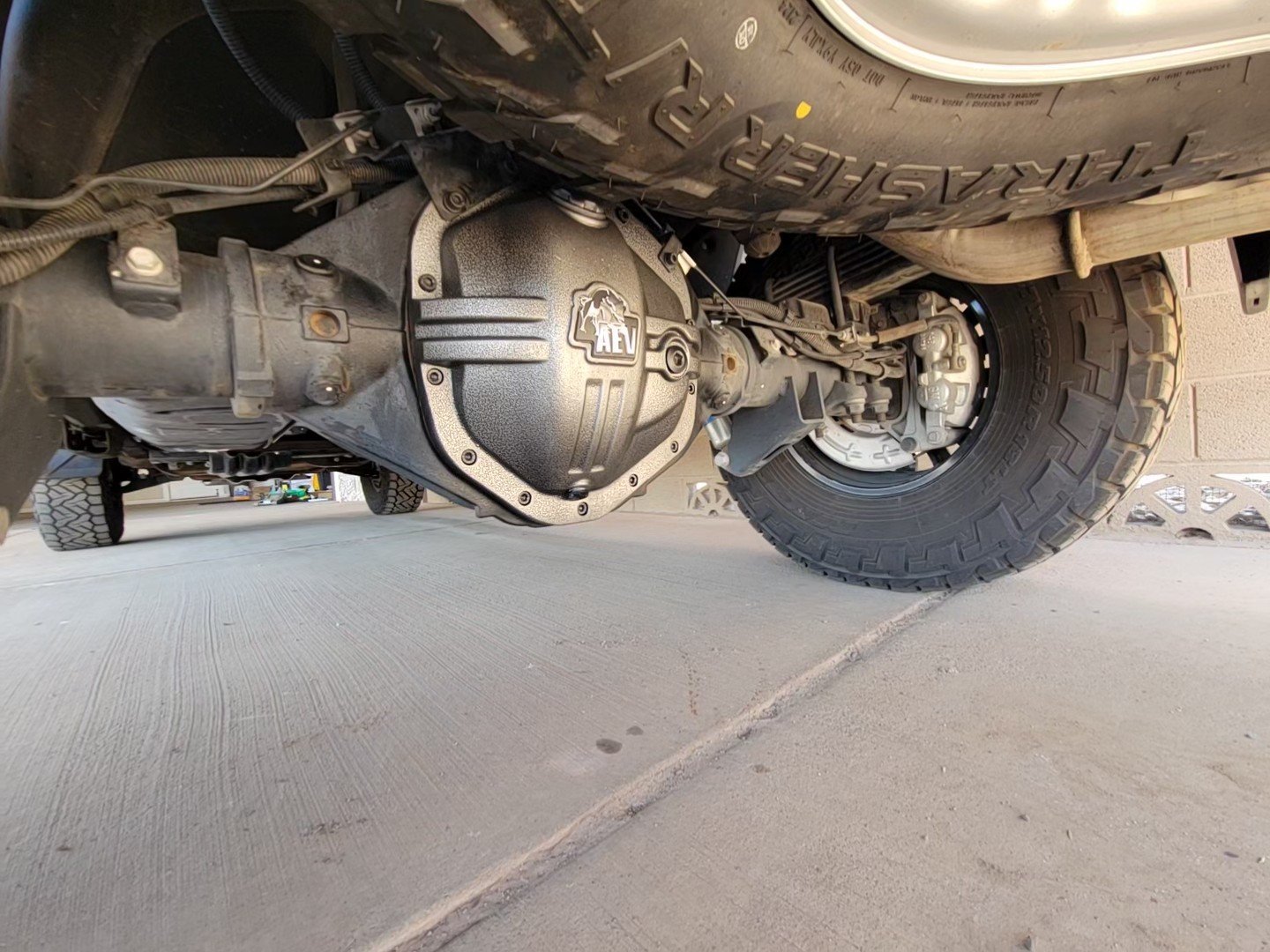
Service manual say 0" to 1/2" down so if you fill even with the hole you are fine. Who knows what the volume is at the two different levels but its not significant. I bought a Banks cover and it is going to require 5+ qts. I bought into the hype of the shape of the cover on the Banks not causing aeration.5 points
-
5 points
-
Gonna need taller boots cause its getting deep. This is a truck enthusiast forum - if I wanted to here this crap I'd look a thousand other places before here. Friendly reminder why there is a block function.5 points
-
Had a talk with my doctor yesterday, I've been feeling very well. Surgery was cancelled, see how I do.5 points
-
Keep changing it until it is a good red color.5 points
-
I'm "rebuilding" a 6.0 for my Foxbody LS swap project. No idea on the miles or anything, just that it was a sludge monster lol. Lots of skipped oil changes from the looks of it but the bottom end seems solid and the camshaft/lifters had no defects/bad lobes. Hot tanked the oil pan and cylinder heads to clean them up and waiting on a full gasket kit to put it back together for the most part.
5 points
-
Step 1. Get off the internet step 2. Drive your truck I hate to say this but it’s alarming the amount of 60+ year olds nowadays who are obsessed with the internet and think some random google searching is the answer. My own father who is 72 is obsessed with checking Google for everything now. 10 years ago the guy didn’t even want to text. Now he thinks Google is the answer to everything. It's a real problem nowadays. You have a truck that has not given you any trouble but now because you have been scrolling the internet you have doubts now? See step one above.5 points
-
5 points
-
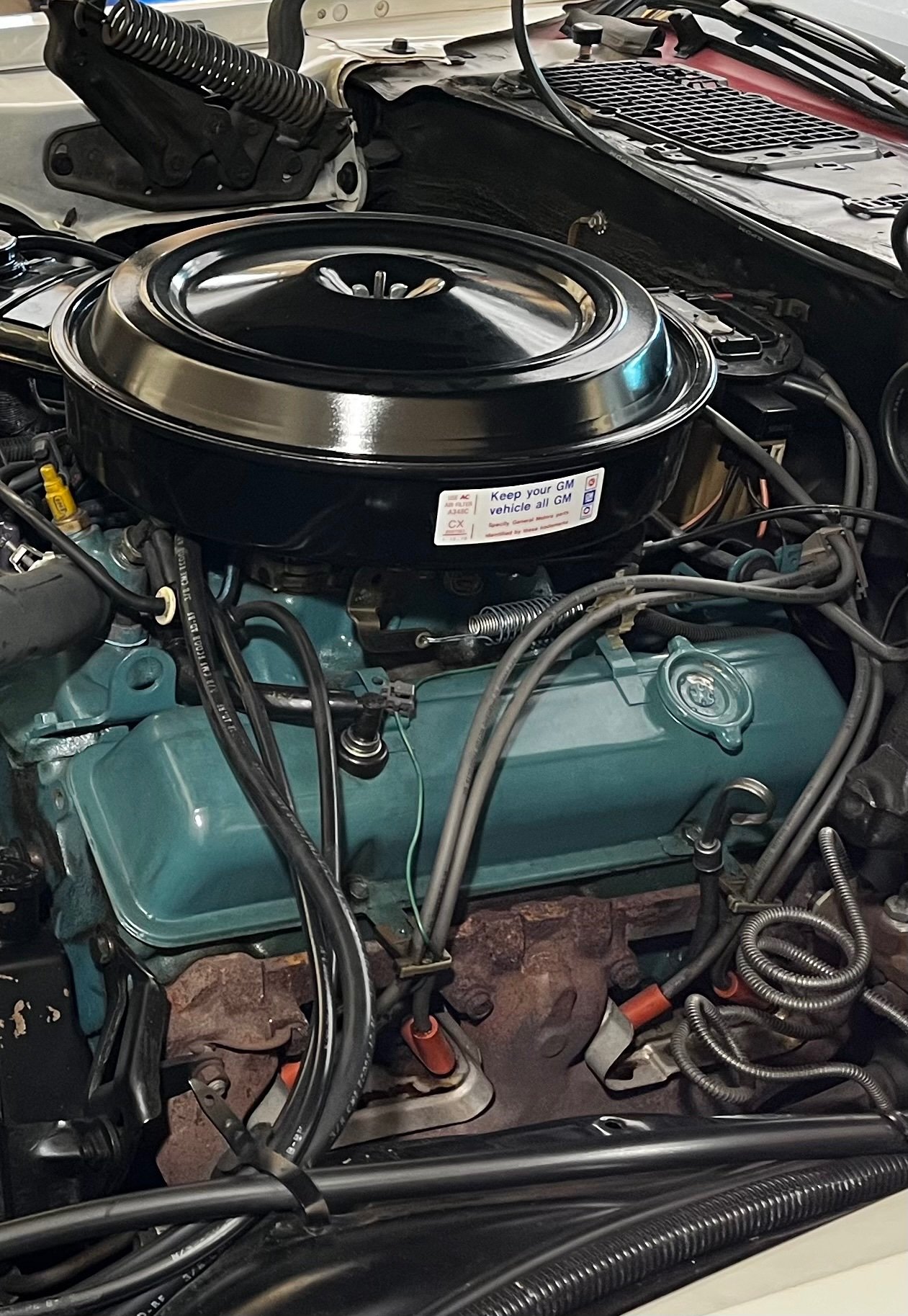
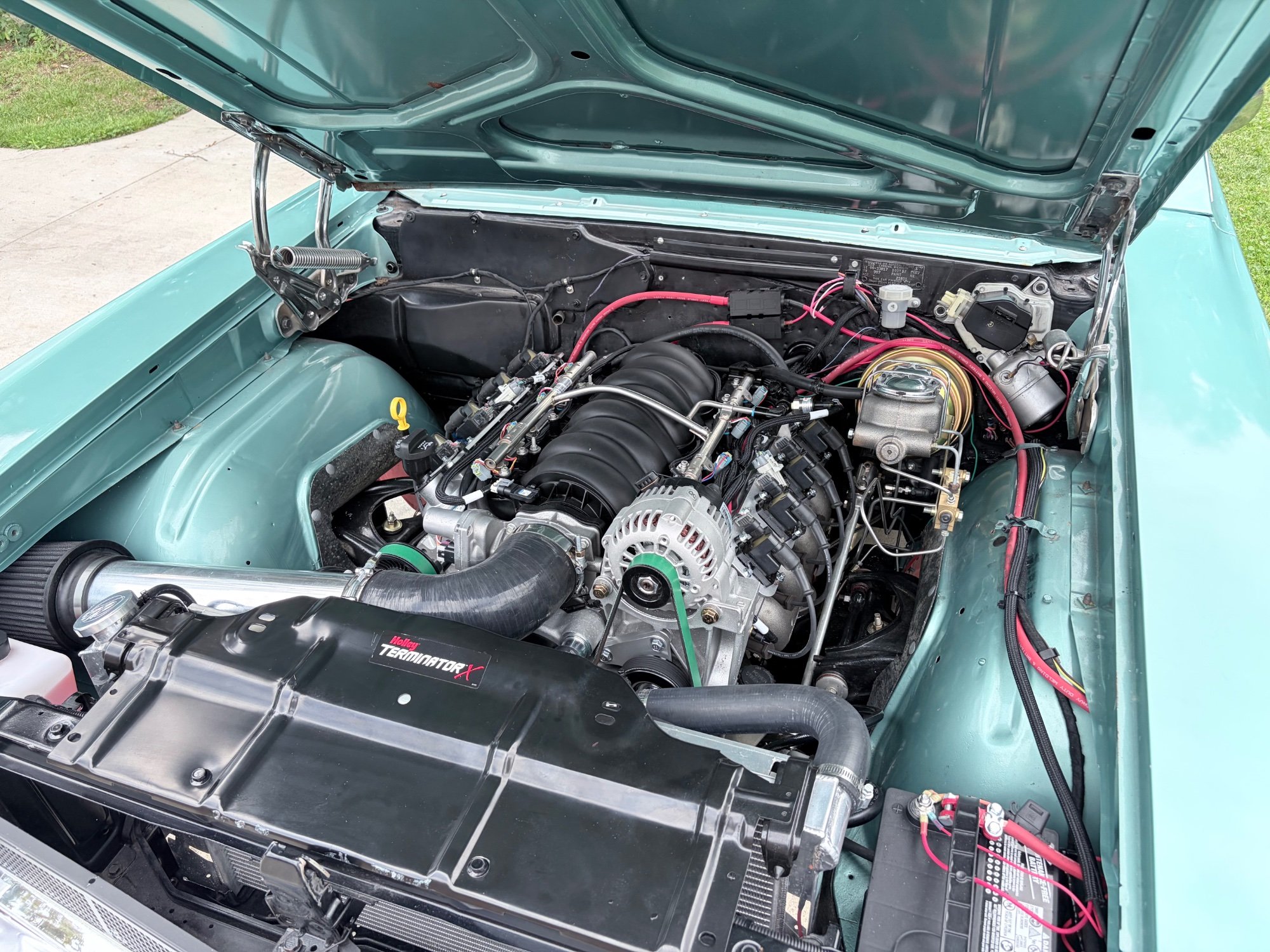
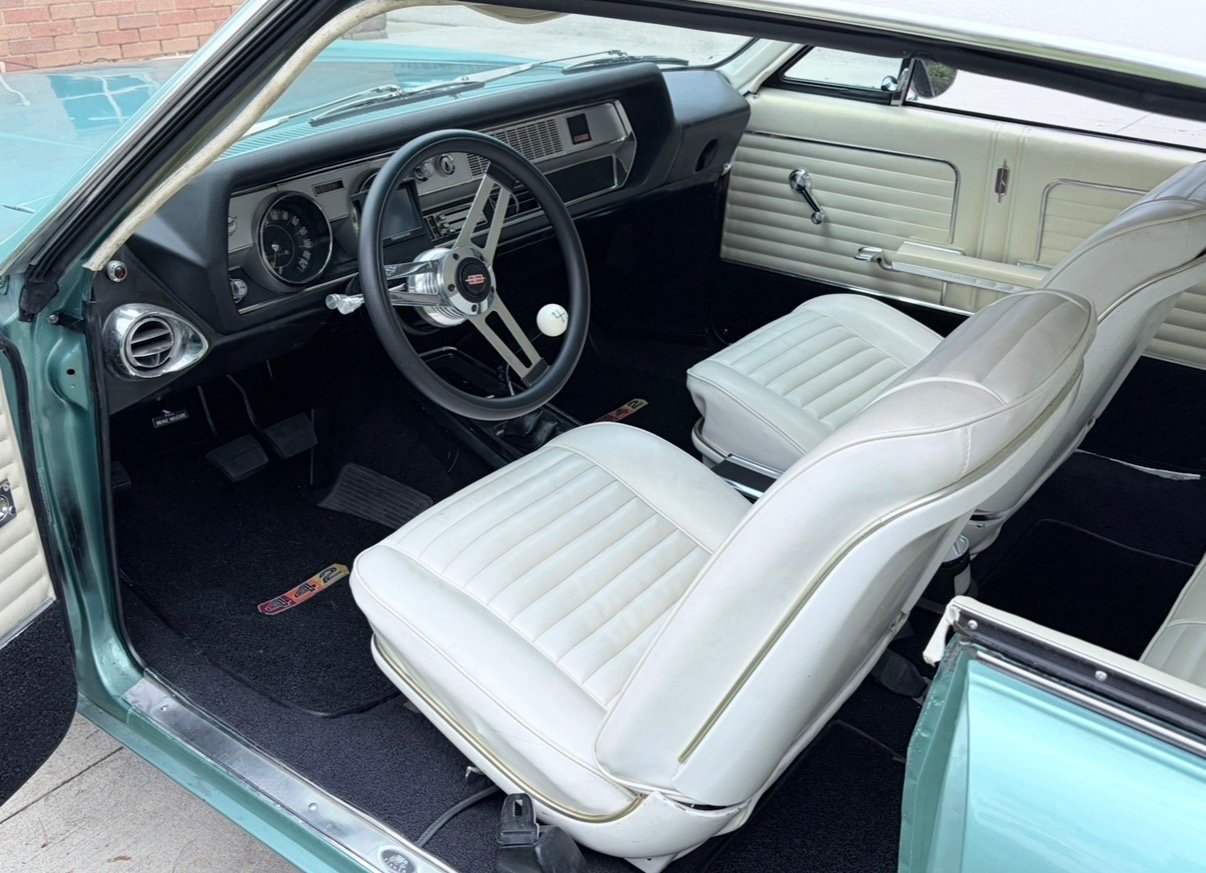
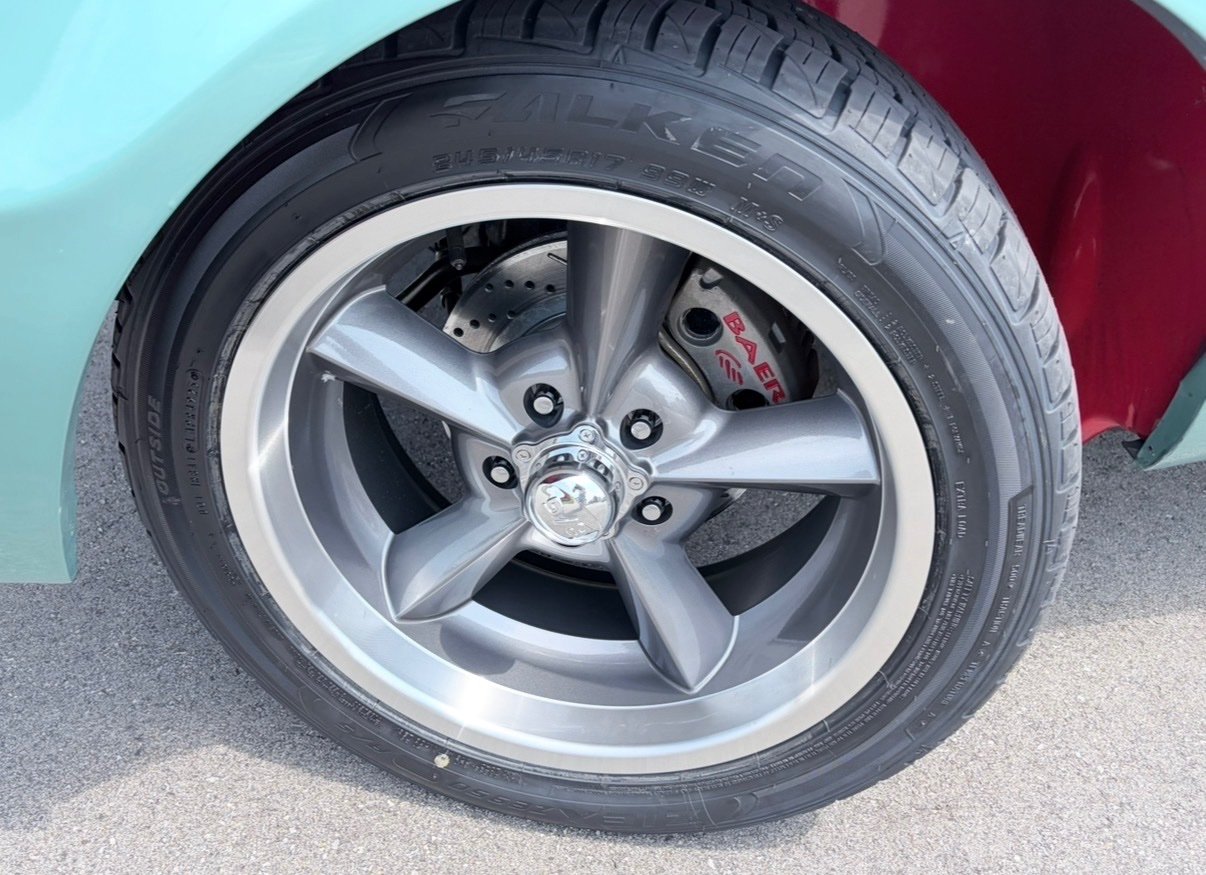
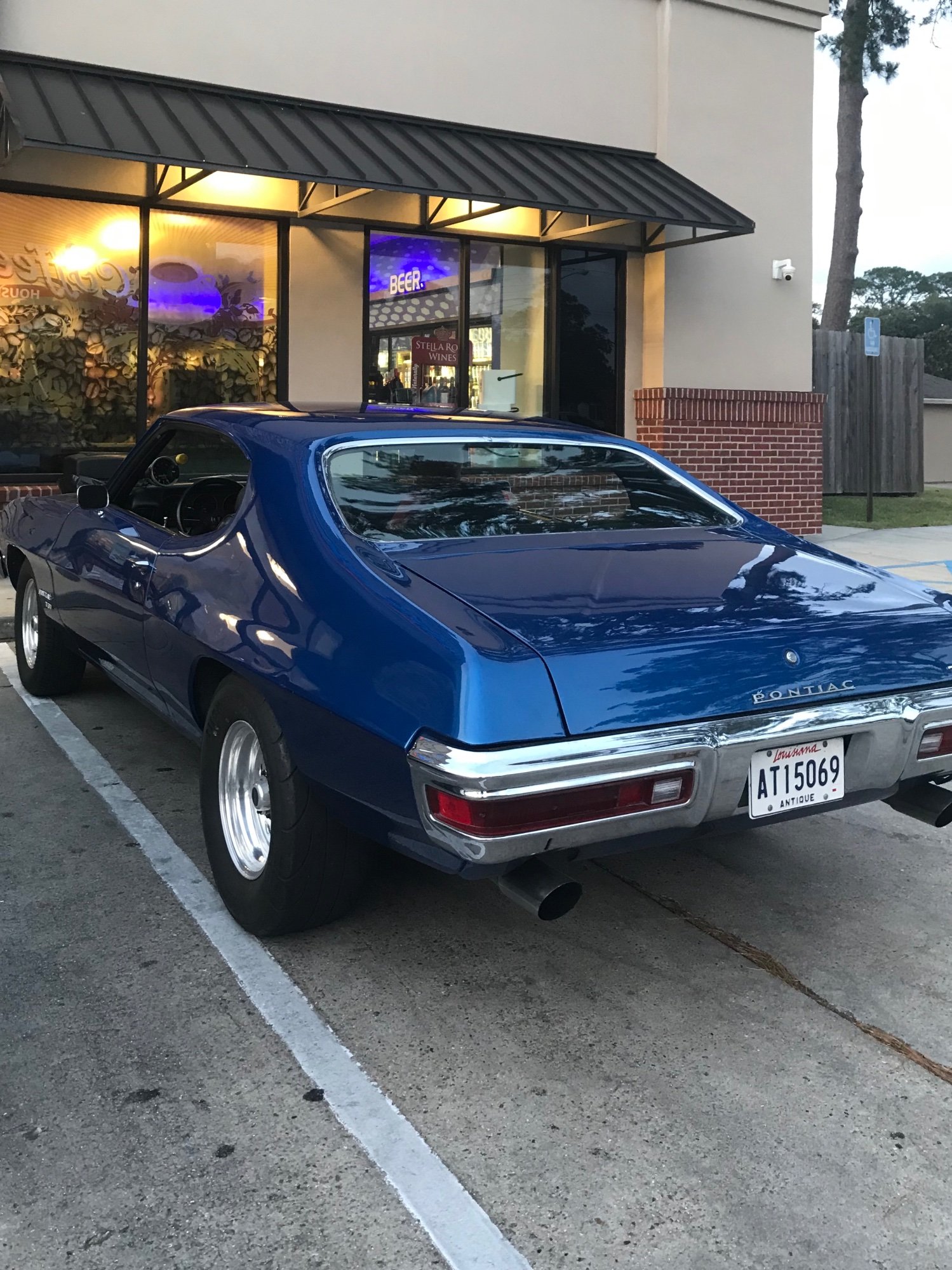
I’m really not too afraid of this thing either. 1971 Pontiac LeMans I bought in 1985. It WILL drink gas though as it’s around 630 hp and 610 tq with a 3 speed trans.
5 points
-
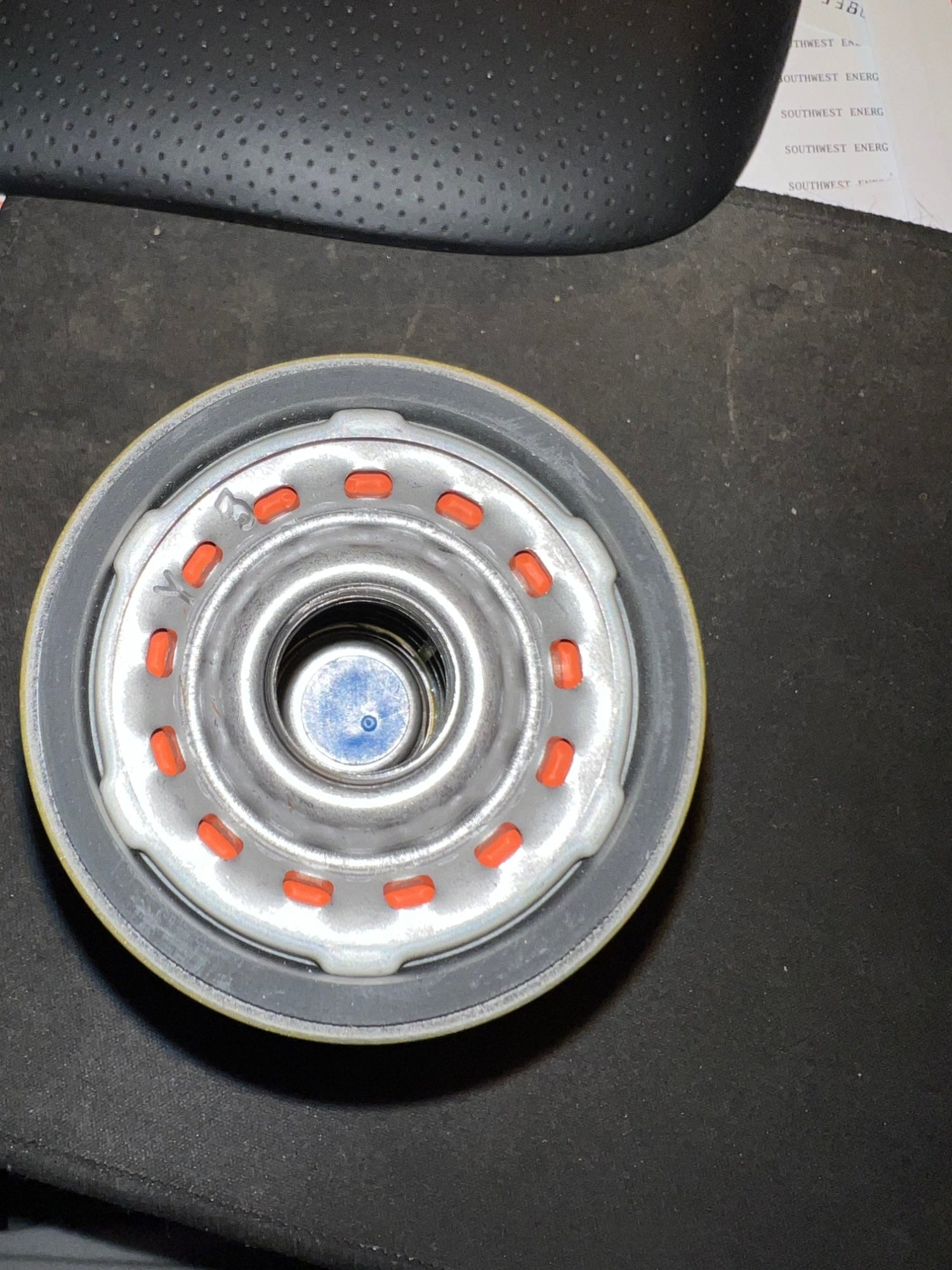
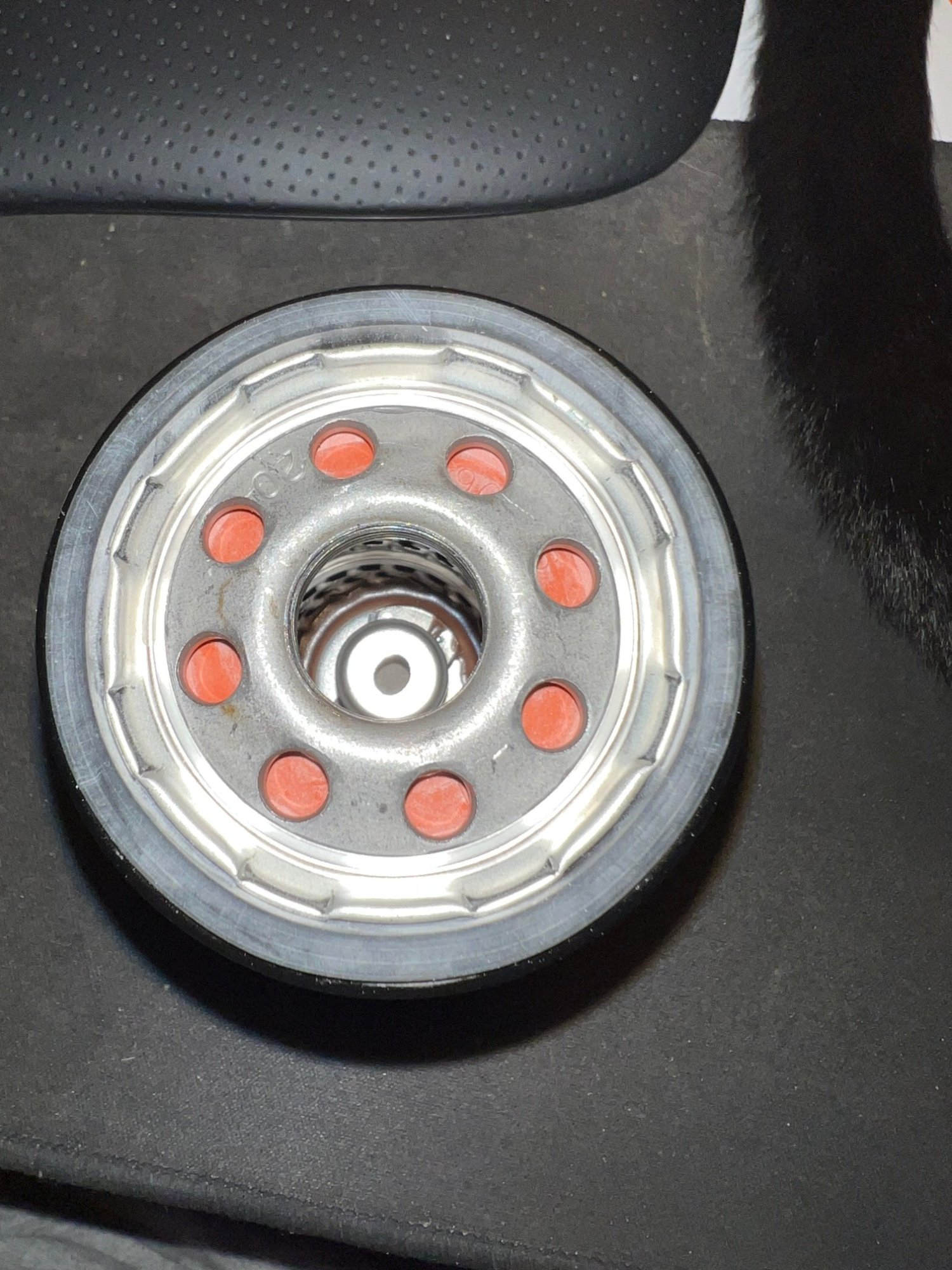
Looks like Fram Ultra Synthetic for XG7317 WIX filter for same application. Cat tail not included... After I use each one, I'll cut them open and post pics
5 points
-
Look no further than the boat world which is mostly what I do for work and fun. I have a Honda BF150 outboard on my tin boat. It’s a 2.4L Accord engine turned on end. In the car it’ll take 0w20. Probably about 5 quarts. On a boat? 8 quarts of 10w30. And it runs MUCH cooler than a car engine. Heat and fire on boats = no good. So this thing will sit at 150 degrees all day in cold water. And thus, operating viscosity is several times higher than what even 10w30 would be in a car at higher oil temps. My buddy has marinized 6.0 Vortecs in his boat. 15w40 is the spec. Truck 6.0 gets by with 5w30. My other boat had twin 5.7 MPIs. Basically a 350 Vortec from the 1996-2000 trucks. Forget 5w30, they called for 25w40! And these were engines that ran at 160* and oil temps not much higher with freshwater heat exchangers. Why so much viscosity? Because boat engines are LOADED all the time. It’s like driving up a hill that never crests while towing a trailer. What’s my point? Marine engine manufacturers, especially 20 years ago could give two ****** about fuel consumption. Protecting the engine was the only concern, and viscosity WITH high zinc oils were and still are the way to get there. No, I’m not saying these same engine’s in the automotive applications are nearly as taxed all the time. But in certain situations their lives can absolutely be much harder. Towing heavy with lower viscosity, low zinc oils at higher temperatures is asking for trouble. Match the viscosity to your use and climate. If you tow or race, step up. If you’re in the desert step up. Doing this within reason means all you lose is slight efficiency and you can gain engine life. FWIW my truck is tuned and pushing extra boost. I went up to 5w50 and have a wear rate 62% lower than the Blackstone average for the platform. Grumpy was proven right via my testing. There was no blind faith, just science.5 points
-
Because the OEMs are obsessed with telling us NOT to. No such thing as lifetime fluids. You should have seen ATF in a 6 speed from 07-15 after maybe 30,000-40,000mi. You'd be insane to keep running it beyond that. The severe service schedule for GM trucks is every 45,000mi for transmission. 90+% of vehicles just based on where they are located fall under severe service (extreme temperature swings during the year). Factor in driving styles, habits, short trips, long trips, towing, heavy payloads, etc. Also... its not 5year/70,000mi powertrain warranty. All GM gas cars and trucks except for the 2.7 Turbomax are 5 year/60,000mi powertrain warranty since 2016. The Turbomax for 2024-current has the 5 year/100,000mi powertrain warranty, same as the 3.0 and 6.6 Duramax. Shorter oil change intervals for engines, transmissions, differentials and transfer cases has worked perfectly fine for decades prior, no reason those same practices can't still be followed. Especially engine oil changes. VVT, AFM, turbocharging, low tension rings, tighter tolerances, all the MORE reason to change oil more frequently as long drains can increase deposit rates and carboning.5 points
-
I suppose one consolation is that GM still recommends 5W-30 ( and no doubt for a reason ) for the HD gas trucks and the prior 6.0 gas, where as for a number of years now GM has called for 0w-20 for the half ton V8 engines. Also that GM with the L8T calls for a full synthetic oil which basically a Dexos 1 series 3 oils are. There doesn't seem to be much on the market for a Dexos 1 oil that is thicker other than the 0W-40 from GM. Having said that and that would be Grumpy Bears topic of knowledge, as to oils that meet the Dexos 1 spec and although are listed by the manufacturer as a 5W-30, are on the high side of a 30 grade viscosity at the high end of the operating temp spectrum and a more sheer stable oil. I believe he mentioned High Performance Lubricants brand oil but I don't know if its even available in Canada. There is another aspect to any of the off the shelf typical oils easy to find ( Dexos 1 spec in this case ) and that is to change the oil more often than what these long drain intervals are suggested by the vehicle manufacturer. Fresh oil that is not sheered down and has all its additives is always going to protect better than oil that has a questionable life span left.5 points
-
The L8T is classic GM malaise wrapped around a package that could decimate the competition. Always sub par in stock form. Always a world beater with the proper hands modding it. Look no further than GMs own L8P crate engine with a itty bitty baby cam and some 91 octane That's a 30.4% increase in horsepower and 17% increase in torque from barely opening the valves a touch more/longer and taking the brakes off the tune. The reality is the L8T is designed solely for fleet reliability and fuel mileage, just like the previous 6.0 was. Add in terrible throttle response and a lack luster safe overly rich classic GM tune, and this truck is a dog. Tuning is probably my next big spend. Just a throttle modifier makes this thing feel like a different engine.5 points
-
We had one of these when I was a kid
5 points
-
Although the website says it comes with a magnetic drain plug, it does not. It also says it reuses the "stock magnetic fill plug", which it isn't (magnetic). The instructions online and with it are strictly for 19+ Ram. They didn't bother to edit them for the GM twins. Maybe this is why they think stock is mag fill. Either way their crappy drain is not mag as advertised. Skipped their crappy powdercoat slag filled hex drain and installed magnetic IP-03X Gold Plug that I had bought for the transfer case (and painted it so it wouldn't shine against the hammertone grey). Other than that, nice cover, looks great, heavy duty but overall 3/5 on execution for the things mentioned. Especially because they are well known for OEM fit/finish and the integrations with GM at grand scale and especially because this cover isn't cheap and is at the top end of the competition. Cover was heavier than ****** to lift up there under the truck. Had to use a floor jack to assist. Thing is iron and ROBUST. Large fill port up top is nice especially because I have a 37" spare and room is tight. Still clears though. Took about 4.5 qts to fill (75-90 FM). The flex pack gear oil is a must. P.S., F-you to AAM or GM or whatever dumbass thought it was cute to put red thread locker on each of the 14 f-ing bolts (& the 12 up front). A speed ratchet would be nice here. Cheers.
5 points
-
https://floridatorqueconverters.com/Torque-Converter-77-JMBXSD.html You haven't killed it yet. But keeping the GM converter will assure you will. Have you done the 70C TBV yet? Have you been diligent about fluid changes on the severe schedule? 30K intervals? Heat and a weak converter clutch cover kill them often and hard. Clutch frags, eats the pump, clutches, valve body. So if it's doing well, do the upgrades, do the services and drive the current ride into the ground. Way cheaper to keep her and the upgrades and services way cheaper than a new or even rebuilt unit.5 points























.thumb.JPG.2707f5cf70ec02838ebf5bc9a9c2f7dc.JPG)










This leaderboard is set to New York/GMT-04:00