
Leaderboard

Popular Content
Showing content with the highest reputation on 08/19/2018 in Posts
-
Chrome trim removal on the doors. And all terrain bad taken off today. Much cleaner look! Sent from my iPhone using Tapatalk2 points
-
Finished a couple weeks ago Sent from my SM-G955U using Tapatalk2 points
-
Thanks for the help. I just ordered all the parts when I get the in I will be ordering a harness off of you once I find out what plug I have1 point
-
I took the top plastic piece off and put it down inside there, taped the metal parts so they don’t make noise, put top piece back on. Sent from my iPhone using Tapatalk1 point
-
I got a 15 Silverado what to do the center console but I have the silver trim on the doors would like to know what color they call it thanks1 point
-
That’s good to know, yeah I knew it would be a heck of a stretch... Full lift it is then! I’ve seen a couple of trucks with that lift and it looks fantastic! Best of luck, and thanks for the quick reply [emoji106] Sent from my iPhone using Tapatalk Pro1 point
-
Made mine put in some work today... 576 miles total. 12.8 mpg average (deadheaded 260 miles). Hope I can give it a bath soon!
 1 point
 -
Went down a mountain trail today after me and my wife went for a hike1 point
-
2015 GMC Sierra SLT. Rough Country 2" Leveling kit. 20x10-25 Wheels, 32x11 Toyo Open Country A/T Tires.
1 point
-
My Snuglid SL came in. Opted for remote unlock. It's amazing how nice painted fiberglass looks on these trucks.1 point
-
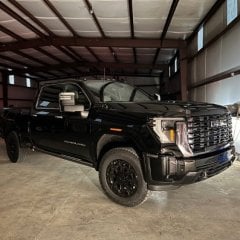
What is this topic about? Tundra? Ford? Oh, wait it was about Cmillerjr's AWESOME, brand spankin' new, 2019 Black TrailBoss.1 point
-
I grew up on Phillips Trop-Artic 10W30, Ford and 2500 mile oil changes when one could buy a case (24 quarts) for $12 following Dad and Grandpa. In that day a motor with 60K was a trader and one with 100K...well...those were walk by cars/trucks. Thing is Dad and his brothers were not having much trouble getting three times that much mileage of an FE based Ford. 239 Flatheads went 600K to a million. I saw the internals of some of those motors when dad would drop a pan for an oil pump. Impressive. Unlike me, Dad likes to drive fast. Even at 90 years young 85 is his slow lane. Boy did things change after 1970. The heat of the first generation SMOG motors was an oil killer. Thing was there wasn't ready access to synthetics yet and the ones that were, problematic and oil changes sooner than 2500? Oil prices were creeping up and motor life was again just average with 100K being a walk by. When I got out on my own and started refining I gained access to a whole new world. Refineries have some pretty impressive laboratories. Oil and Fuel. I had a front row seat. Did two three year stints in Research on TDA's. Now there are some lab rats that would make MIT blush. Should too. Head Rats in charge of the cheese had multiple Doctorates from places like MIT, CSM & Oxford and with a much larger bank roll than any University. I got to see this stuff at the molecular level. Everyone's stuff. Well retired a decade now and as fast as things change Conventional oils use to have some serious differences in their base, that is ash, sulfur and wax content. You could have given me a Pennzoil Well back then and I wouldn't have run it in a lawnmower. Better living through chemistry they say and today those issues are nothing but lingering memories used best by marketing types and old wives. Entire sections of plants built to remove and standardize products. And yet the best of the best are still ground crudes with their inherent limitations. Add packages have not progressed as far as some would like to believe. Same basic chemicals are being used today that were used 40 years ago. Variance is mainly in concentration and packagers specific selection. Major advancements in oil have come with synthetics. Even synthesized crudes such as Group III's that are just H2 full and finely cut are a good bump up but POA's and Esters are lightyear jumps. Today the problem isn't knowing what a good oil is or even how often to change it. The problem is getting these LIARS to tell you what's in the bottle and no sir, SYNTHETIC doesn't tell you spit because these LIARS have corrupted the technical language to the point the word hasn't a meaning that is definite nor reliable.1 point
-
Absolutely correct, I change mine using only Mobile One oil and filter every 4-5K. My first oil change was 1K, second was 2500, third (just yesterday) was at 7K. My rear ended was changed out at 5K with Amsoil. I have a couple buddies that buzz around me when I’m selling trying to get me to sell them my trucks cause I maintain them very well. You’ll have a very dependable vehicle if you maintain them before manufacturers recommendation especially making sure you use a top notch oil filter like Mobile One. Sent from my iPhone using Tapatalk1 point
-
1 point
-
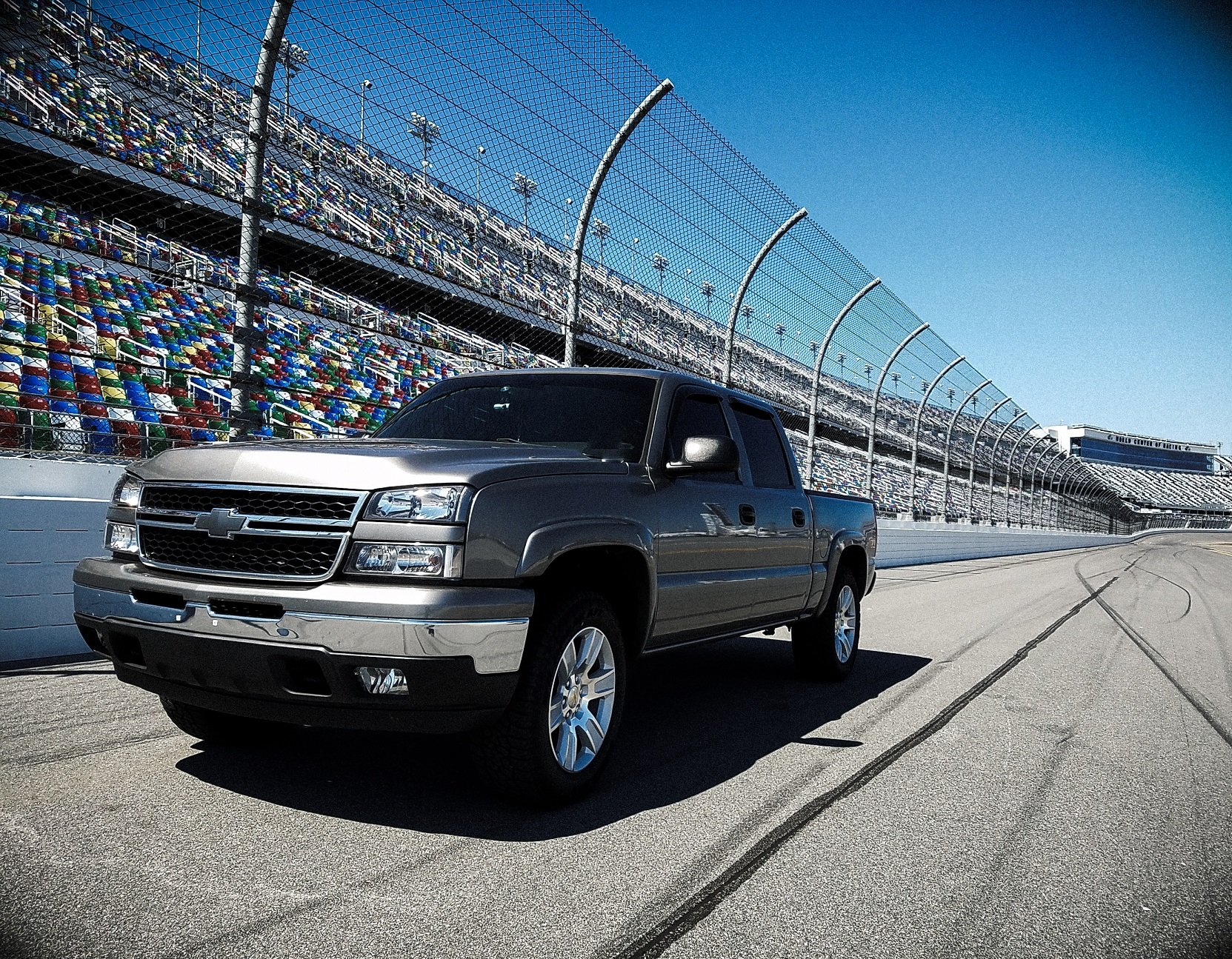
Spent some time at Daytona this weekend.....
1 point
-
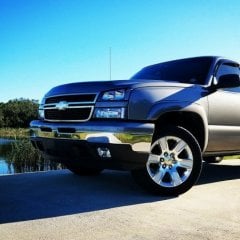
New wheels and tires with a level.
1 point





.jpg.055555025ff29ebbb37ab4a02ea4f168.jpg)


.thumb.JPG.2c573de60d3a3a4407c7d92298db46dd.JPG)






This leaderboard is set to New York/GMT-04:00