
Leaderboard




Popular Content
Showing content with the highest reputation on 08/04/2026 in all areas
-
Its no wonder you've gravitated to the oil types and brands you have in later years after trying certain brands and one being a specialty oil or at least very hard to come by up here and the other would have been a commonly found oil of the era and the vastly different outcomes as a result to using the vehicles in question the same distance for an OCI . It shows what marketing hype can do without actually having the product to back up the claims and that is no different now with the insane claims that are written on the side of a bottle of oil from some of the off the shelf oils. What has surprised me and I was already finding this out before I bought my truck with the GDI engine, that this newer fancy technology that seemingly would suggest better fuel economy/emissions with this high pressure spray of fuel is not in reality kind at all to the engine or at least the oils life. Yet they insist on claiming long OCI with this technology just like they did with the port or similar type fuel injection systems when in reality its a step back in oil life to have a GDI system. I think the mistake your making Grumpy is that your not sending your samples to Blackstone and getting the feel good glowing report that you can run it another 1000 or more miles and then send another sample where they say run it yet another 1000 miles and on and on it goes until your sending in something that looks a lot like road tar and then they may suggest you change your oil within the next 1000 miles2 points
-
I plan on it next oil change. The Ridgeline is about due for an oil change probably next week. 39$ for mobile one. They claim a complete inspection. Brakes are getting close. Timing belt is coming up and the lower control arm bushings are wearing. I want to see what they catch and the cost. They have a five year 50K warranty. After the oil change I’ll check the plug and filter as usually do with a new place.1 point
-
That's always been my understanding/practice as well. Low range gives you more torque - if you're traction limited and more torque isn't going to help, and could make it even harder to get traction, then high range can be more appropriate.1 point
-
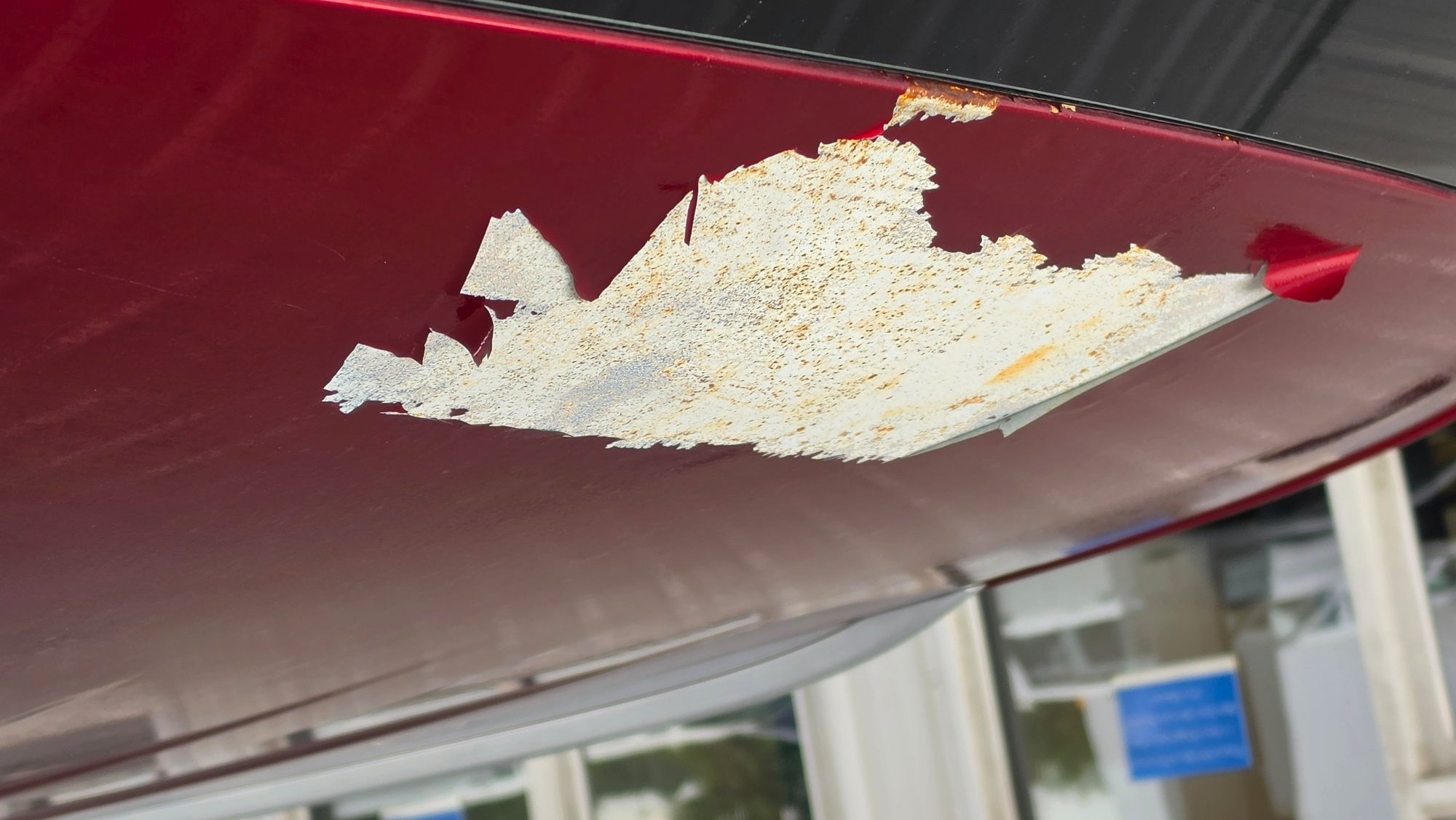
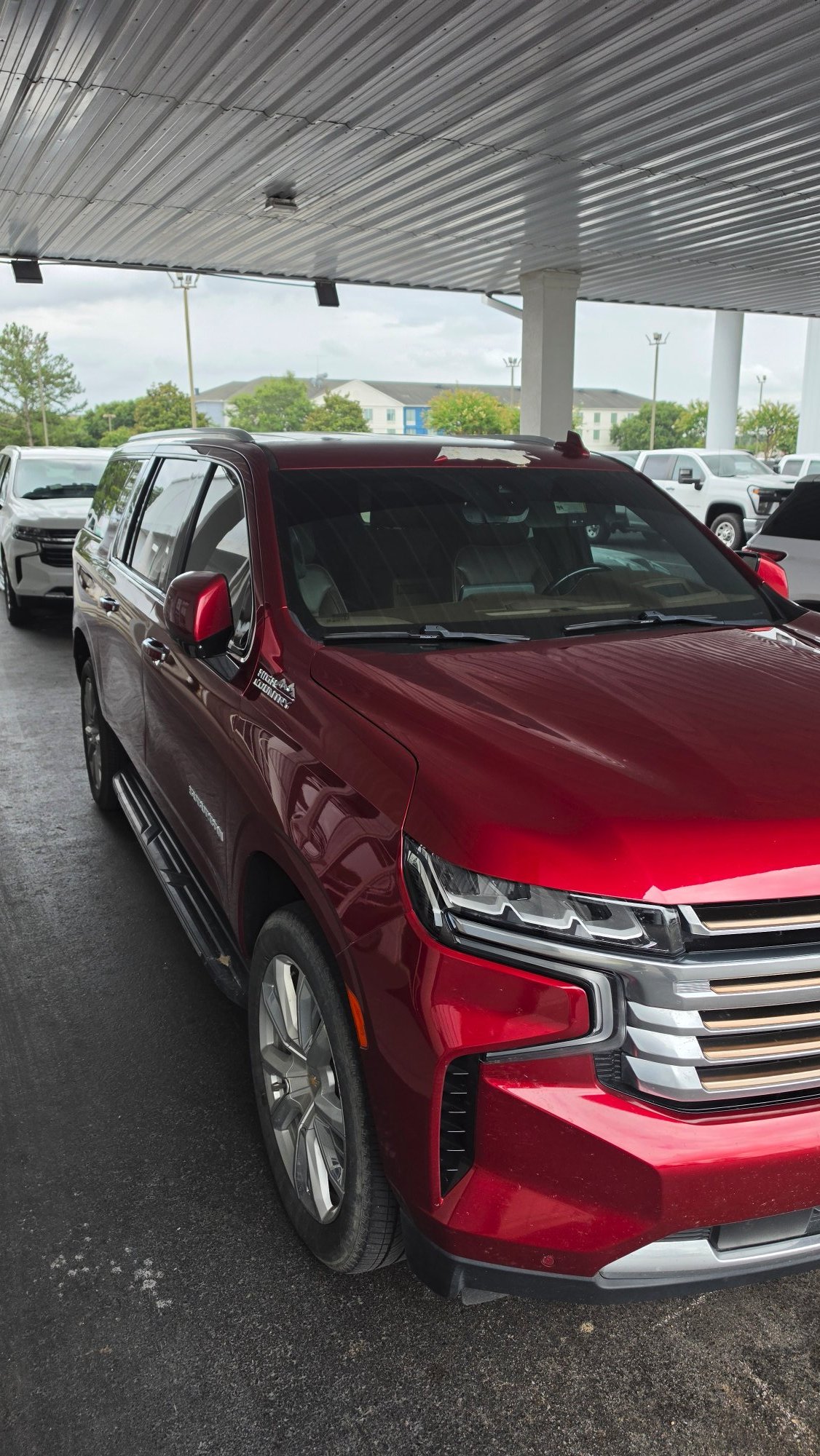
Judging from the rust, that's impact damage that has spread and has been rusting out the roof. Something chipped the paint right at the windshield edge where the heavy rust is and its just been spreading. The rest of that roof looks like bad sun damage and lack of protecting it, or some sort of acid rain damage.1 point
-
With large equipment or deep mud it is more of a use the higher gear to avoid spinning tires, getting stuck because of spinning tires and doing damage to your machine. The idea is if you run out of torque before you spin tires you can still downshift for more torque. If you are just spinning your tires in the lowest available gear you are stuck and things break. Automatic transmissions, traction control and electronic transfer cases change the calculation a little as you the driver have less control over each piece.1 point
-
I agree, there is no one answer fits all as every rig is different, one may be pulling some little aluminum fishing boat while another is towing a monstrosity that weighs a lot and hopefully the owner if the rig has some prior experience to know what drive mode they should choose. It also struck me and this is from watching a few of those boat ramp escapades videos in the past, Ford being one of the vehicles that has the auto front axle hubs and sure enough its found out that one hub has crapped out and won't engage and may not have manual hubs to even select on both sides so they are on the boat ramp stuck with no four wheel drive and spinning .... they flat out need a tow to get up the ramp and deal with the vehicles new found issues. That can happen to all brands of pickup, finding out either four wheel drive or 4 low isn't working right at the time its needed it to work as some electronic crap has failed.1 point
-
Its possible you never had the joy of the crappy boat launches we tend to have around here or really some of them are just grades down to the river if its a river scenario and the conditions change all the time with the river levels and silt deposits. Some of the lakes we went to years ago, there was no such thing as a cement pad that went down into the water that the trailer stayed on, it was gravel maybe up to the water line and then duck crap much beyond that so sinking the boat tires into mud. Of course some of the more established lakes had a cement bar type boat ramp but sometimes it was covered in green slime closer and certainly within the water and a two wheel drive had all sorts of fun if one had to touch that slime with the rear tires. A neighbor of mine had made a comment years back with his chev truck that was probably about the same year as yours but a half ton extended cab 4x4 and he a a fiberglass boat with an inboard so it wasn't a feather weight and he had gone out to one of the large popular lakes in the area and don't ask me how this happened but he was in two wheel drive as he figured he didn't require four wheel drive for that boat ramp and somehow upon pulling the boat out he twisted one of his drive axles. I suspect it must have spun and then grabbed on the cement ramp and shocked it to the degree of twisting it. He would have had the standard 8.5 or whatever it was axle housing as the 9.5 ring gear like my truck has also has larger drive axles as far as I know. Anyway he was feeling a vibration driving home and had it checked out and a shop found that the tire/hub was wobbling because of the axle had twisted so in went a new drive axle. After that bad experience he said he made sure to put it into four wheel drive to lower the stress on the rear axle. Of course that is where an HD truck can handle a lot more stress and no doubt these newer half tons with their larger ring gears probably have larger drive axles as well to match vs back in the day.1 point
-
The use of absolutes like "always" to describe gear selection, and giving free advice at a boat ramp sounds like a recipe for disaster. It's a boat ramp, not a farm, for starters. IMO gear selection should depend on the obstacle. If low range is working and this is a slower speed, controlled ordeal, I'd keep using that.1 point
-
I had a boat for many years, never had a problem even with a 2 wheel drive 93 Silvy for 20 years. Good tires, proper use of the gas pedal worked.1 point
-
I read through that and I won't lie, my eyes rolled at some of the quirks about how it can turn off the trailer braking for example but I can see how it could help control or even up the torque applied to the ground with each wheel in a boat ramp scenario. But of course what it can't do is increase the torque to the wheels if the need is there as it ends up being like driving the four wheel drive version of a two wheel drive ( high range that is ). So far the neighbor that ended up with the 3.0 duramax with the max tow package which meant the 3.73 gears and high range only, I think its been doing ok for what he has been towing but doubt he ventures off into the soft stuff with his holiday trailer. He may have towed his dads river boat locally with it ( he always used his 6.6 duramax before ), I'll have to ask him sometime if he got into a lack of power to the wheels situation as after all that engine produces a lot of torque at low speed once the turbo winds out a bit and I think it has the 10 speed and if so they have a pretty good first gear ratio at 4.70 I see which is vastly better than the 3 or four speed overdrive models of years ago.1 point
-
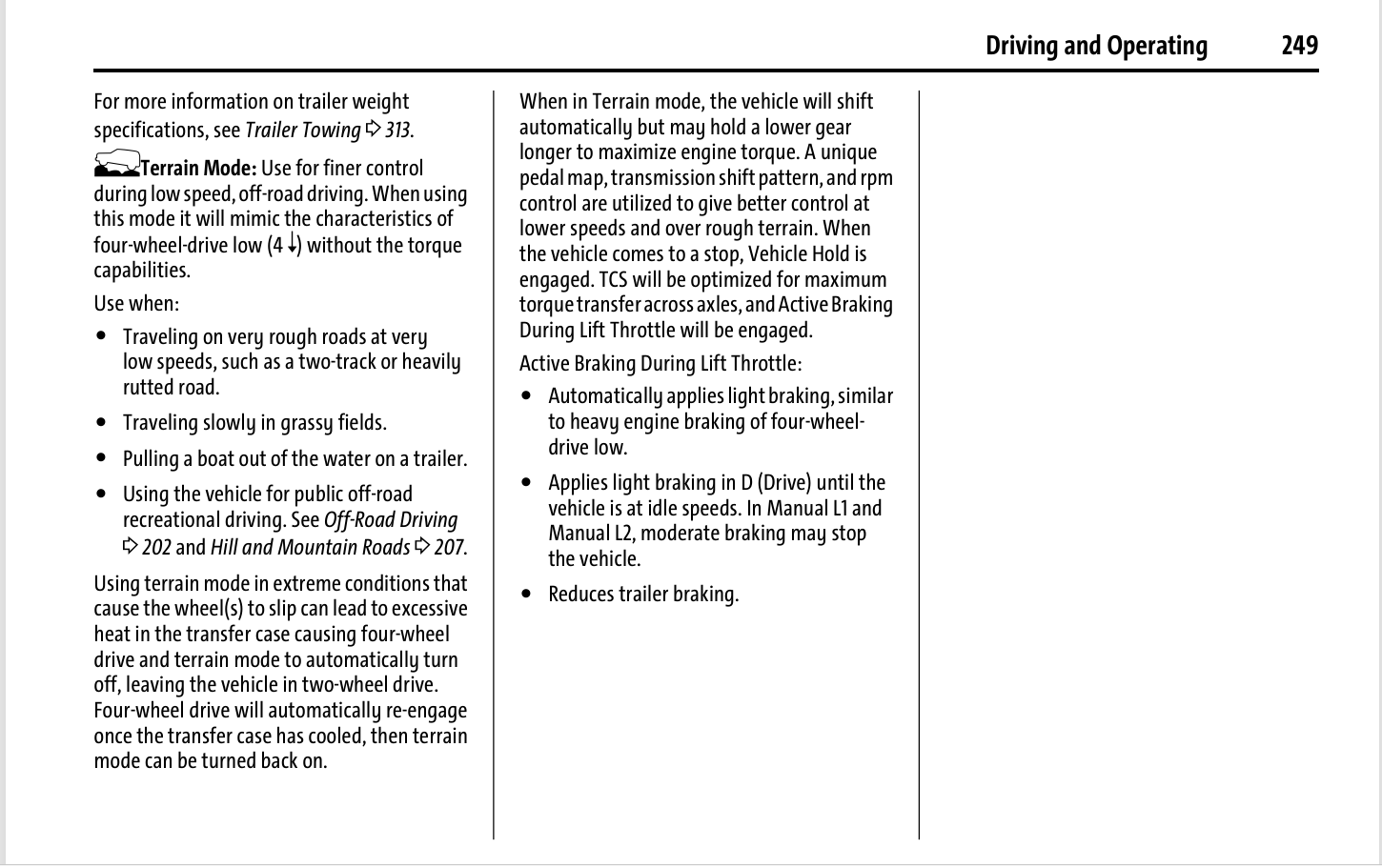
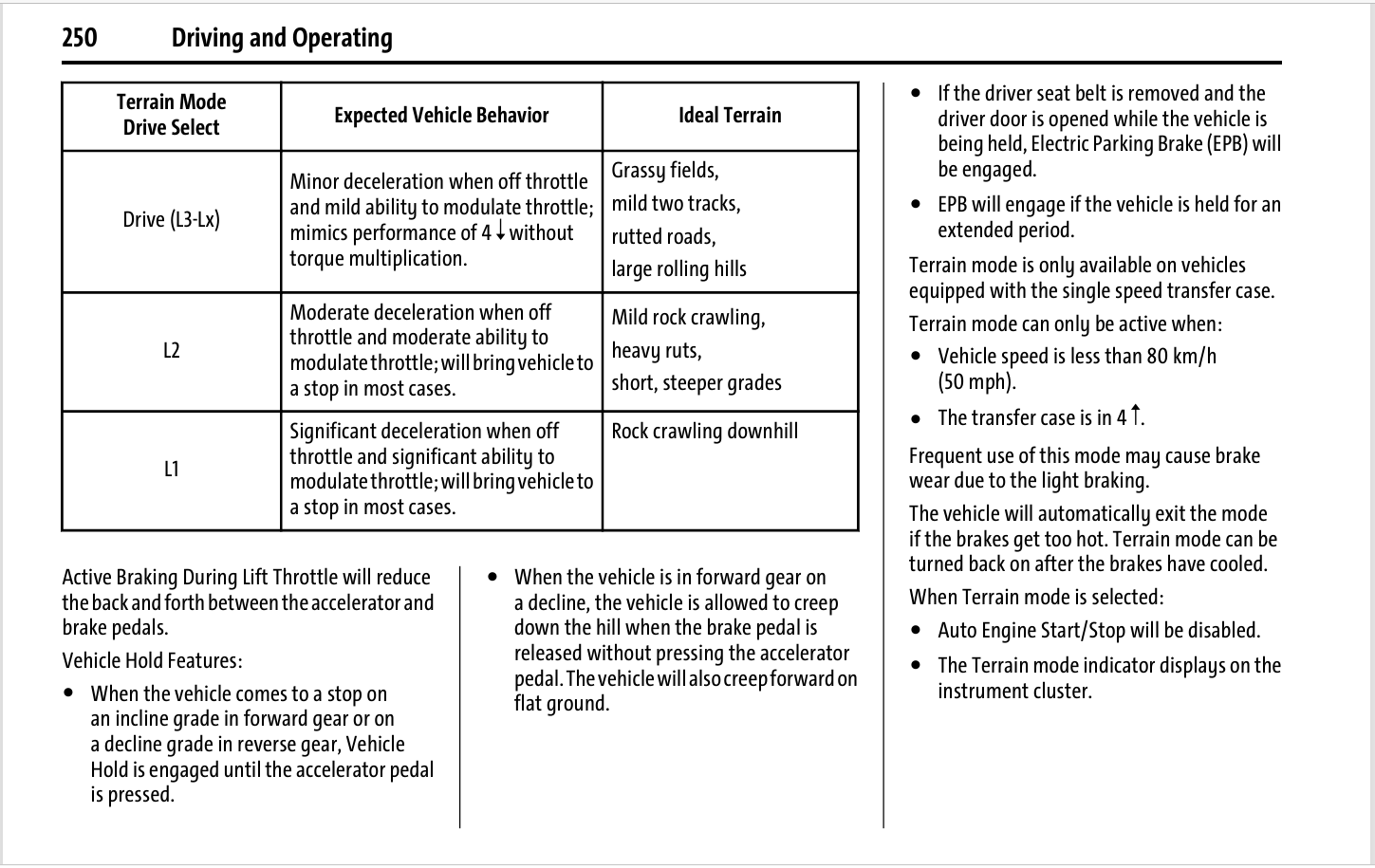
Very true. However. GM did give those trucks with the single speed case Terrain Mode. Terrain Mode mimics 4LO minus the gear reduction and torque capability. It uses the ABS/braking system to perform the operation. It also gives these one pedal driving (sort of) when in Terrain Mode via the active brake during throttle lift. Does it have its limitations over a true 2 speed case? Sure. But it works.
 1 point
 -
Of course actually engaging four wheel drive is step one or even daring to use a ramp like that with a two wheel drive and getting into a mess because of it. As to 4 low, these last few years if its a GM half ton it may not even have low range. A lot of the newer pickups have a lot lower first gear in an automatic transmission then they once did as it was common at one time for a gas engine truck or even the older diesels to just sit there and bog the engine due to the torque converter stall point and not enough torque was generated on reasonable traction to even spin a tire or get out of its own way up a steep grade and 4 low HAD to be used to get enough power to four tires to get them turning. These days traction control systems may hinder a vehicle in a situation like that although that means a tire or tires are spinning so in some ways the traction control can reduce wild spinning and anyone can correct me on that but I think some vehicles cut traction control off in low range ?. By the sounds of it and you may have the proper equipment but if your responsible for helping vehicles out if they are not able to get out under their own power, I would say to be using a nylon tow rope or have one available so that one is able to give a bit of a run to help sling shot them some initial momentum as most tow straps are made out of polypropylene and impart way too much shock load if used to jerk a stuck vehicle into motion but are totally fine to use if going more from almost a dead pull with the tow vehicle and they are a lot less expensive to replace if damaged. That and some soft shackles to hook onto closed loop tow hooks on the truck your pulling as well as you having the proper shackle insert in your truck so there are no bad accidents with metal clevises joining things together or chain on the end of a tow rope or tow balls being hooked onto etc flying and causing damage or worse if it lets go. Its always a challenge pulling people because some are clueless and will over run the tow rope or strap and drive over it or that risk of ramming into the back of the tow vehicle so usually a few instructions are needed to clue in the driver of the stuck truck. Yeah ... have fun out there1 point
-
First off use it in the way you’re more comfortable. In working in off road situations most of my life I used 4WD low range very little. In most cases when equipped I used auto 4WD. If I wanted maximum control going up and down very steep terrain I used low range. Especially if I was driving a diesel. Same with very rutted terrain. In very muddy or snowy conditions I wanted momentum so high range worked well for that. With gravel ramps with limited traction I would try high range first. I would want smooth even increasing speed if I was fighting traction. Low range could give you too much to the wheels breaking traction trying to move.1 point
-
Having owned 4wd vehicle since the 1970s I find there are varying opinions on how to use 4wd, every owner is an expert in their minds. IMO, 4LO is the appropriate gear and what I would use, You have to feather the gas to avoid spinning tires and the lower the gear the better chance. But like I said you will find those that think their method is best. I live near a boat launch. Yesterday there was a new Ford Maverick pulling out a pontoon boat almost 2x its size, they had no problems and they don't have a LO range. True story. One winter day not long ago I was coming out of small town post office and there was a F150 4wd parked in front and was stuck foot deep snow ruts. I knew the lady so I asked her to put it in 4wd (wondering why in the middle of a 2-day snow storm she wasn't). Her reply surprised me, "my husband" (the expert) told me not use that because it uses too much gas. She finally got unstuck spinning in 2wd which likely used more gas than not.1 point
-
The thinking is that starting out in a higher gear makes it easier to avoid applying excessive torque when pressing the gas pedal. In a modern 4wd truck with 4 low and a limited slip or locking rear end, I would use 4 low and try to crawl up the ramp. Sometimes if they are too slippery, you have to back up to let the boat have some bouyancy, and then accelerate briskly to get some momentum to help you pull the through the slippery parts.1 point
-
If what you are doing works, keep doing it: 4LO (Four-Wheel Drive Low) should only be used in extreme low-speed, high-torque situations such as deep mud, heavy snow, steep rock crawling, or extreme inclines/declines, and you must follow the correct engagement procedure to avoid drivetrain damage. Intended Use Cases Deep mud or snow where traction is extremely poor and you need maximum torque to get unstuck Trucks Only+1. Rock crawling on steep, uneven terrain forum.fullsizechevy.com+1. Extreme inclines or declines where you need to control speed and maintain traction solutionsphere.blog. Heavy towing in low-traction conditions (e.g., deep sand, ice) carclubsusa.com.1 point
-
1 point
-
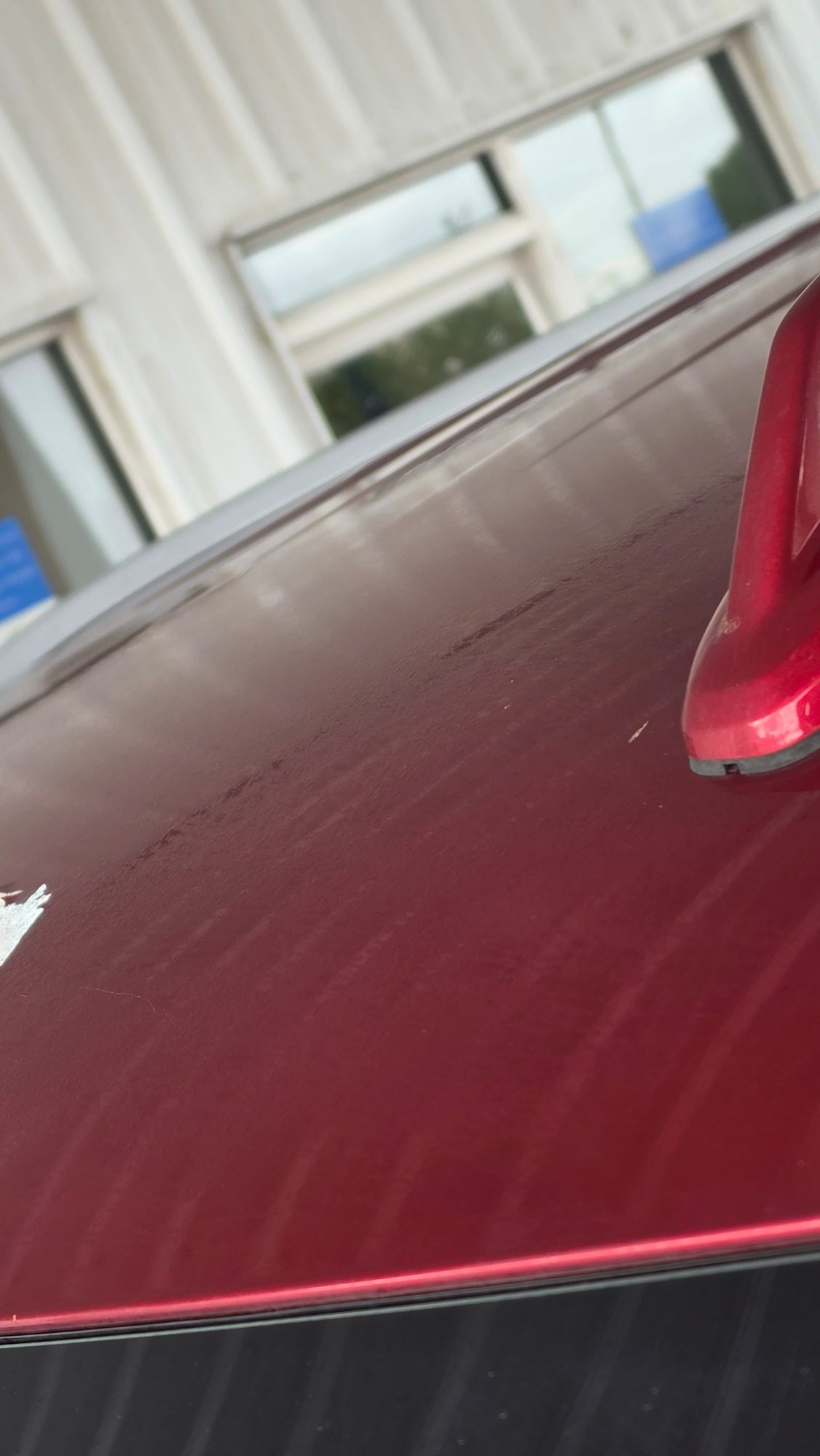
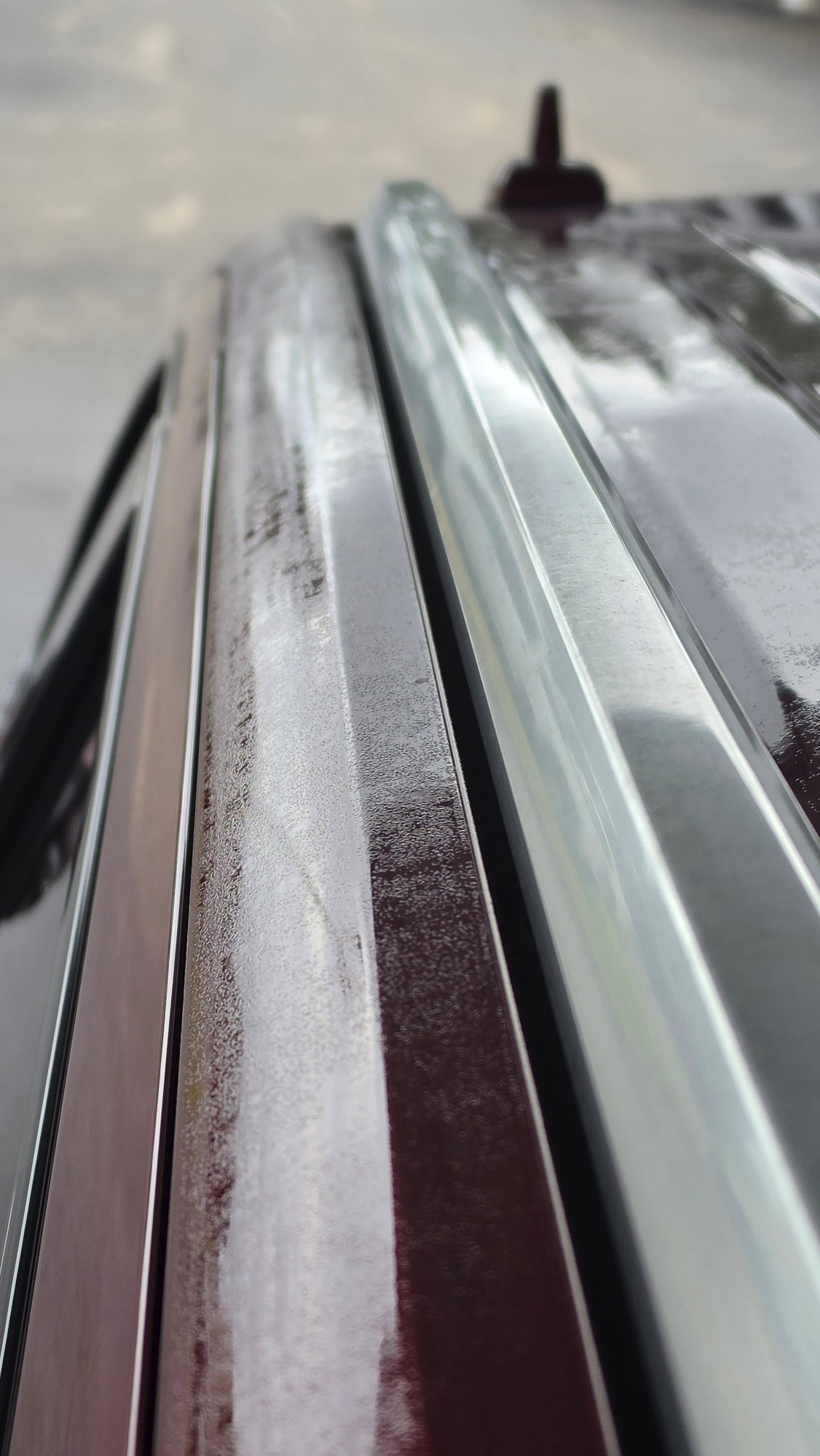
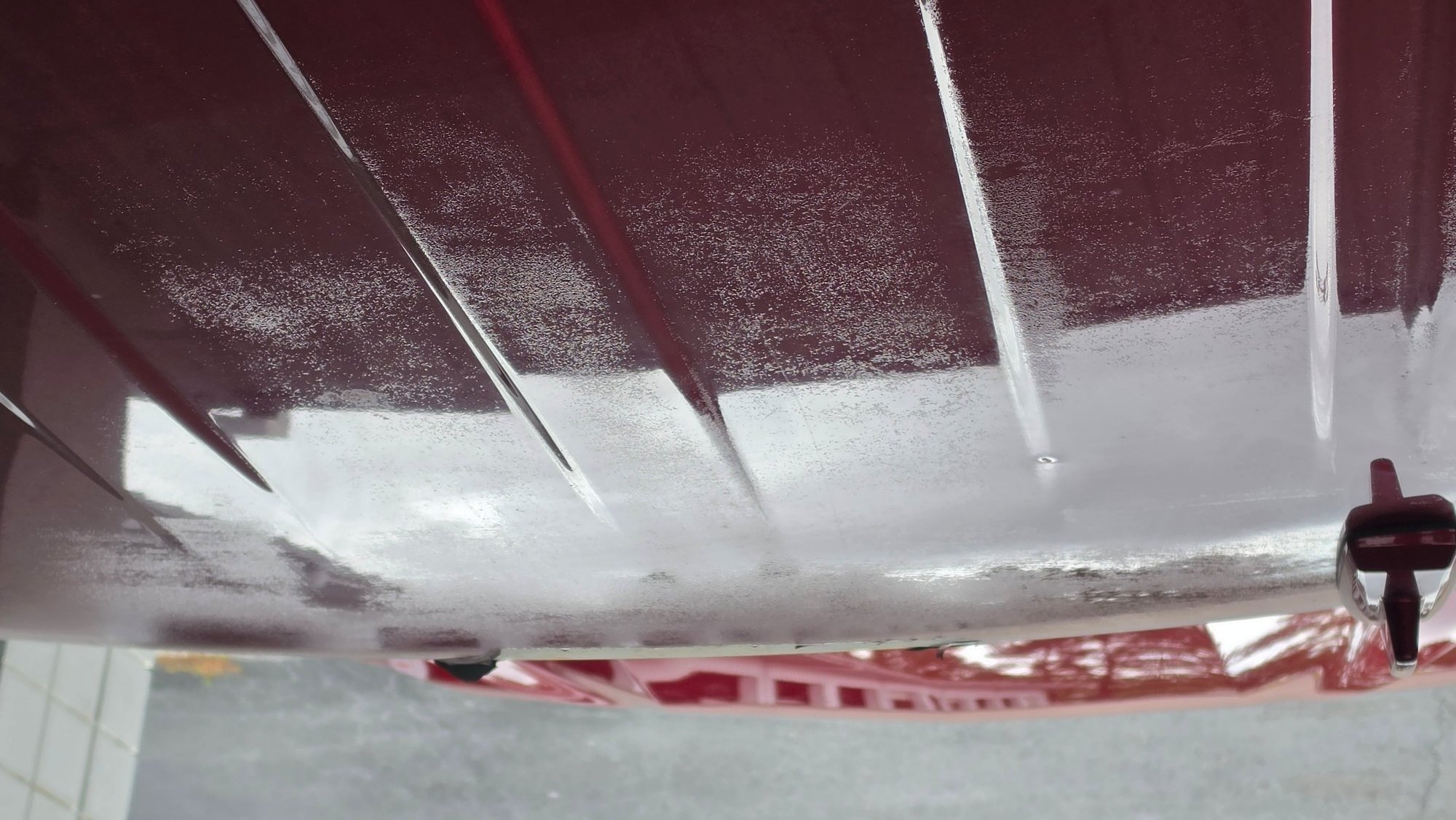
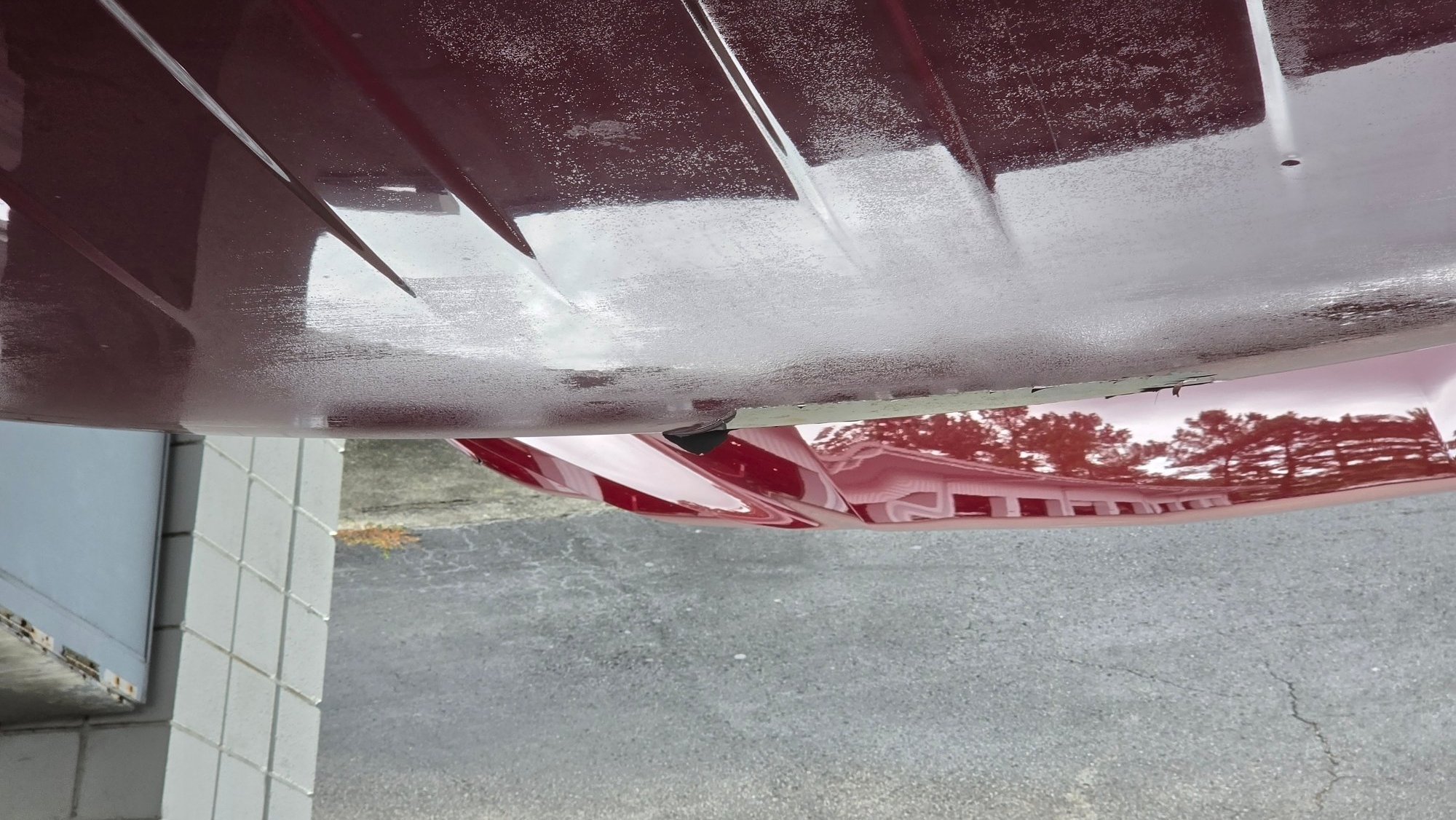
CLASS ACTION SUITS? Does anyone know if there is already a class action suit for the paint - which was to have been fixed, changed in after the 2020 GM vehicles? Does it look like this? Just started 3 weeks ago - No help from GM as of yet - Dealer will not assist in speaking with GM on my behalf. Confirmed it is the paint they use along with the way the put it on that causes it to fail. Clearly a Manufacturer's Defect.
0 points






This leaderboard is set to New York/GMT-04:00