

Gangly
-
Posts
1,333 -
Joined
-
Last visited
-
Days Won
8
Content Type
Profiles
Forums
Gallery
Events
Articles
RPO
Store
Blogs
Everything posted by Gangly
-
If you are concerned with warranty, then run the factory suggested weight until warranty expires. I would hate to have a known issue pop up with my vehicle, and have the factory deny the warranty based on the oil that I use, whether it played a role or not. After the warranty expires, you can bypass all the marketing garbage, look at actual data, and run whatever weight you want. As of yesterday, I switched to a 5w-30 full synthetic on my 2020, 130k mile 5.3. The engine has always ran smooth, and relatively quiet on startup, but I could IMMEDIATELY tell a difference on the first cold start with the 5w30 regarding cold engine clatter. On the first cold startup after swapping to 5w30, the engine was instantly quiet with zero clatter. It would usually take about 3-5 seconds for things to get quiet, not that the noises were ever loud. That actually surprised me as I thought my cold start engine noises would last a little longer after switching to a heavier weight oil, but the 5W30 somehow made it quieter. I'll be curious to see if there is a noise difference on startup when the weather drops into the 30's-40's this winter.
-
2021 GMC Sierra OBD status
Gangly replied to Amycellis's topic in 2019-2026 Silverado 1500 & Sierra 1500
If your stumbling, there is an issue. Since you are having three seemingly separate circuits throwing an error, I would start checking the grounds on the truck. -
Brakes 20m miles, car shudders/pulses when braking
Gangly replied to Djmech26's topic in Troubleshooting, Warranty & Recalls
I would think it should, but I really don't know, and I never put my faith in a dealerships hands when it comes to them taking an "out of pocket" hit. Good luck to you, I hope it ends well. -
Brakes 20m miles, car shudders/pulses when braking
Gangly replied to Djmech26's topic in Troubleshooting, Warranty & Recalls
A warped rotor is the direct cause for shuddering/pulsing when you apply the brakes. When you apply the brakes while having warped rotors, the warped (wavy) surface results in the brake pad application rapidly transitioning between normal, then hard, then normal, then hard, then normal, then hard, (repeat) at a very high frequency, regardless of your foot application, and gives a pulsing and shuddering feel. Imagine being on a boat in big waves vs a smooth water surface. Braking and accelerating across a smooth surface is very linear, but if you try to do the same thing across rough water, you will constantly be slowed every time you ran into a wave, or tried cresting a wave. Its the same with the brake pads sliding across the brake rotors. With a warped (wavy) rotor, the pad is effectively reacting like a boat going across a rough surface, constantly being slowed down every time it hits a wave, which in turn creates a pulsating feel because of the non-linear rate braking. I have 130k miles on the original pads, rotors, calipers, etc. and I have zero issues. I believe the factory brakes to be more than adequate for my needs, but then again I don't tow heavy loads with this truck often so I cant speak about that. 90% of my miles are highway miles, and the brakes have been excellent. -
Brakes 20m miles, car shudders/pulses when braking
Gangly replied to Djmech26's topic in Troubleshooting, Warranty & Recalls
This is simply a warped rotor, possibly from excessive breaking, hard braking or driving with 2 feet, or defective rotor. When a caliper sticks, 99% of the time one pad will be severely worn while the opposite pad is not. You have even wear so its not a caliper issue and no need to replace them. Buy new rotors, or get your existing rotors "turned", and be done. Warped rotors do not cause pads to go bad, so no need to replace the pads unless they are below the wear indicators. -
You might have significant oil entering your intake from the PCV systems, resulting in oil burn on startup. When I pulled my intake manifold, there was significant oil coating the inside of the intake manifold, particularly going into the first two cylinders, that was directly related to oil entering the intake tract from the PCV system where it connects to the intake manifold just ahead of the TB (throttle body). You could see a thin, tan, oil stain stripe on the TB from oil entering the intake via the PCV system. You can remove the intake tract (air box and piping going to the engine) ahead of the the TB, and look into the manifold to check for oil residue on the TB. You might have a spark plug that could be worn out as well, getting an insufficient spark resulting in incomplete combustion when cold, but clearing out as the engine warms up. Its possible, but I wouldn't think so. Good luck.
-
Lifter Failure Question
Gangly replied to NorthernX31's topic in Engines & Drivetrain (V8, Duramax, TurboMax)
If you have the L83, then you have AFM, not DFM. Either way, the mechanical tear down and assembly is an easy process and can be done if you have access to a decent assortment of sockets, wrenches, extensions, and a torque wrench. You can do it in your driveway, but if its your first time I would anticipate 25+ hours. If you need to replace the cam, throw a few extra hours in there as well. I replaced the lifters in my truck myself, and its not a terribly hard process, just time consuming. Good luck, and if you have any question then please post them. Items of Note: -Spray the header bolts with penetrating oil the night before you plan on taking them off. If you break off a header bolt in the head, you're going to add a lot of headache to the process. -The most time consuming items will be disconnecting and reconnecting the y-pipe from the manifolds since the bolts are at horrible angles, and prepping the heads/block surfaces for reassembly. -
Will do.
-
I have 130K on my engine, using 0w-20 for the entire life cycle of the engine. I have noticed that the engine oil pressure is slightly lower than what it used to be (still within comfortable levels), which I attribute to engine age. Being in Texas, I am comfortable with using a thicker weight oil since we never get super cold weather, and I will start using 5w-30 Full Synthetic starting on my next oil change.
-
With a rough idle combined with blue smoke (indicative of oil) and white smoke (indicative of coolant), I would start checking for head gasket leaks. A quick check of the coolant reservoir to see if there is any oil or bubbles present, as well as a compression/leak-down check. Buying used, its possible the vehicle had the heads removed prior to your purchase (lifter issue?), and you might be having issues from that repair process. I hope its nothing, good luck to you.
-
A singular pad wearing out is generally a sign of a sticking caliper.
-
Premature brake replacement
Gangly replied to Pyrojodge's topic in Troubleshooting, Warranty & Recalls
That's wild! Maybe its because I'm in the south, but I have a tad under 130K miles on my truck and I have 30%+ left on the front and over 50%+ on the rear. I'm guessing the northern areas in the salt belt have substantially more corrosion going on, but I cant imagine having to replace these pads before 150K miles are on the truck. Like you guys, I would be furious if I had to replace the pads before 50K miles. -
I don't believe the V8 is preferred because of the "man card" mindset. Its preferred because of its inherent simplicity and perceived reliability. There are several million mile 4's, 6's, and 8's, but I dont know of any that had turbos or superchargers.
-
LT4 Fuel Injector Compatibility
Gangly replied to Tdola's topic in 2019-2026 Silverado 1500 & Sierra 1500
If you are doing a DOD delete, you will also need a valley cover gasket and 8 new intake gaskets. If you are just doing the injectors and HPFP, you will only need the 8 new intake manifold gaskets unless your supercharger kit comes with them. -
LT4 Fuel Injector Compatibility
Gangly replied to Tdola's topic in 2019-2026 Silverado 1500 & Sierra 1500
No, that's just the proper procedure according the factory manual.... "Caution: Alternately loosen the fuel pump bolts one turn at a time until the pump is fully disengaged from fuel pump lifter follower. Trying to remove the pump bolts without even side-to-side loosening may result in pump plunger damage." -
LT4 Fuel Injector Compatibility
Gangly replied to Tdola's topic in 2019-2026 Silverado 1500 & Sierra 1500
When you are removing the fuel pump, you need to make sure you back out the bolts evenly, meaning do a turn on one bolt, then the other bolt, and so-on and so-on until the pump is free. The same goes for the install as well, one turn on each bolt, then go to the other bolt, and continue until it is properly fastened. Also, you should check the lash on the fuel pump to make sure things don't bind or slap. -
LT4 Fuel Injector Compatibility
Gangly replied to Tdola's topic in 2019-2026 Silverado 1500 & Sierra 1500
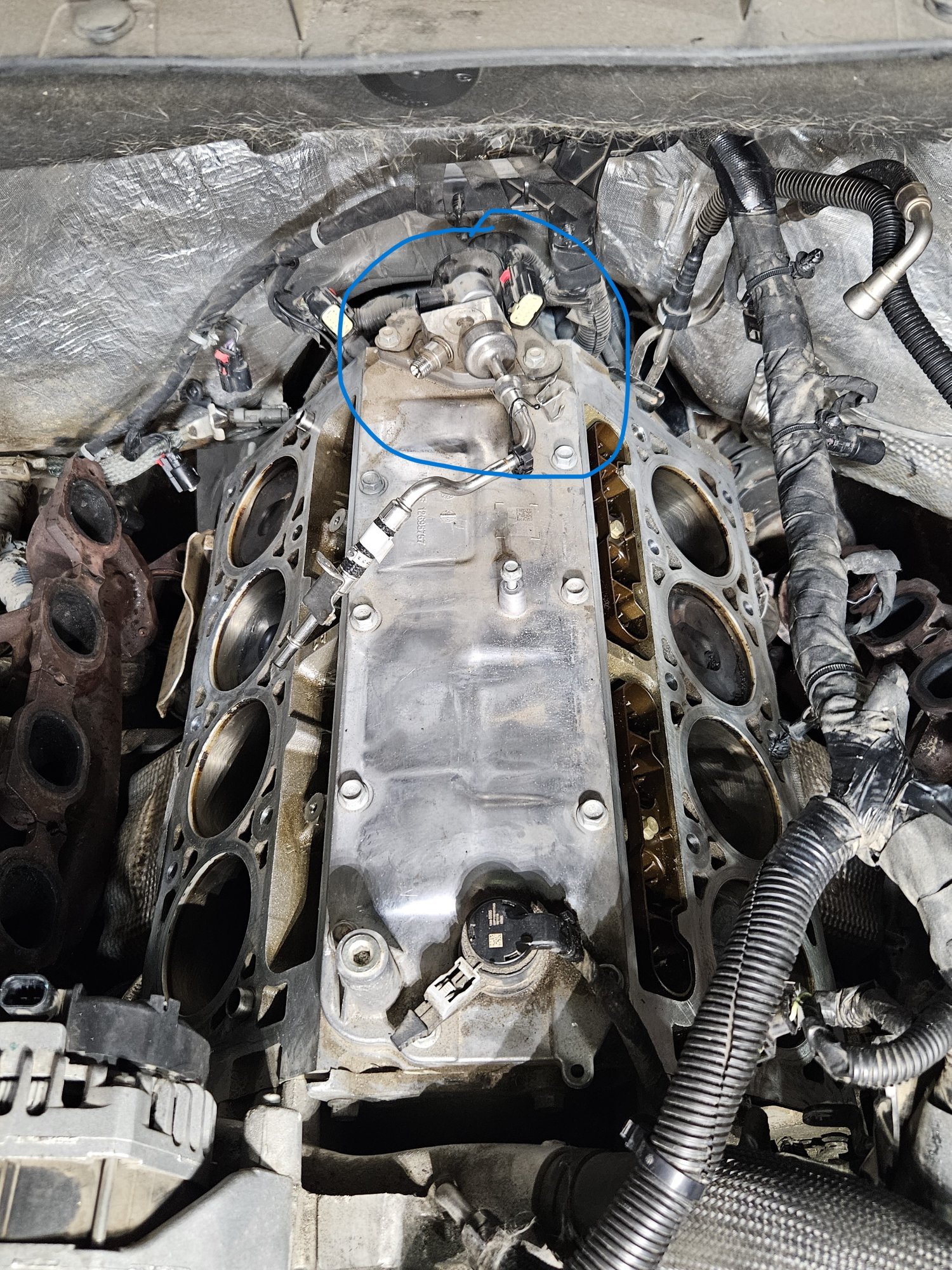
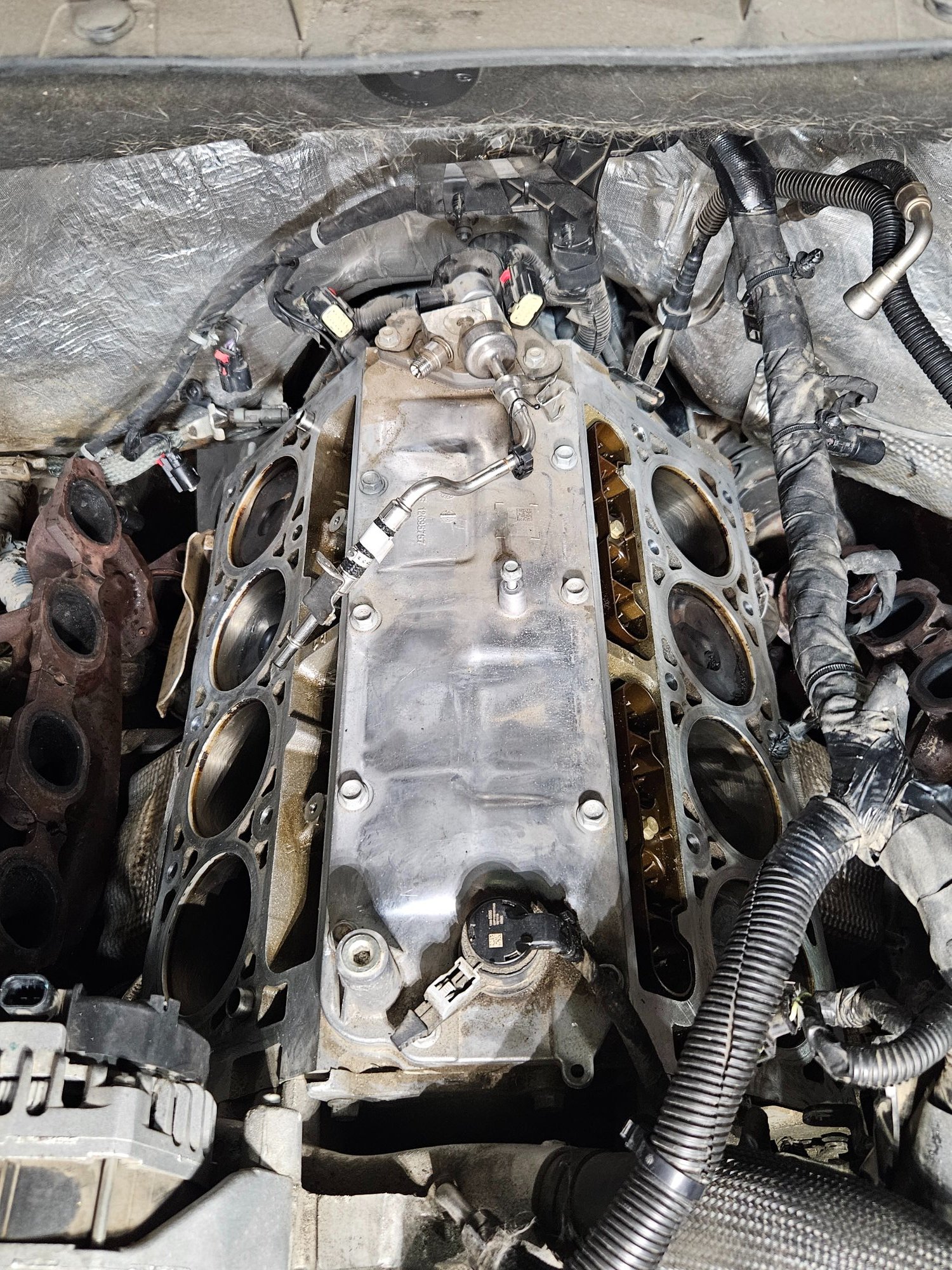
The HPFP(High Pressure Fuel Pump) is located beneath the intake manifold. You will have to remove the intake manifold to swap out the injectors, so you might as well do the HPFP at the same time since its right there and only 2 bolts. The HPFP is circled in the image below. Note: The heads DO NOT have to be removed to access the injectors and the high pressure fuel system, only the intake manifold.
-
LT4 Fuel Injector Compatibility
Gangly replied to Tdola's topic in 2019-2026 Silverado 1500 & Sierra 1500
If you are changing injectors, then you are changing your fuel feed volume, whether you have adjusted your tune or not. Larger injectors will spray more fuel given equal pulse lengths. I would want to make sure that the HPFP feeding those injectors was providing adequate pressure and volume to maintain consistent fuel feeding. If you are going with larger injectors, install the larger fuel pump. Its a relatively easy install, just pull the intake and swap out the pump and stainless steel fuel lines. -
2019 L84/5.3 AFM/DOD?
Gangly replied to Ed Baudoux's topic in Engines & Drivetrain (V8, Duramax, TurboMax)
With the DOD kit, you need to plug the solenoid orifices and TUNE out the DFM. Did you replace the camshaft as well? There are some arguments on whether or not the camshaft needs to be replaced, with some shops saying you do and some saying you don't. -
The current generation of LT engines, once DOD is removed, are bulletproof. You can run the piss out of them and they will last forever. The problem, as always, has been the shortened lifespan due to the DOD system components. Fortunately I haven't experienced lifter failure yet, and have taken what I hope to be preventative measures, but its a huge worry none the less. I would like to see the following on the next generation engine: 1. NO DOD, or at least no DOD in its current form! Come up with a better plan for fuel economy. I would gladly eat 1 mpg just to have the peace of mind that my truck will go 200K before ever having to dig through it's internals. Between Yukons, Tahoes, Silverados, etc., the lifter issues might possibly cause the end of my GM Truck/Large SUV purchases. 2. Naturally Aspirated. A simple, non-turbo, gasoline engine that is dead nuts reliable would be wonderful. Turbos add additional complications and maintenance. The 6.6 in the HD would be PERFECT in a 1500 series, if only the EPA would allow it. 3. Keep the pushrod engines. I know its counterintuitive to ask them to fix the DOD, then ask to keep the pushrod engine alive, but the pushrod engines are more compact and lighter with an OHV design as opposed to a SOHC or DOHC design. Don't get me wrong, I wouldn't complain if GM went with an OHC design, but I think the engineering behind OHV engines allows them to be more compact, lighter, and able to produce more torque "under the curve" and at lower RPMs. 4. Manual Transmission. I know its not engine related, but it would be nice to have a manual transmission option on the bare bones models(W/T and Custom). Manual transmissions are just so durable, easy to work on, repair, and replace. $500 for a new clutch every 100k+ miles is worth it.....so worth it.
-
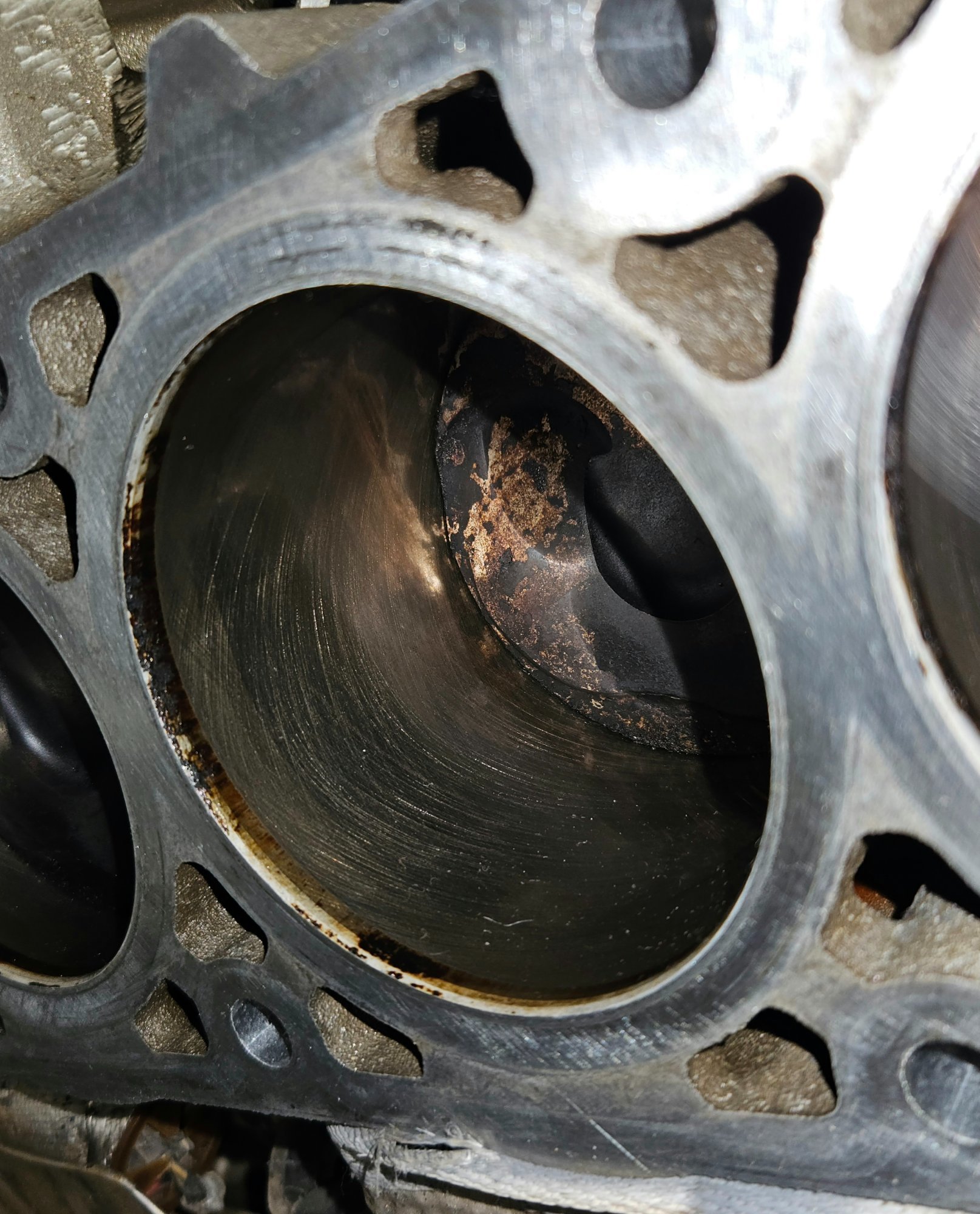
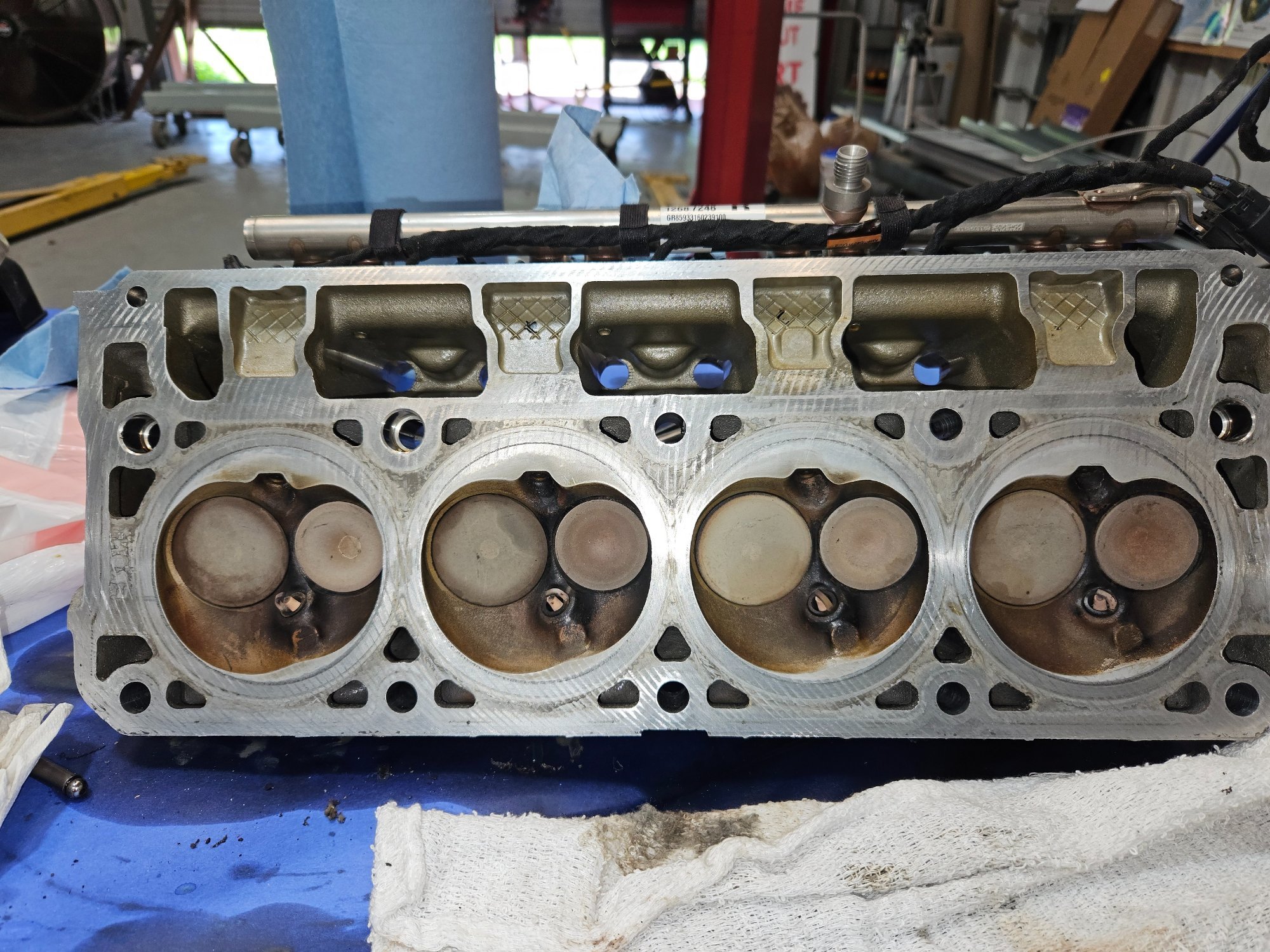
I took some time off from work and decided it was a good time to go through the Z71 and have a good look at things. I have a little under 130K miles on the truck with no issues, but I need it to go 200K. I assumed the heads and valvetrain would need to be refreshed soon, and I would rather do it in my shop at a time of my choosing, than after breaking down on the side of the road, so I purchased the parts and tore into it. After removing the heads and checking everything out, the valvetrain was VERY clean with no sludge buildup in the rocker arm/spring area, with valve spring constants within spec and the valve seals looking good. The lifters were within spec, the rollers clean and clear of surface issues, and the cam lobe surfaces looked great. When visually inspecting the block, the cross hatch on the cylinder walls was exceptional, and the surfaces of the lifter rollers and cam lobes showed no excessive wear. With the condition of the original components, I went ahead and replaced just the lifters and pushrods with GM parts since everything appeared to be in great shape. Total time from start to finish was about 30 hours, but that was me going VERY slow and triple checking everything. Total cost for parts and materials (gaskets, bolts, cleaners, etc) was about $1500. Doing this with the engine still in the truck was A LOT more challenging than I anticipated, with the rear head bolts being very hard to access in order to properly torque. Also, cleaning the gasket materials from rear portions of the block took forever simply because of the poor access, and required a lot of patience and maneuvering. Cleaning surfaces, double checking fastening torques, and running to various stores to get parts/tools took more time than what a dealer could complete the task in, but if I was to do it again I would assume I could have both heads off, cleaned, inspected, and the truck back and running in about 15 hours. The only issue I currently have is an exhaust leak at the driver's side manifold. I installed new GM exhaust manifold gaskets and GM exhaust manifold bolts, and torqued them to spec and sequence, but I haven't had a chance to recheck the torque on the manifold bolts since heat cycling the truck, so I assume one or two might have backed out. I will replace them with ARP exhaust manifold bolts once they arrive. Whenever I go with ARP bolts, it generally solves any exhaust leak issues, but I went back with all GM fasteners in hopes to avoid any issues when I should have just gone straight with the ARP bolts to begin with. For any of you who have had to scrape off old gaskets in the past with razorblades, plastic blades, gasket scrapers, etc., I would HIGHLY encourage you to get a carbide scraper. It is by far the best scraper I have ever used, and cut my time down by AT LEAST HALF when cleaning the block and head surfaces. It scrapes perfectly flat without gouging, and creates a fantastic surface for gaskets. I'll leave a youtube link for anybody with questions about it, but it is by far one of my better tool acquisitions and I would highly encourage anybody who prepares mating surfaces to get one Engine block still in the truck after the heads have been removed. The lifter trays were removed from the passenger side, but not from the driver's side yet. The cross hatch on the cylinders appeared to be in great shape, with minimal wear indicators. For a little under 130K miles, I expected significantly more cylinder wear. Sorry for the poor photo. This is one of the cylinder heads after the gasket removal with the carbide scraper. You can see the original machining marks by GM. I still go over the head with CRC gasket cleaner, a rag, and elbow grease prior to installing the heads again, but the carbide tipped scraper is simply amazing. OEM lifters, driver's and passenger's side that are still within operational spec Carbide Gasket Scraper. One of the youtube videos I found that suggested it and gave tips on its use... For anybody interested, I have used Castrol Edge Advanced Full Synthetic 0W-20, FRAM Ultra-Synthetic filters, and changed the oil at GM recommended intervals. Based on my observations, I have zero complaints with the oil, filter, or OCI's at this point and will proceed with the same products and the same oil change interval.
-
High Mileage Club for the 5.3 and 6.2
Gangly replied to Bamacommander's topic in 2019-2026 Silverado 1500 & Sierra 1500
Less than 1% of trucks are affected by the lifter issues. Granted, I don't want to be that 1%, but I can assure you that of that 1%, near 100% are getting online to complain about it when it happens to then, which will make it look a lot more frequent of an occurrence than it really is. -
High Mileage Club for the 5.3 and 6.2
Gangly replied to Bamacommander's topic in 2019-2026 Silverado 1500 & Sierra 1500
I hear you loud and clear. I just paid off my 2020 last year and I REALLY DONT want to purchase a new truck anytime soon, but at 126K miles I figure I cant complain if I get to 200K, which should be in 2 years or so. An HD gasser is about as dead nuts reliable as you can get, if you don't mind the piss poor MPG's -
A day in the life of my truck
Gangly replied to BlueAT4's topic in 2019-2026 Silverado 1500 & Sierra 1500
I wouldn't be so sure it was a mechanical failure of the transmission. Take it to a reputable transmission shop and see what the think, solenoids and valve bodies can create funky symptoms and quirks. If it requires a rebuild, then rebuild the transmission and keep on keeping on. The transmission is not a hard removal/installation and can be done in a day. -
High Mileage Club for the 5.3 and 6.2
Gangly replied to Bamacommander's topic in 2019-2026 Silverado 1500 & Sierra 1500
Better not buy a new Tundra then. Stick to 2021 or earlier Tundras, the new ones are having their own fair share of issues.




-
Forum Statistics
250.3k
Total Topics2.7m
Total Posts -
Member Statistics
342,728
Total Members8,960
Most Online
-
Who's Online 3 Members, 0 Anonymous, 622 Guests (See full list)