
6.2_GMC_DEN
-
Posts
111 -
Joined
-
Last visited
Recent Profile Visitors




6.2_GMC_DEN's Achievements

Enthusiast (4/11)
30
Reputation
-

Shake or Vibration Issues
6.2_GMC_DEN replied to Silver space ship's topic in Troubleshooting & Recalls
Great video about vibration correction. -
6 Speed Transmission Clunk Downshift
6.2_GMC_DEN replied to JacobC1983's topic in 2014-2018 Silverado 1500 & Sierra 1500
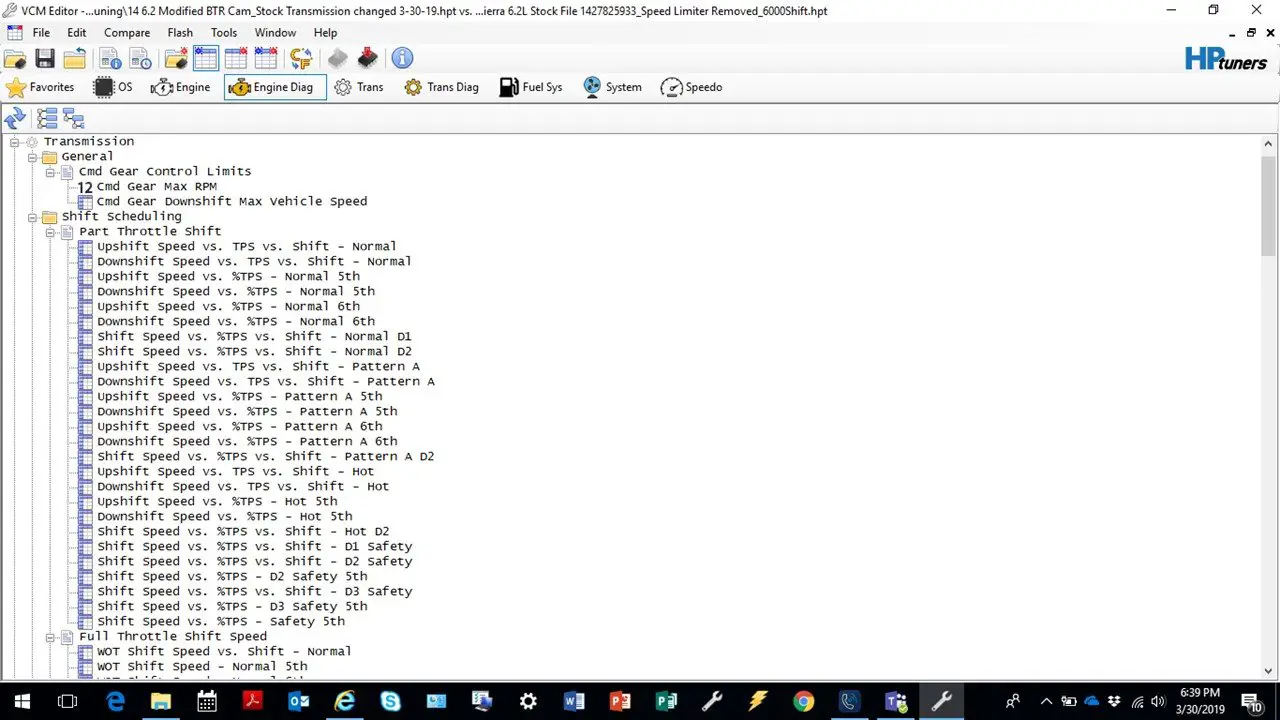
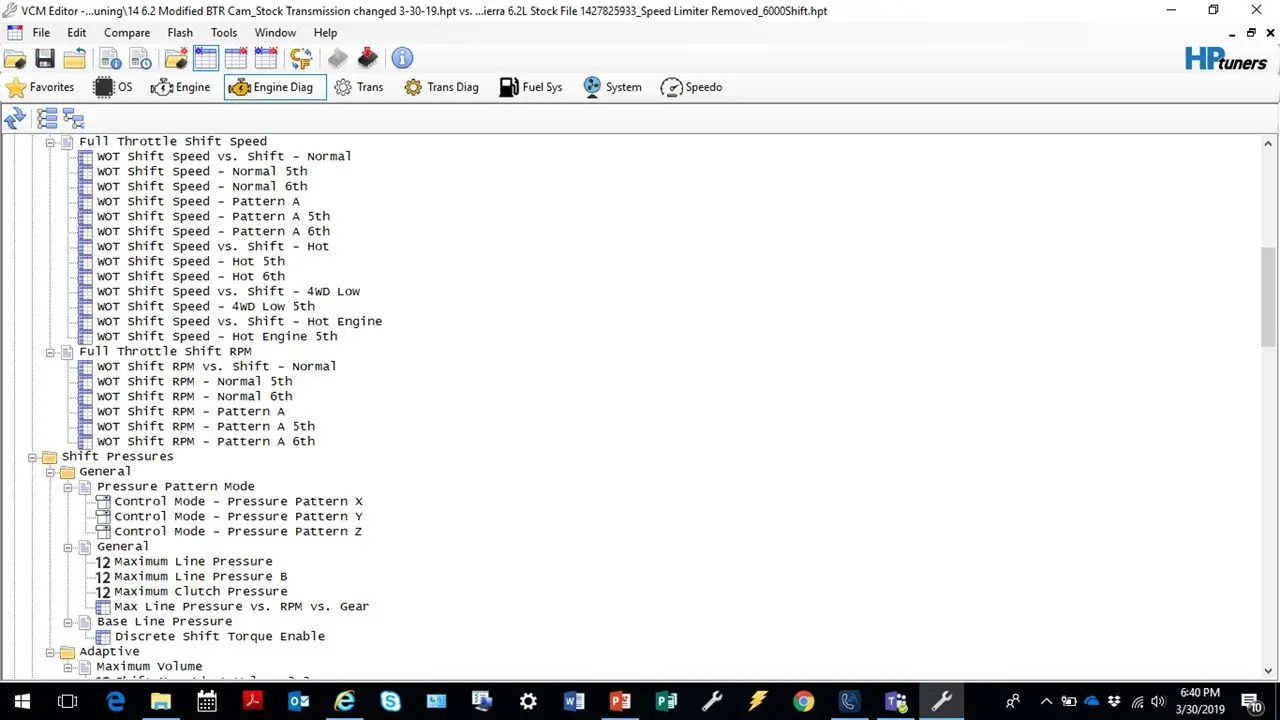
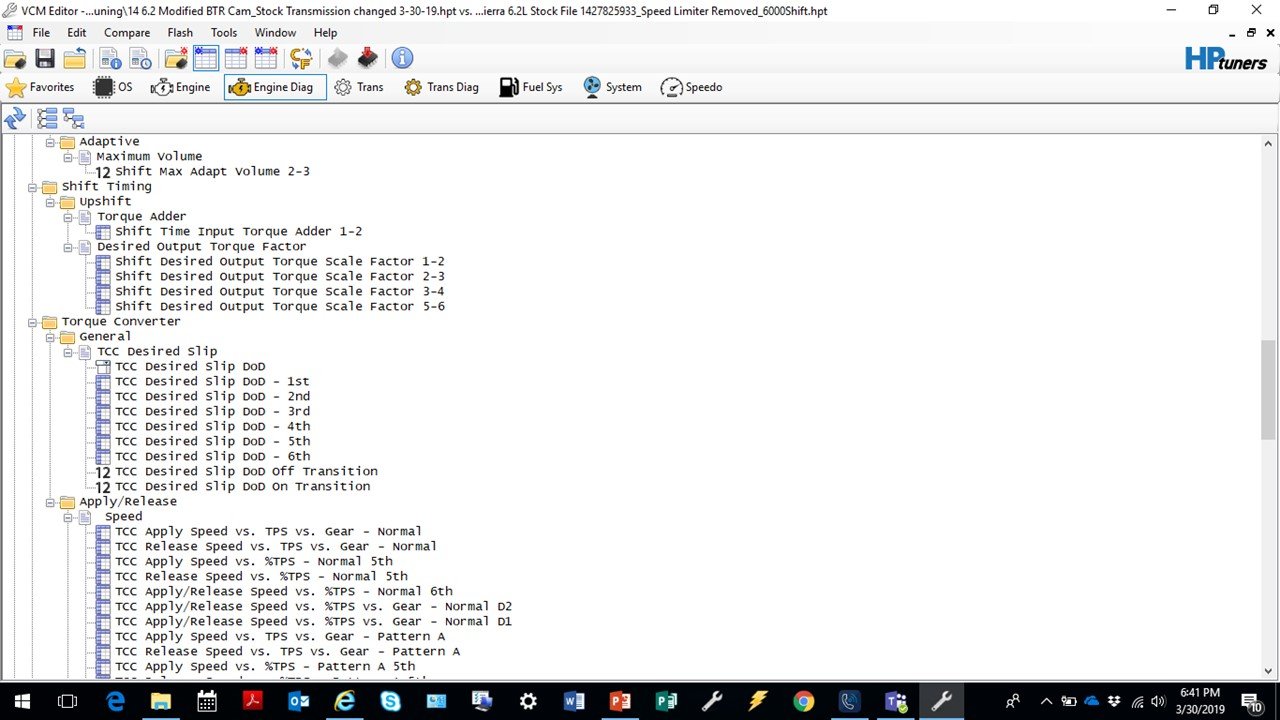
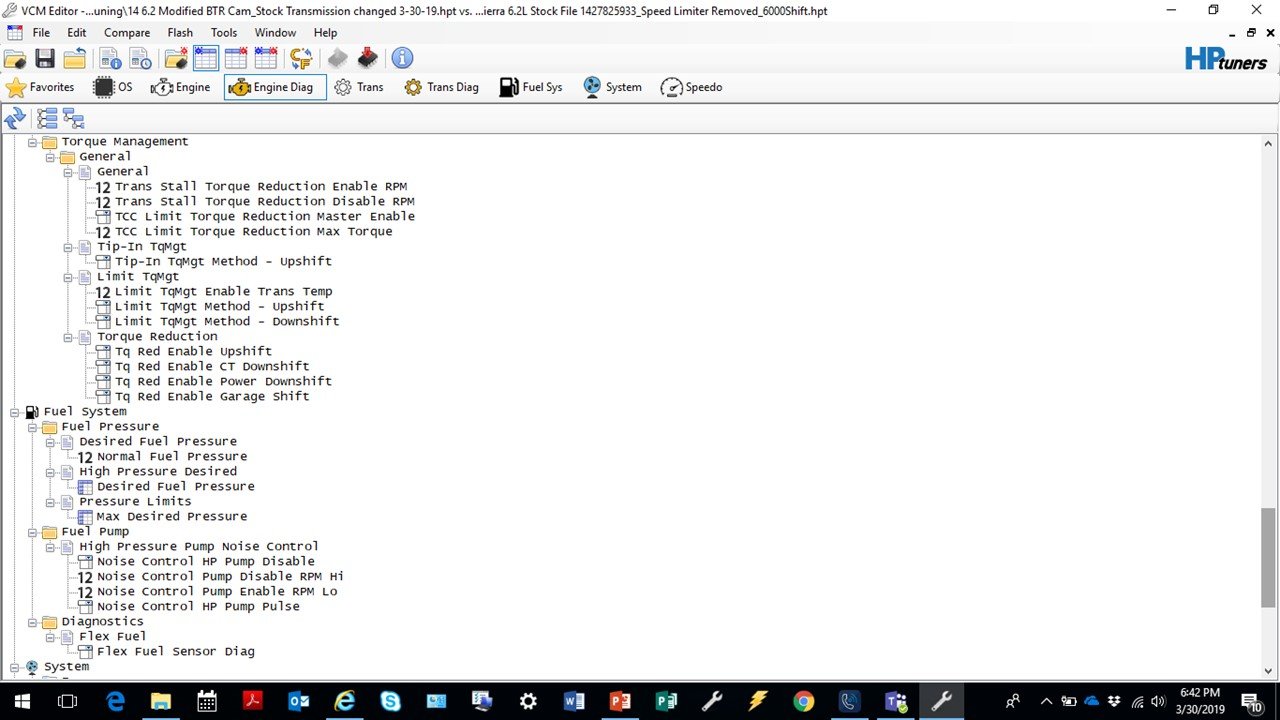
It took hours any many revisions to fix the driveline clunk issue I experienced. It is a combination of upshift and downshift scheduling problems, torque converter lock up and unlock at the wrong times, desired output torque factor issues, torque adder issues, stall torque management, tip-in torque management, limit torque management, torque reduction, and more. Basically the stock tune is commanding too much of everything at the wrong times. Mine shifts like butter at part throttle and is nice and crisp at WOT. The way it should of been from the factory.
-
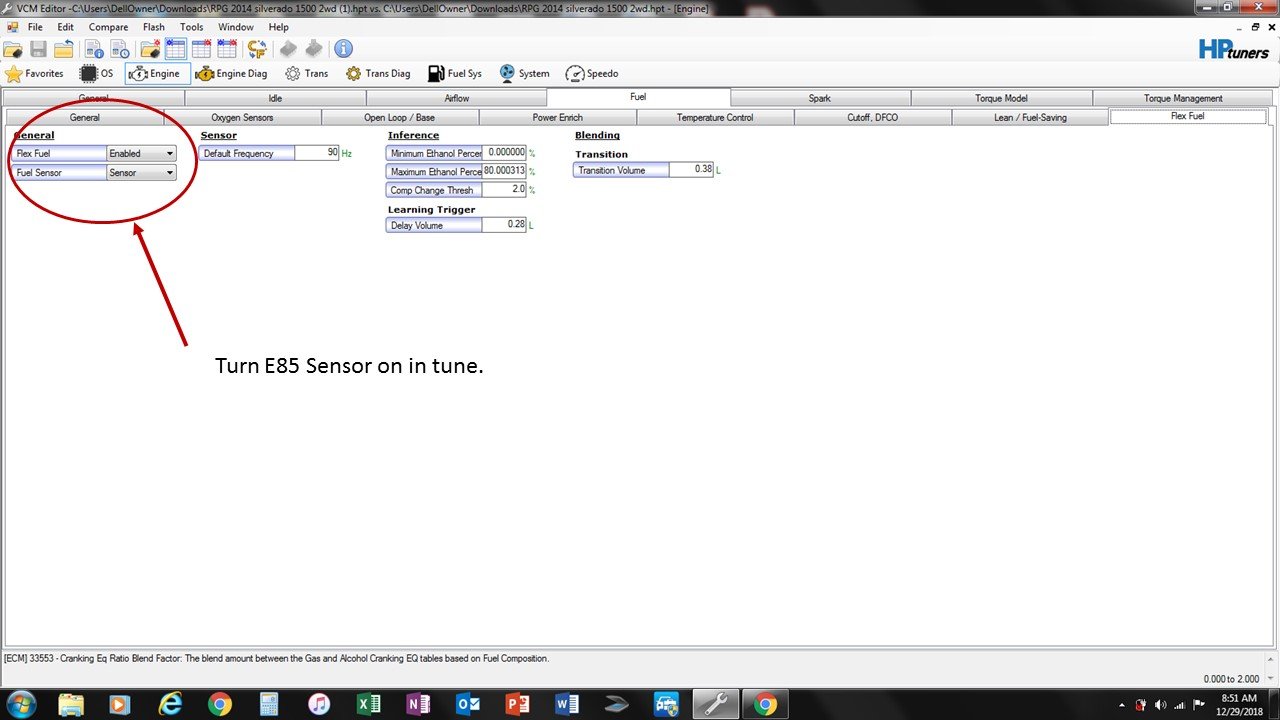
Correct add sensor in fuel line and connect it with truck harness. The harness connector is on drivers side frame rail by transmission cross member.
-
blacksilverado.jpg
6.2_GMC_DEN commented on ulikabbq's gallery image in Black Truck Club's Black Truck Gallery
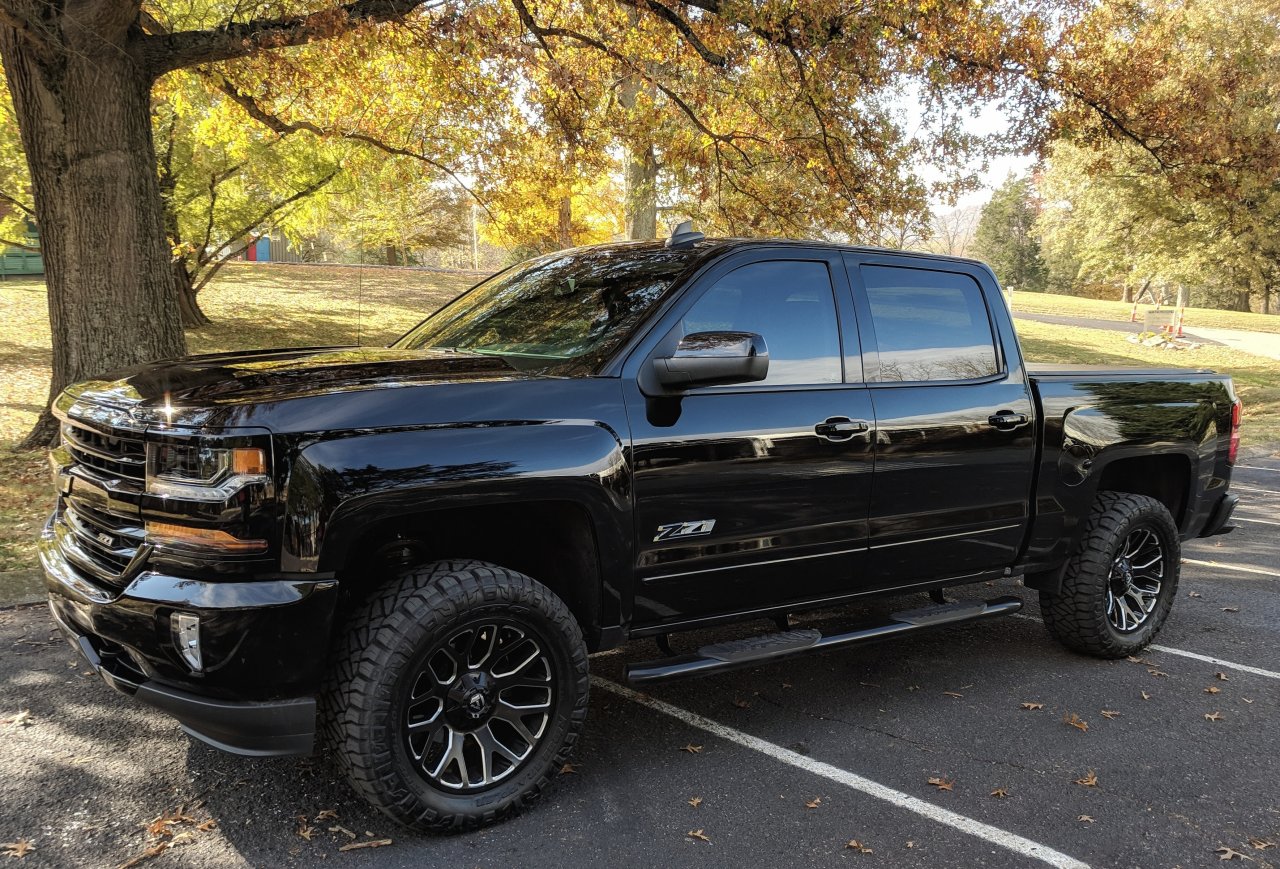 Very Nice set-up!
 -
Your welcome. Thanks! It's amazing to me that people come on this thread ans continue to overlook this. Glad it fixed your issue. I have fixed hundreds of them.
-
Thanks for liking.
-
Sorry dude but the spark plug gap doesn't get "smashed" from carbon build up. If spark plug gap is truly "smashed" you have a mechanical failure of some sort. I am not buying that explanation.
-
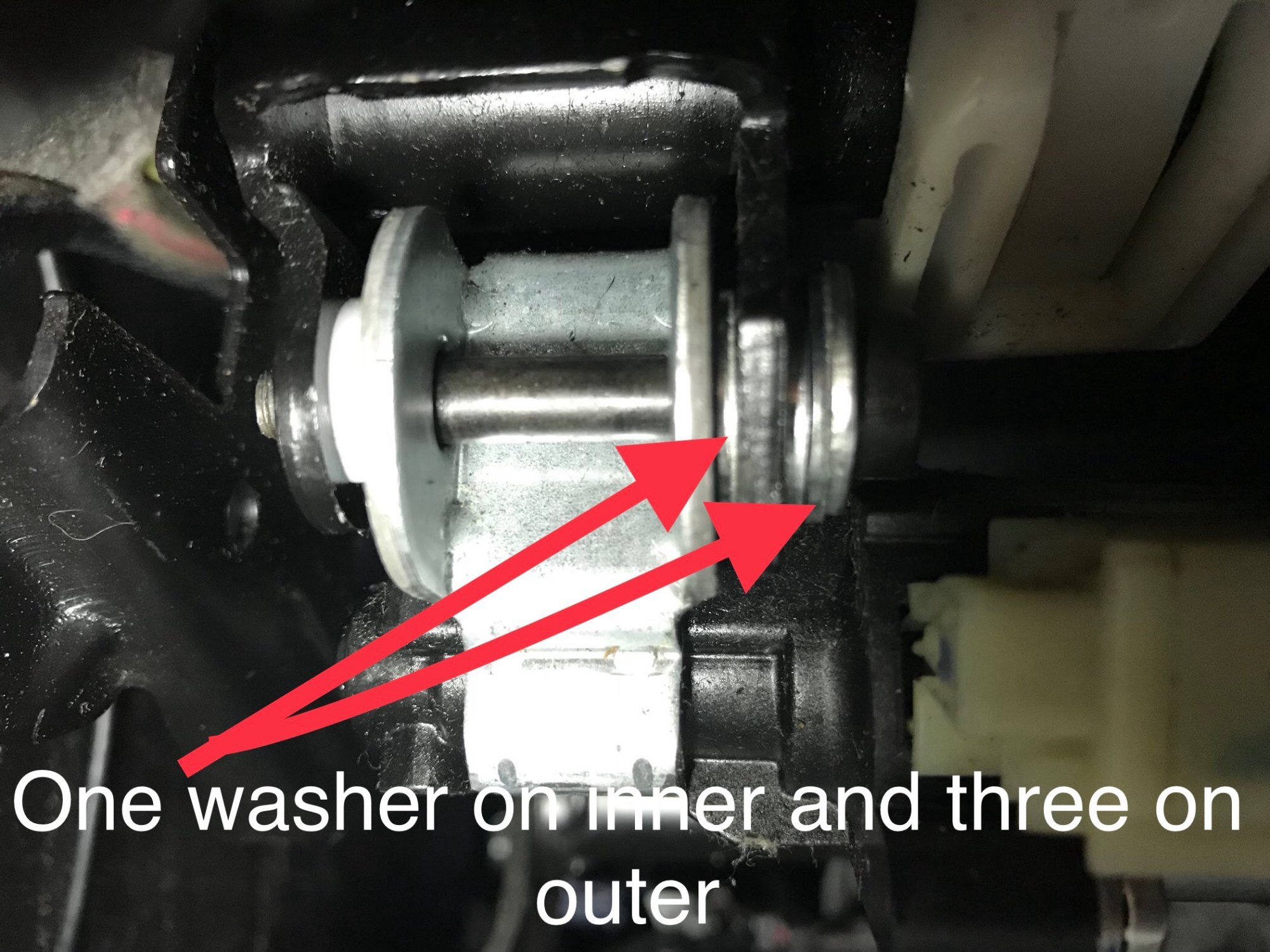
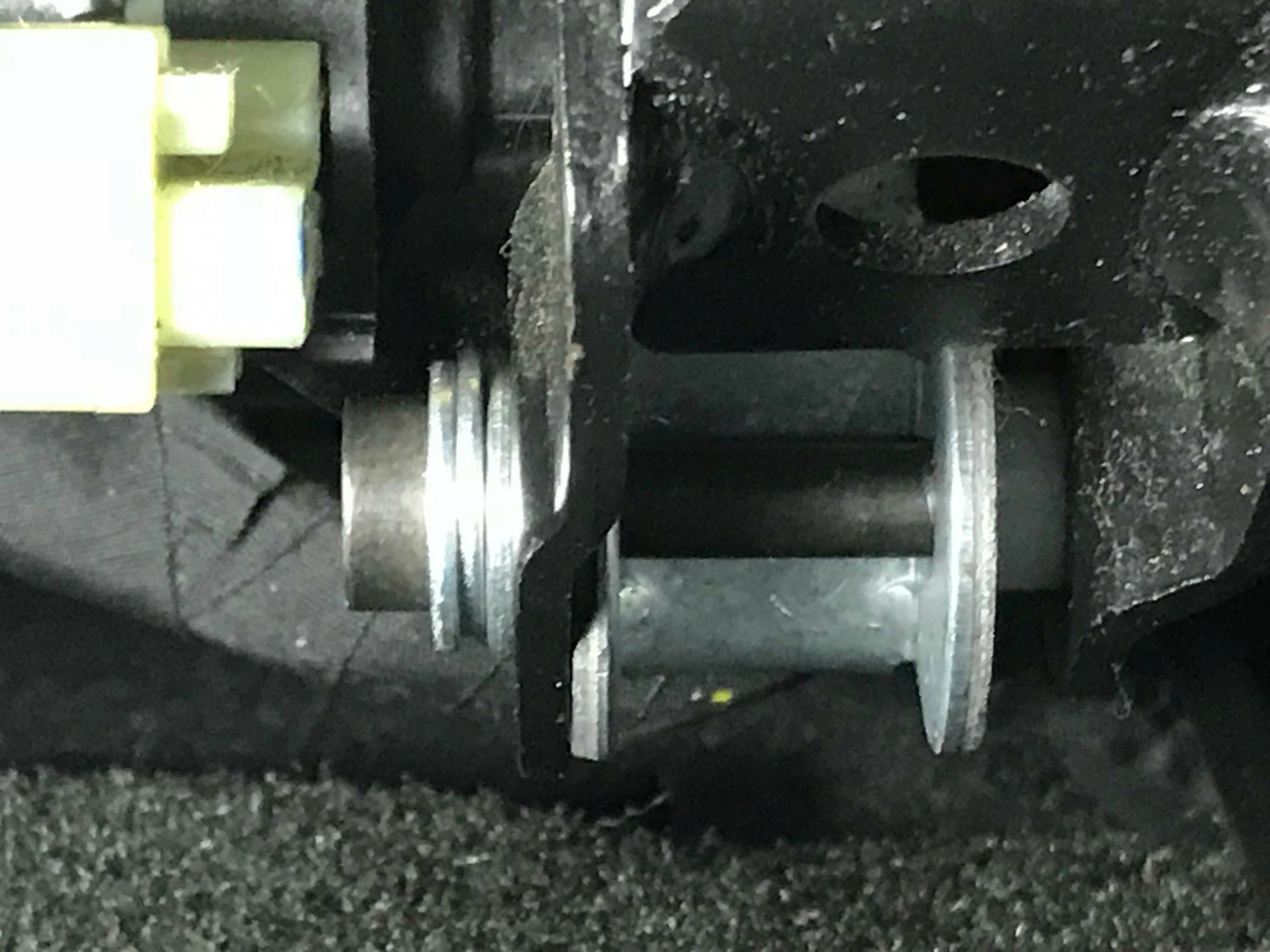
My seat was very loose side to side and front to back, it also made popping and creaking noises especially when making turns with truck. After several trips to Dealer and paying for a half baked repair I had enough. I fixed my self and Installed washers on seat adjuster that moves the seat up and down and seat bottom tilt. The factory bolts threads bottom out and do not allow a tight fit and even with the plastic spacer the Dealer puts in per the bulletin there is still excess play and movement. See pics below with space I am talking about and pics on how to fix. I checked several other seats and they all have the same issue. This is a design flaw from the factory and I can't believe they have not addressed it.
-
Post Pics of Your 2014+
6.2_GMC_DEN replied to jomuehlbauer's topic in 2014-2018 Silverado 1500 & Sierra 1500
All cleaned up.
-
Post Pics of Your 2014+
6.2_GMC_DEN replied to jomuehlbauer's topic in 2014-2018 Silverado 1500 & Sierra 1500
-
Spring Clamps Reduce Rear Vibration
6.2_GMC_DEN replied to hotrodz37's topic in Troubleshooting & Recalls
Know the Real Causes of Vibration related comebacks, GM Bulletin does not fully explain the importance. Condition 1: 1st Order Tire Suggestions (Freq 11-14 hz at 60 mph or 97 km/h) Measurements Remove the tire and wheel assemblies from the vehicle and perform the Road Force Variation (RFV) measurement. Important: Prior to taking any measurements, the assemblies MUST all pass a center check. Note: Rule of Thumb for vibrations. Use a Low Taper Collet that fits correctly in back side of wheel and back cone assembly. Use a finger plate that uses lug holes in wheel to mount wheel to balancer. This mounting process will help ensure wheel is properly mounted before balancing assembly. (Mounting errors are the cause of 60% vibration related comebacks. Steering Wheel = Front Wheels Floor/Seat Track/Body = Rear Wheels Document the before and after Road Force Variation (RFV) numbers. Road Force Specifications P-Metric tires on passenger cars 15 lbs (6.8 kg) or less P-Metric tires on light trucks 15 lbs (6.8 kg) or less LT – tires on light trucks 15 lbs (6.8 kg) or less Note: These numbers are lower than what is currently published in service information as some vehicles react to parts that are near the high limit. These numbers SHOULD NOT be used if you do not have a tire speed related disturbance. Repair: For any assembly that has an out of balance condition (greater than 0.25 oz), remove the weights and correct the condition utilizing normal balancing techniques. For any assembly having RFV measurements beyond the specification above, vectoring the tire on the rim should be utilized prior to tirereplacement. If this does not bring the assembly within specification, the tire should be replaced. If assembly is calling for more than 3oz Static while balancing, deflate tire and spin tire 180 degrees on wheel and reinflate. Re-Check Static reading and if under 3oz proceed to ProBalance. Additional Notes on Balancing: Use a COATS Direct Drive Balancer with ProBalance Technology for smoothest ride. ProBalance ensures ALL Residual unbalance vibrations are reduced to under .10oz Static (Hop or up and down vibration) and Dynamic (Shimmy or wobble side to side vibration). Always perform a centering check. A Hunter Balancer/Road Force Balancer should not be set to “Smart Weight.” All tires need to be balanced under 0.25 oz (both static and dynamic). When using the Hunter – Balancer/Road Force Balancer, removal and remounting to the tire balancer should be performed to re-check balance and verify that results are repeatable to 0.25 oz or less. Check Wheel Runout. Important: When replacing tires, the road force should be checked before a test drive and after a test drive (min of 10-15 miles or 16-24 km/h). Road force on new tires will change dramatically after being warmed up (as much as a 20 lb reduction). After the test drive, the tire’s road force should be checked. If acceptable RFV cannot be achieved, first try vectoring the tire on the rim before an alternate tire is utilized. Also refer to the Information in the latest version of Corporate Bulletin Number 13-03-10-002: Diagnostic Tips for Difficult to Resolve Tire/Wheel Vibration Concerns. Some more information is needed on how to check the assemblies for 2nd, 3rd, and 4th order RFV.
-
failed lifters 2015 6.2 - JUNK motor
6.2_GMC_DEN replied to crushNchowda's topic in 2014-2018 Silverado 1500 & Sierra 1500
My 2014 6.2L with 55K miles in the shop now to replace all lifters and more than likely oil pump. They also are rebuilding rear diff and replacing axles. I am so happy, ugh! -
Pics of leveling kits with stock wheels
6.2_GMC_DEN replied to Gingerly's topic in 2014-2018 Silverado 1500 & Sierra 1500
305/55R20 Nitto Terra Grappler G2 2" Motofab Level Kit Bilstein 5100 shocks all around -
Pics of leveling kits with stock wheels
6.2_GMC_DEN replied to Gingerly's topic in 2014-2018 Silverado 1500 & Sierra 1500
-
Good question. First question would be do you feel steering wheel shimmy (side to side vibration or Couple vibration) or do you feel in your seat or dash area a hopping sensation (up and down vibration or Static vibration)? My performance balance method is done by mounting the wheel correctly with low taper collet on back side of wheel and using a pin plate to secure wheel by the lugs. I then put my direct drive COATS Balancer in "fine mode" (opens blind under .25oz) and remove all residual unbalance to under .10oz. In most cases I get it to .03 to .01oz where a Hunter Balancer will only go down to .10oz. If these unbalance forces line up you could still potentially have .20oz residual on this Balancer. This is stated in the GM bulletin to take a Hunter Balancer out of "Smartweight mode". FYI Smartweight mode is a marketing term used to sell a shop on money they can save on wheel weight purchases without sacrificing Balancer quality. Unfortunately in the real world there are too many variables and the shop can potentially leave themselves open to come backs. The Roadforce you mention with 16 and 19 lbs means there is run-out of .016" and .019" of an inch in the tire & wheel assembly. You can actually tell if you have a problem if you have a High Static number when you Balance. If run-out number creeps over 30 or Static number over 3oz then you could potentially feel that, especially if you combine it with a Smartweight balance. Eliminating all vibrations (Static & Couple) is the best practice for best results. You can really feel a difference.






.jpeg.c6537c9c40398919b417ba04afb5fefc.jpeg)
.jpeg.4b44a9614695d78096cb27b2c1344b88.jpeg)


-
Forum Statistics
250.5k
Total Topics2.7m
Total Posts -
Member Statistics
342,981
Total Members8,960
Most Online
-
Who's Online 10 Members, 1 Anonymous, 655 Guests (See full list)