


Doublebase
-
Posts
510 -
Joined
-
Last visited
-
Days Won
4
Content Type
Profiles
Forums
Gallery
Events
Articles
RPO
Store
Blogs
Everything posted by Doublebase
-
What's 50% for you on the oil life monitor? I'm at 78% right now and I have 2,000 miles on the oil. So I think it depends on how many miles you're at, at that point. Is it 5,000? 4,000? 3,000? More? Less? I personally no longer let direct injection engines go further than 5,000 miles on oil changes. I'm done playing that game. My last direct injection engine was worn out at 160,000 miles, I don't think extended drains didn't it any favors despite using "high quality" oil and filters. There's a couple things with modern day engines that I believe are "tough" on oil nowadays. Direct injection, low tension piston rings, CAFE regulations, light weight oil and the return of timing chain engines...throw in the addition of turbocharging. Direct injection blasts carbon into the oil. The rings aren't sealing like they used to. Chains are shearing oil, and the carbon is also getting between the pins and rollars, stretching them. I'm just done testing the limits of oil. I'm done with used oil analysis. I'm doing 5,000 mile oil changes and that's it. Call me crazy.
-
My truck is an 2018, I bought it new two months ago. I hope it's updated. Who knows? It was more of a problem with the route it chose to take me, and the adjustments it made along the way. It took a two and a half hour trip and turned it into four. I usually use Waze, I don't question it because it usually saves me from some tough spots. I figured I could trust the GPS with the truck because it is so new, but this is what it did...first it took me right past the highway I would have thought we'd take. Then it took me right into RT93 into Boston (that's a nightmare). To make matters worse it took me OFF of 93 and had me go right through Boston - if you've ever driven through Boston you know one thing immediately after - you don't EVER drive through Boston. Especially during a Friday. So there I was...Government Center, then Boston common, then the theater district, then DORCHESTER. Then it tells me, redirecting your route...right BACK onto 93!! I was in trafffic for an hour and a half and I moved maybe ten miles before getting right back the way I was heading. It was like someone said, here let me dump you right into the center of hell on the way to where you're going. I just couldn't believe what had happened. If I had a holesaw with me I would have drilled the GPS right out of my dash and thrown it out the window. Thank god I didn't have one.
-
My buddy gets 16 in his and I’m like, what are you doing? Meanwhile he’s got it outside running while he’s inside talking to me, and he’s asking why he isn’t getting better mileage. He’s got the AC running from May till November. To each his own, he doesn’t drivee that much anyway, whereas I’m driving 600-700 miles a week. But I still enjoy it even though I’m not hammering on it.
-
All I can say is based off the mileage most people on this thread are getting, they are having a lot more fun with the gas pedal than me. Today was the first day I didn't get around my average (26mpg). But today I had to beat the ever living crap out of the thing. Long trip from NH to Rhode Island...had the AC on the whole way, damn GPS took my through Boston, then Dorchester, then Matapan. Pure hell. Foot was in it the whole time jockeying for position. And when it wasn't I was stuck in miles and miles of traffic. Averaged 18.9 over the 130 mile trip. That was maybe the worst commute I've had in my entire life (worse than any trip through NY). One thing I know for certain, the worst part of this truck is the GPS. I'll never use that thing again. Ever. Thing took me right off the highway for a little two hour detour through the heart of Boston and beyond...only to put me back on the very same highway it took me off of.
-
Transmission issue, but only when cold
Doublebase replied to Steven Muraoka's topic in Troubleshooting & Recalls
I definitely experience this "fish bite" thing whenever the vehicles sits overnight until it warms up. Then it's gone. And like everyone else I experience it during light throttle, it goes away if I give it some gas. I takes about two minutes for this to go away, then it's warmed up and it's fine. I'm not worried about it, but maybe I should? I've found that a lot of these newer vehicles with 6-8 speed transmissions are a bit confused at times. Now if my transmission starts slipping??? It's headed right to the dealer, but this thing has been happening since I bought it new two months ago...I now have 7,000 miles on the thing already and I love it.The thing drives like a dream. -
Frame wax coating repaired under warranty
Doublebase replied to aseibel's topic in 2014-2018 Silverado 1500 & Sierra 1500
To be honest I think the wax coating “falling off”, part of the equation is pretty much impossible to avoid anyway. When it gets old it dries up and falls off. When something scrapes it? It’s exposed. The fluid film, krown, NH oil...all may “soften” it, but unless you soak the heck out of it, I’ve found they don’t make it fall off. If anything they provide a little barrier and suppleness. And then dust sticks to it forming an additional barrier of protection. -
Frame wax coating repaired under warranty
Doublebase replied to aseibel's topic in 2014-2018 Silverado 1500 & Sierra 1500
I was told that, but I haven't found that to be true. And I've seen fluid film treatments on Silverados in my area - including mine - and it didn't damage the wax. From what I've seen it sticks right to it forming another layer/barrier. -
Frame wax coating repaired under warranty
Doublebase replied to aseibel's topic in 2014-2018 Silverado 1500 & Sierra 1500
I think the problem is that the stuff just comes off too easily and then the rust gets in and spreads underneath it. I have a 2018 and the thing showed some surface rust as soon as I brought it home...on the bed tubes, on top of the front spring mounts, at four spots where a tech put the thing up in the air on a lift, at various crevices. I patched some of the bare spots with a rubberized undercoating, on others I used fluid film, and on some others I stripped the coating off, sanded it down and painted it with POR. I feel like it's something that unfortunately I have to keep up with weekly or else it'll get out of control (and it's not even winter yet, this is our dry season). I'm planning on doing two things...I plan on buying some Nox Rust for touch ups, and I plan on doing an undercoating treatment twice a year with either fluid film or NH Oil undercoating. I know its just "surface rust", it's not the end of the world...might not ever be a serious issue, but I don't want to chance it. I've seen three 2014's that have frames that look so corroded you'd think they were 20 year old trucks (one of them doesn't appear to have any wax coating left on the thing). -
I'm at 5,000 miles now, I'm driving this thing like crazy. Can't seem to keep it under 600 mikes a week. Averaging 25 mpg since I bought it! Amazing. Not one single issue. Changed the oil at 1,300 miles, put on running boards, mud flaps, a bed liner and cover. Loving the thing I think what is happening - reputation wise - is there are just SO MANY of these things on the road...there will be some with issues. It's a volume thing. They sold almost 600,000 of these trucks last year (not including the Sierra). So since 2014 there's almost 2.4 million of these things on the road in America alone! That's insane. Throw in another 1 million Sierra's. That's a lot of potential issues. That's a lot of different types of owners/drivers. I mean on my daily commute I'll see 50 of these trucks pass me by...some towing trailers going 80 on the highway...lots with the beds loaded up just blasting down the road. That's a lot of different levels of abuse, lots of different types of use. I think aside from the Tundra, which I hear is an extremely well built truck, the Silverado is holding up very well. The F-150's have had lots of problems. Dodge has improved. And who cares about Nissan?
-
It's probably the seams on the radiator slowly weeping away. Unfortunately it's pretty common on a lot of brands right now....where the plastic side tanks meet the aluminum fins.
-
Who Has The Highest Mileage On Their 14+?
Doublebase replied to Eddie 70's topic in 2014-2018 Silverado 1500 & Sierra 1500
That's pretty impressive but I've got you beat, when I fill up it says 640 miles and sure enough I'm able to do it. I drive around 650 miles a week. Generally I only have to fill up once. Truly amazed at the gas mileage I'm able to get with this full size V8 4wd truck. Love reading about the high mileage stories, and now that these things are a few years older the mileage on some of these things will be very high. That's the thing about full size Chevy trucks, people use them for all sorts of things....work, commuting, towing, weekend fun, plowing. Someone on this thread said his friend has 300,000 miles on his already, that's crazy but I believe it. Know a guy who drives his truck 200 miles a day for an HVAC company...just rolls right down the highway, from job to job. -
Question on AFM collapsed lifter failure
Doublebase replied to Doublebase's topic in Engines & Drivetrain
I don't think there's really been a change, not sure. My buddy has a 2014 and he asked me the same thing, but I've driven his truck before and averaged 24 with it no problem. I think it's just driving tendencies. Weather plays a huge roll in it too - if it's under 40 degrees my mileage drops 2 mpg's. -
Cooling System Towing Test Results, Before/After Mods
Doublebase replied to Jon A's topic in Engines & Drivetrain
Good stuff! I wonder if running the 180 thermostat will cause any issues with check engines lights? Reaching operating temperature too slowly? What's the operating temperature of the truck? 186? Lower? I would worry if i was towing, using a 0w20 oil. Wonder how the oil life monitor reacts to towing? Wonder what people that tow are being told by the monitor? -
What have you done to your K2 today?
Doublebase replied to block8head's topic in Modifications & Accessories
Well I didn't do this all today, bought the truck new a month ago...chose white...I like it but it looks kind of a little too plain and my kid keeps asking...dad why didn't you buy the black one? I keep telling him I'm going to "storm trooper this one out". Took the first step this weekend; taped off the bow tie badges and sprayed them black - came out real nice - even the wife said...it makes the whole truck look better (which makes me really wonder if I just should have bought the black one, lol). But since owning it I've installed a duraliner bed liner - did some shopping around, found it for $180 plus $50 shipping. Was a little worried it wasn't going to fit right but it was a breeze to install and seems high quality. That was the cheapest liner I could find that looked decent (my buddy has a factory drop in liner and this thing looks at least as good). Added weather tech mud flaps...super easy install...maybe took 20 minutes. And after a lot of research on this forum I bought running boards from running board warehouse. Went with black six inch wide flat looking nerf bars that kind of curve in at the ends only a little bit. Very beefy looking. Didn't like that they attach to the rockers but I just couldn't find many that didn't, and they were highly rated in the reviews. I changed the oil out at 1,500 miles using 0w20 dexos approved Mag1. Probably will run that for 5,000 miles, then I'll head into the dealer for my "free" oil change. I also bought a can of rubberized undercoating and touched up any spots where it was missing. I also sprayed some 3M rust prevention into the rockers and doors. I plan on doing a complete oil treatment twice a year either through NH Oil undercoating or Fluid Film (I'm buying a five gallon bucket and spray gun). Did some research on the frame wax GM uses which brough me to Nox Rust?? I might buy some of that to do the frame. I'm not concerned too much with oiling the frame with either fluid film or NH oil because I've tried the fluid film on spots and it didn't harm the wax coati at all, in fact out of all the stuff I've put on the bare spots (rubberized, 3M, tanglefoot, grease,). The fluid film was the most adhering and gentle (I've read otherwise by people on this forum but I've seen first hand through myself and others that it doesn't harm it). A guy I work with just spent $220 to have someone fluid film his entire truck and it looks good. Next up I need to get rid of these hideous 17" rims and stock street like tires. I don't even know if I'd be able to sell these things?? Who would want them? Maybe a Chevy Colorado owner? They just look so pathetic on this truck. I'm not looking to go too big because of fuel mileage, but I want at least an 18" with a somewhat truck looking tire...and I want the rims black to go with the white truck. -
I don't think I've ever seen a problem with capless gas tanks, Ford car have been doing it since 2007 or so and I haven't seen a failure yet. Just bought a 2018 Silverado and I love not having a cap.
-
Question on AFM collapsed lifter failure
Doublebase replied to Doublebase's topic in Engines & Drivetrain
Thanks. Unfortunately disabling it is not an option at this point - 500/700 miles of commuting per week - but maybe after it's paid off I'll consider it. I'm simply amazed at the fuel economy I'm getting out of this truck; highway with the cruise set is giving me between 22-30 plus depending on the hills...stays in V4 most of the time, and on backroads this thing is doing great. I'm averaging 25mpg in my first 1,000 miles. I definitely will be running a decent quality full synthetic. I find that when motors age and start getting over that 120,000 mark, the 0w20 tends to burn. Guess I'll worry about that bridge when I cross it. But I'll keep my intervals to 5,000 miles (experimented with longer intervals in the past and it did my engine no favors long term). I need to make a decision on when to have my first oil change done, I'm a little over 1,000 miles right now, not sure I'm comfortable going much further with some of the metal particles that are in that oil from the break in process. -
I don't know much about this system, how it operates, the stress that is placed on the lifters during cylinder deactivation. How common is this failure? Been watching some YouTube videos on the repair and it's very labor intensive...heads have to come off, etc. I see that you can buy the entire kit (lifters, gaskets) for around $500. Have a friend that told me...just change your oil, you'll be fine. The number one cause of this failure is neglected maintenance. That true? Or is it an inherited problem with the design of the system? The system came out in 2007, there must be some improvements made to it since then, no? I must say that the AFM is allowing me to get some excellent fuel economy out of a full size truck. So is this a common problem, or are there people with 200,000 on these trucks that never had an issue with it?
-
Strange isn't it? I had a Honda Accord, the things were known for transmission problems. Drove mine 282,000 miles without one single tranny issue. Of course the rest of the car fell apart...engine mounts, brake issues, subframe rotted, steering rack leaked, started burning oil, egr issues, vtec solenoids, more engine mounts.
-
I bought my 2018 last week because of the great things I kept hearing about the 2014's. My buddy owns one and he's praised it since day one, had an issue with the transmission that was covered under warranty, nothing major, quick fix. That's it. He loves that truck...smooth, quiet, good gas mileage.
-
Best Undercoating?
Doublebase replied to frenchsquared's topic in 2014-2018 Silverado 1500 & Sierra 1500
Yeah I haven't sprayed it over undercoating or anything - then again maybe I have - I just have used it on the pinch welds on my car right before winter starts. Seems to do ok, nothing special. I kind of look at it as a temporary solution that needs to be reapplied. I think most stuff will work temporarily...oil, penetration oil, rtv, grease, paint...but none of those is a long term set it and forget, fix. I had a leaking oil pan on an Accord I used to own, that oil pan was probably the only thing that wasn't rusted on that car. There's always POR 15. But get any of that on you and it's never coming off, lol. -
Best Undercoating?
Doublebase replied to frenchsquared's topic in 2014-2018 Silverado 1500 & Sierra 1500
I don't know what's on the 2019's but the sales guy that sold me my 2018 last weekend said that the frames have a new undercoating on them for 2018. Don't know if that's true, doubt it seeing as how the guy didn't know what direct injection was or that the truck had electric steering. Pointed that out to him and he said no, it's got regular sterring. Asked him to point to the power steering pump and he pointed to the water pump. But the frame does have a very tacky black coating on it...doesn't seem to be working as there already is rust in spots were the coating has rubbed off. -
Finishing up on my first week of ownership and I'm averaging 23.7 mpg. Picked the truck up last Sunday with 7 miles on it, now it has almost 600 (and I still have three days to go). I drive a lot 500-700 miles a week...mostly highway or country back roads. I'm not really sitting much in traffic unless there's a some buildup on the highway on the way home, but that's usually only a few miles of it. I have no idea what gearing I have in the rear end, didn't really give it much thought, the truck came with 17 inch aluminum rims and non aggressive tires. I baby my vehicles to try to get maximum fuel mileage out of them, so far I'm pretty happy with the truck. I haven't even started my daily commute with the thing yet - I've been on vacation this week - all that driving was from a trip to the white mountains and around town stuff dropping the kids off here and there. My commute generally is pretty easy on your gas mileage because I've kind of learned the roads, etc. There's some good downhill cruising, highway and flat back road stretches where you can kind of just cruise. My goal would be to average 24 mpg...hoping I can get that with just a little bit of effort. The V8 to V4 switching is really boosting the economy. I do worry about the reliability of that system long term, especially after hearing that the valves stay closed during cylinder shutdown. I worry about valve train problems with something like that. Imagine oil changes will be very important on a truck like this (and luckily the warranty will cover me for whatever miles it is...80k??). I'll probably install a catch can, maybe do some cleanings. I'm not afraid to pull the manifold off and walnut blast periodically either. But love this thing so far.
-
Best Undercoating?
Doublebase replied to frenchsquared's topic in 2014-2018 Silverado 1500 & Sierra 1500
Thanks, didn't know that. -
Best Undercoating?
Doublebase replied to frenchsquared's topic in 2014-2018 Silverado 1500 & Sierra 1500
Anyone ever try Fluid Film? Pretty popular in my area. It's a lanolin based product, you can buy it by the can or by the gallon. Just spray it right on. Works pretty good. -
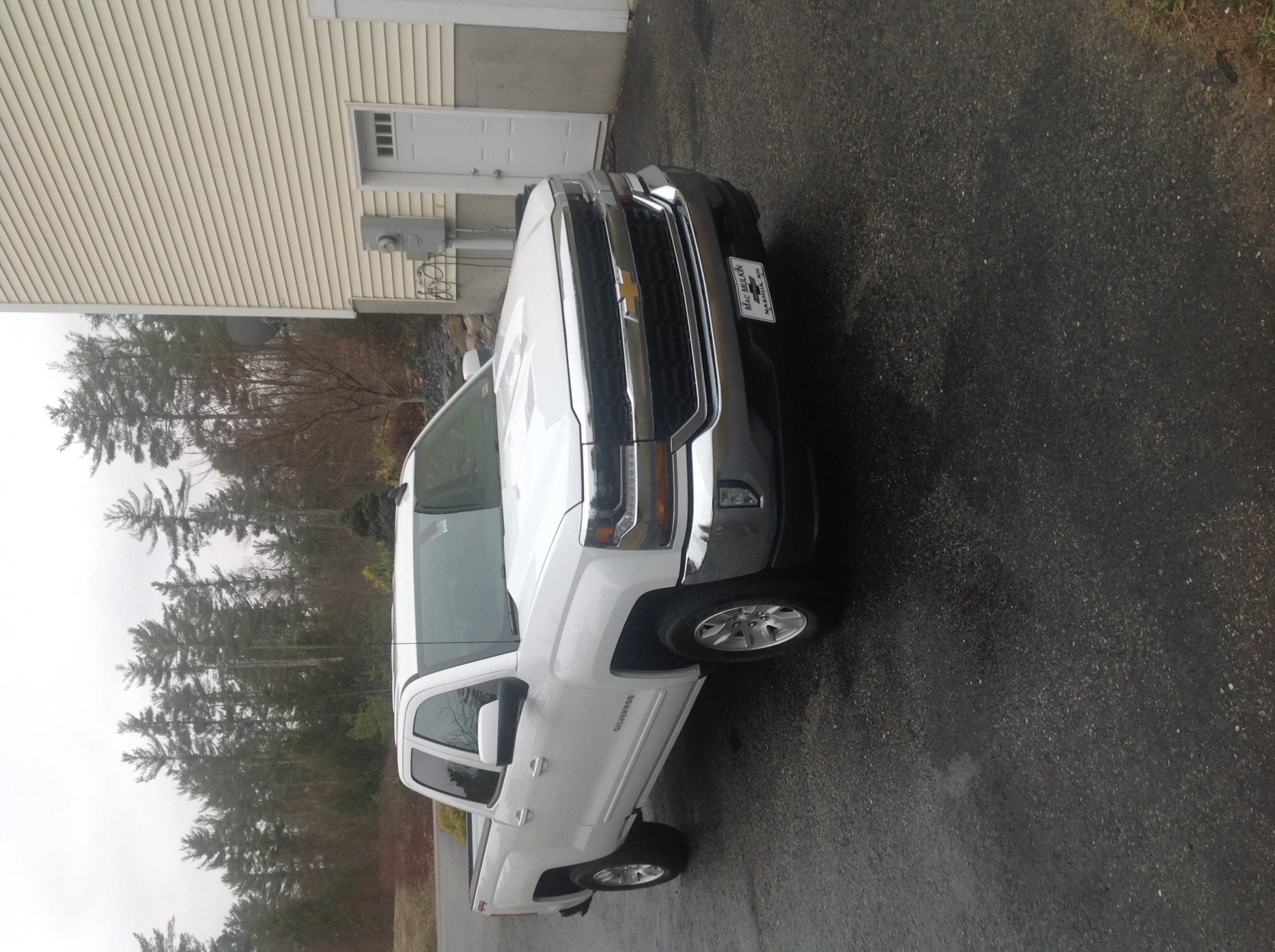
I still haven't discovered how to post a picture without it going sideways. Lol. But so far I've driven the thing 400 miles since I picked it up Sunday. Love it. Managed to average 21mpg on my first tank so far. I'm hoping I can average 24mpg a week (I drive like an old lady).



-
Forum Statistics
250.5k
Total Topics2.7m
Total Posts -
Member Statistics
342,990
Total Members8,960
Most Online
-
Who's Online 3 Members, 0 Anonymous, 647 Guests (See full list)