

Daly
-
Posts
1,036 -
Joined
-
Last visited
-
Days Won
7
Recent Profile Visitors
13,992 profile views




Daly's Achievements

Senior Enthusiast (8/11)
623
Reputation
-
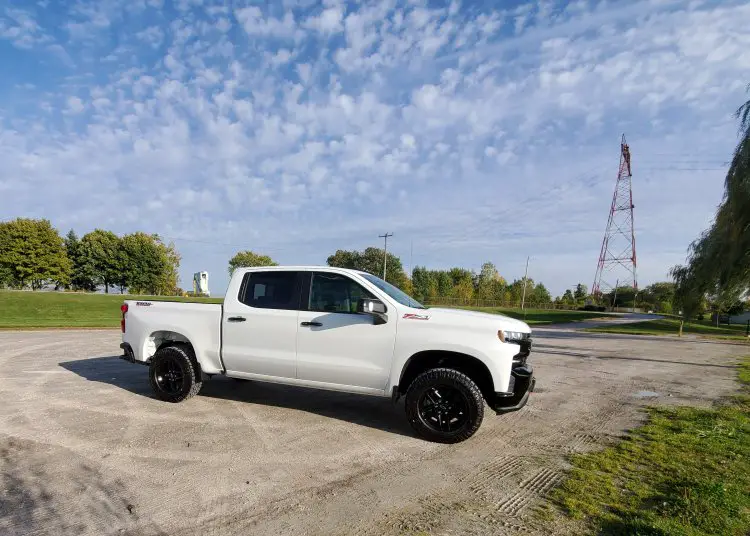
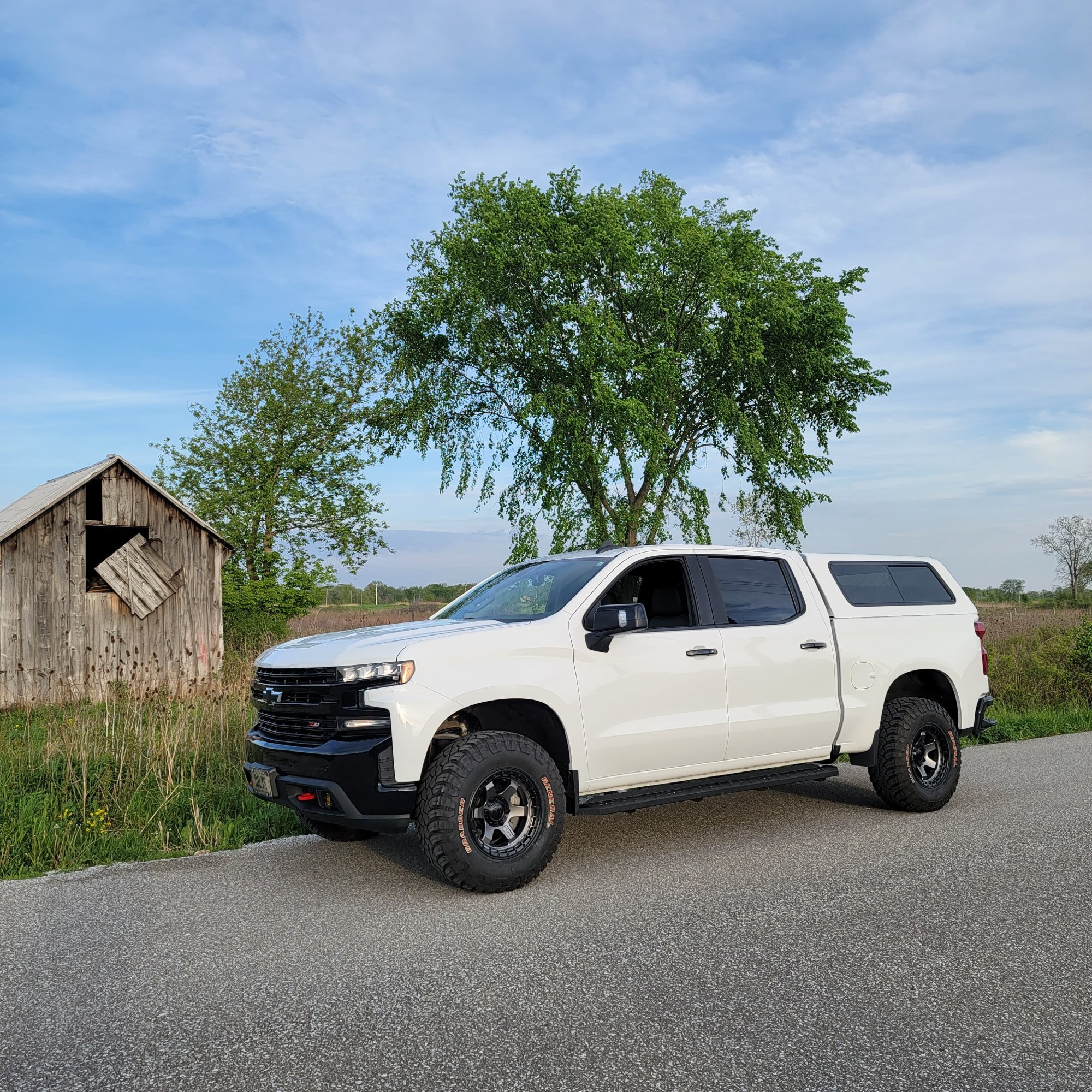
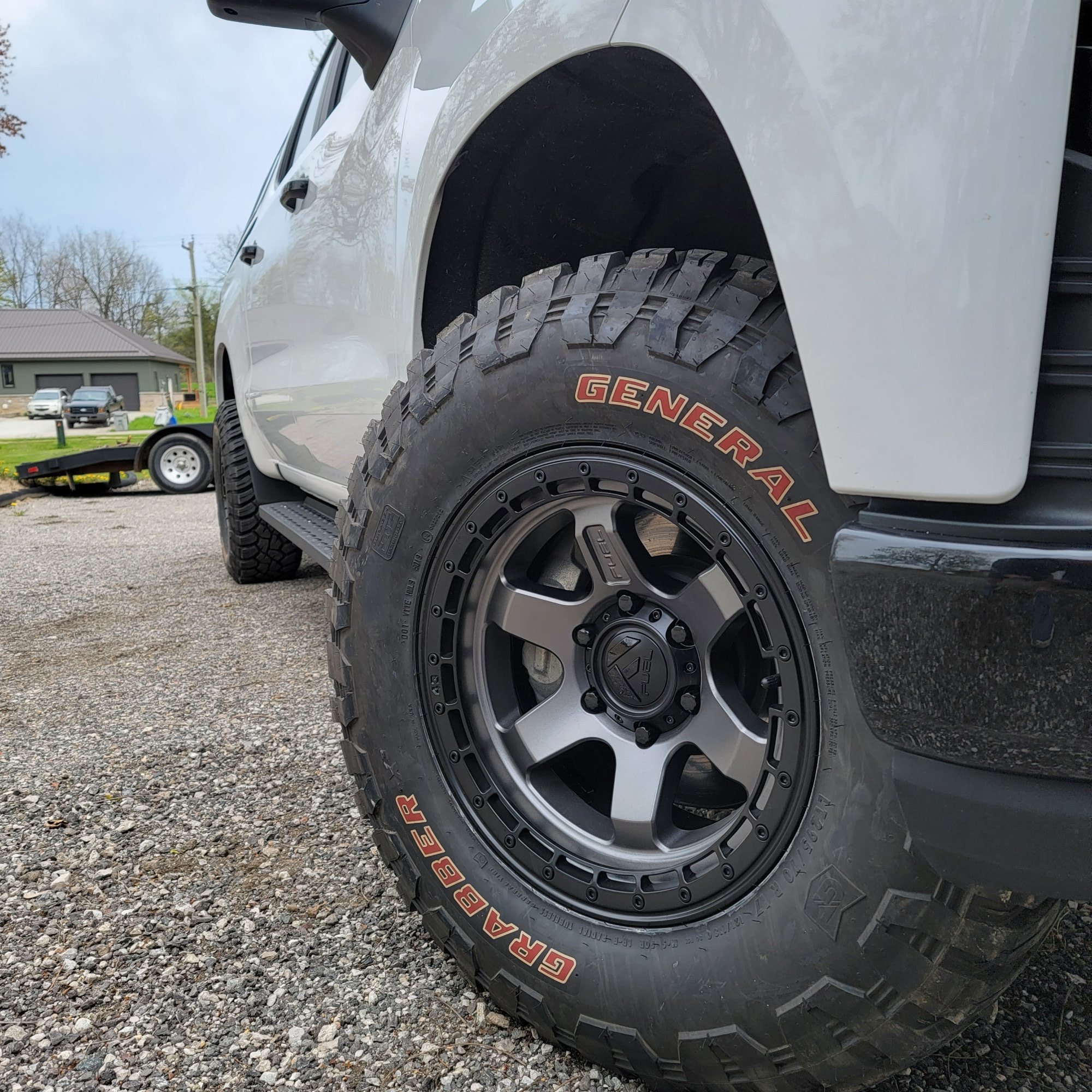
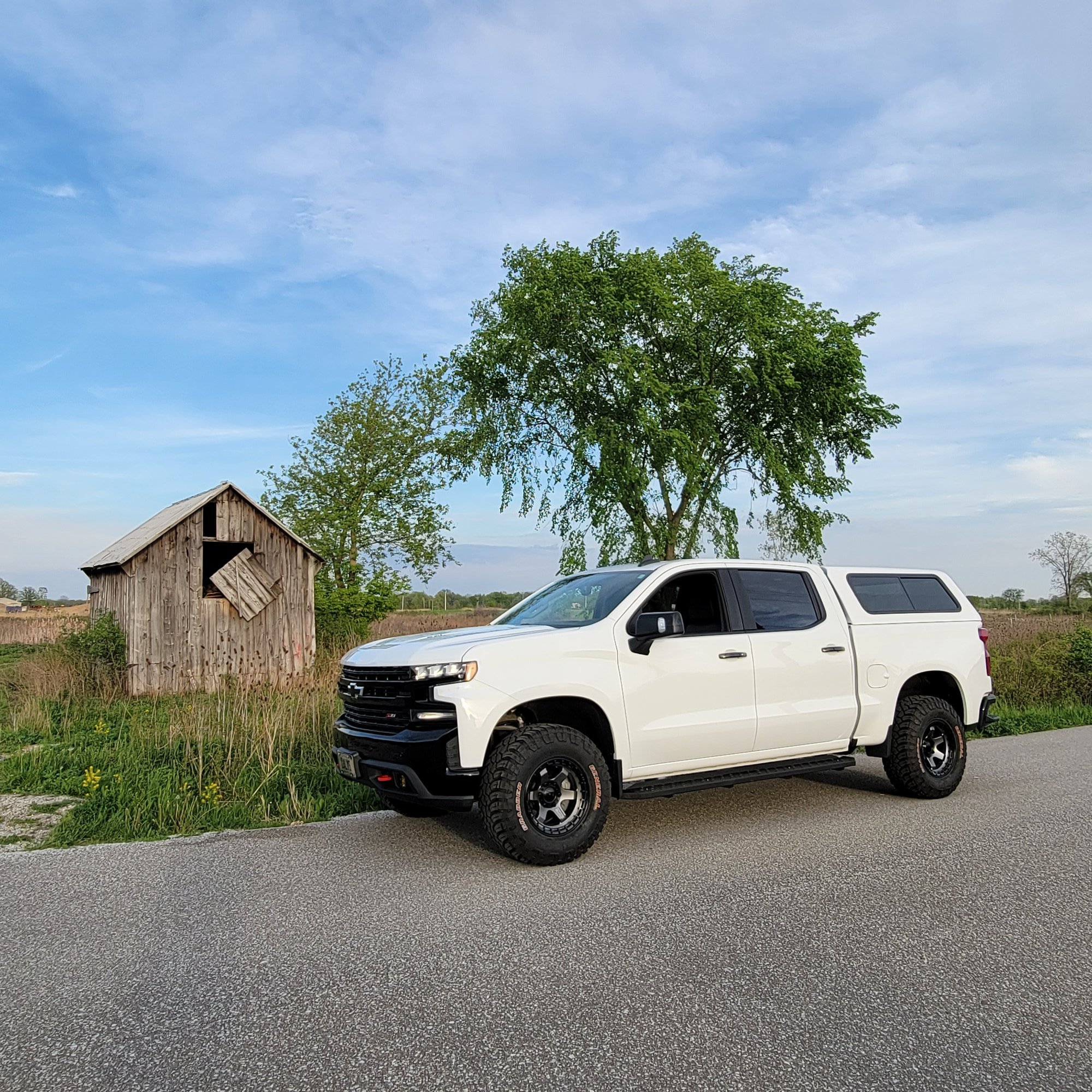
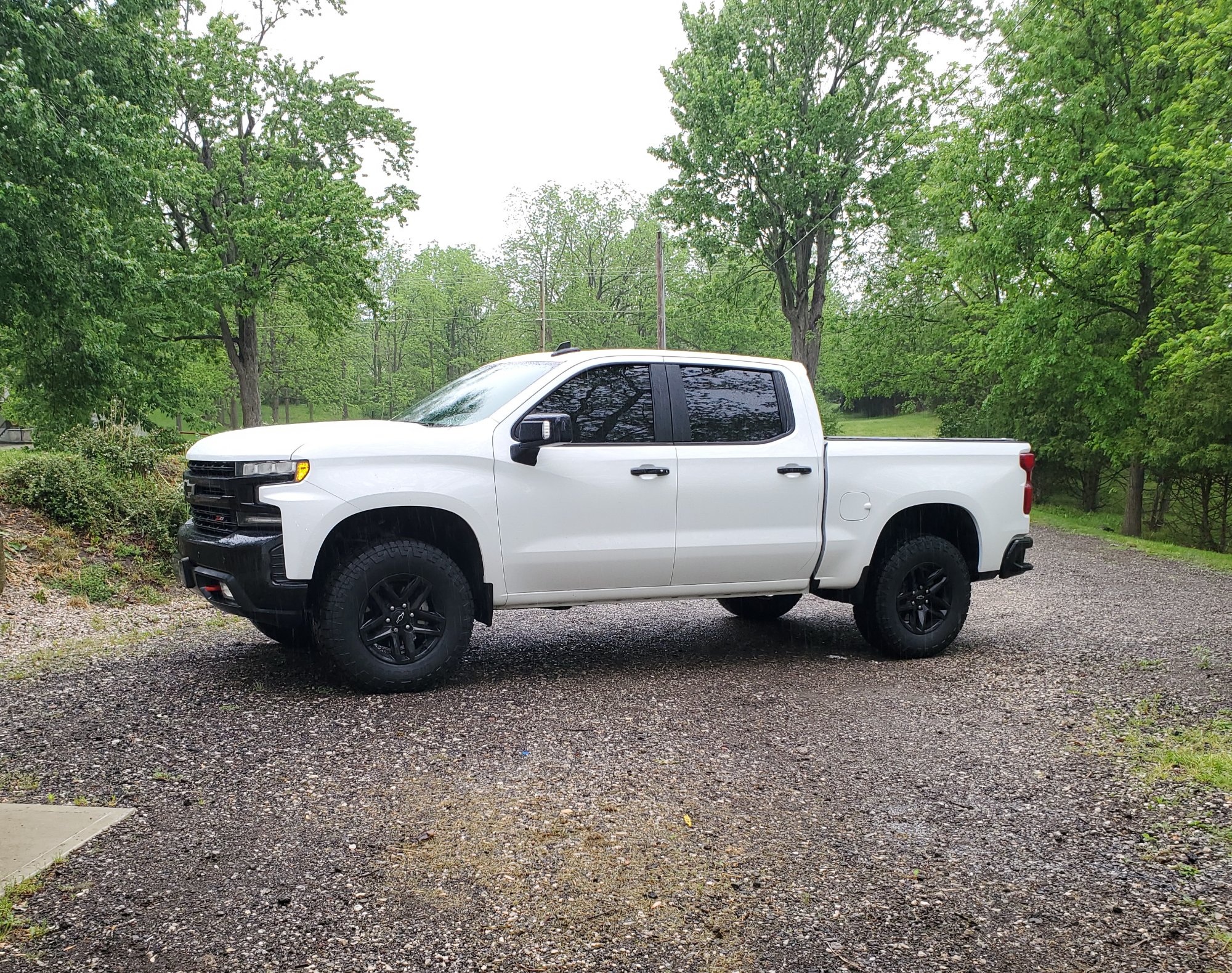
17x9 with -12mm offset and 295/70's. I had to trim the mudflaps fo it didn't rub anymore. its a trailboss with stock suspension. 2" lift over a standard z71 or 4x4

-
17x9-12mm Fuel Block 295/70r17 Grabber X3's Stock Trail Boss suspension.
-
Won't happen. If GM builds a truck smaller than the Colorado it'll be like the new Ford Maverick, based off a fwd crossover with no chance in hell of a regular cab option. You'd have better luck hoping they decide to put the 2.7 4cyl in a Colorado. But you still ain't gonna get a regular cab. Ford's the only manufacturer cool enough to make a regular cab short box now.
-
I don't think it looks bad, looks like a larger Tacomo and it's always been a good seller. Just hope they've managed to cut some weight and gain some fuel economy. Still not gonna buy one, but at least it doesn't look like a 1996 model anymore.
-
Nope completely stock
-
After going back and forth between 295/70r18s and 275/70r18s I finally pulled the trigger and went with 295/70's in a Cooper AT3 XLT, happy with the decision.
-
Chevrolet Performance Intake & Exhaust Installed w/video
Daly replied to Zane's topic in Modifications, Wheels & Tires
The GM CAI doesn't "require" calibration, but to optimize the CAI it includes a calibration for the MAF sensor. My guess is the aFe intake is the same. No different then any intake on other trucks. They all benefit from a tune. -
Did the shop prefill the torque converter before install? Sounds like it doesn't have enough fluid to perform properly.
-
It's not the typical way a flasher goes bad, but you could check it. It's under the dash by the column.
-
The 6.2 doesn't have AFM (active fuel management) it has DFM (dynamic fuel management). Some have luck with the Range device, but Range doesn't guarantee it'll work. The other option is the Pulsar LT, which will do more than just deactivate DFM and auto start/stop.
-
Discovered! Features you may not have known about...
Daly replied to txab's topic in 2014-2018 Silverado 1500 & Sierra 1500
I'm pretty sure my 2012 Silverado did that, even my 2009 Pontiac G5 might have. In fact I don't think I've had a vehicle newer then the G5 that hasn't done that. -
The all new 24hrs of Lemans. 8 hrs of racing 16hours watching battery charge. Sounds amazing lol
-
Don't want people to hear you rockin out to Justin Bieber?
-
Nobody is complaining about them taking it away, their applauding it. If there is a complaint, it's that the 6.2 isn't included.
-
My question is that if AFM/DFM is so great for fuel economy, why was it the first system to be dropped? Why not other systems, like LED lights, or wireless carplay, or park assist. Or maybe it's because AFM/DFM really doesn't do much and won't be missed much.


-
Forum Statistics
250.5k
Total Topics2.7m
Total Posts -
Member Statistics
342,947
Total Members8,960
Most Online
-
Who's Online 9 Members, 1 Anonymous, 654 Guests (See full list)