

Locom0tive
-
Posts
20 -
Joined
-
Last visited
Content Type
Profiles
Forums
Gallery
Events
Articles
RPO
Store
Blogs
Everything posted by Locom0tive
-
Wanted to see if you folks had one lying around before I pulled the trigger on a new one. LMK price and if you're willing to ship USPS Priority only. Thanks
-
2017+ Reverse Camera Dimmer Fix
Locom0tive replied to turbocdubs's topic in Modifications & Accessories
After years of living with the overly bright reverse camera screen that the dealer update did not fix, this mod finally did the trick. One thing to note is that disconnecting the wire also disabled my 110V AC outlet. Small price to pay for no longer being blinded when reversing at night, no other issues and works like a charm!- 27 replies
-
- 1
-

-
- reverse camera
- too bright
- (and 2 more)
-
Silverado 6L80E Transmission Thermostat Delete
Locom0tive replied to rav3's topic in 2014-2018 Silverado 1500 & Sierra 1500
Heh not trying to be argumentative, thanks for clarifying. I’ve come across many proprietary fittings (that look exactly like standard fittings) for foreign makers before so I always check for clarity beforehand. [emoji106] -
Silverado 6L80E Transmission Thermostat Delete
Locom0tive replied to rav3's topic in 2014-2018 Silverado 1500 & Sierra 1500
So basically opposite of what this diagram is saying? Would this diagram be a case of proprietary fittings (a la BMW)? -
Anyone know what exactly the fix is besides bringing it to the dealer? Dealer says they can't do anything more after replacing the module, wiring, and rear camera. I'd rather have an aftermarket system that actually works and is easy to replace than this thing which gives me the same blinding blue screen that I can't turn off at night. Truck is a 2017 SLE.
-
This is such a pain, I've had 2 Toyotas, both which had the frames replaced for free while out of warranty. Are these frames even available separately or do I just toss the truck when the time comes? From another former LS owner, these things seem like a catastrophe considering the truck is still in warranty and I've got frame rust, on my 2nd rear cam repair, transmission/powertrain issues etc. It's hard to accept then I read what the 8-speed Canyon folks are going through..
-
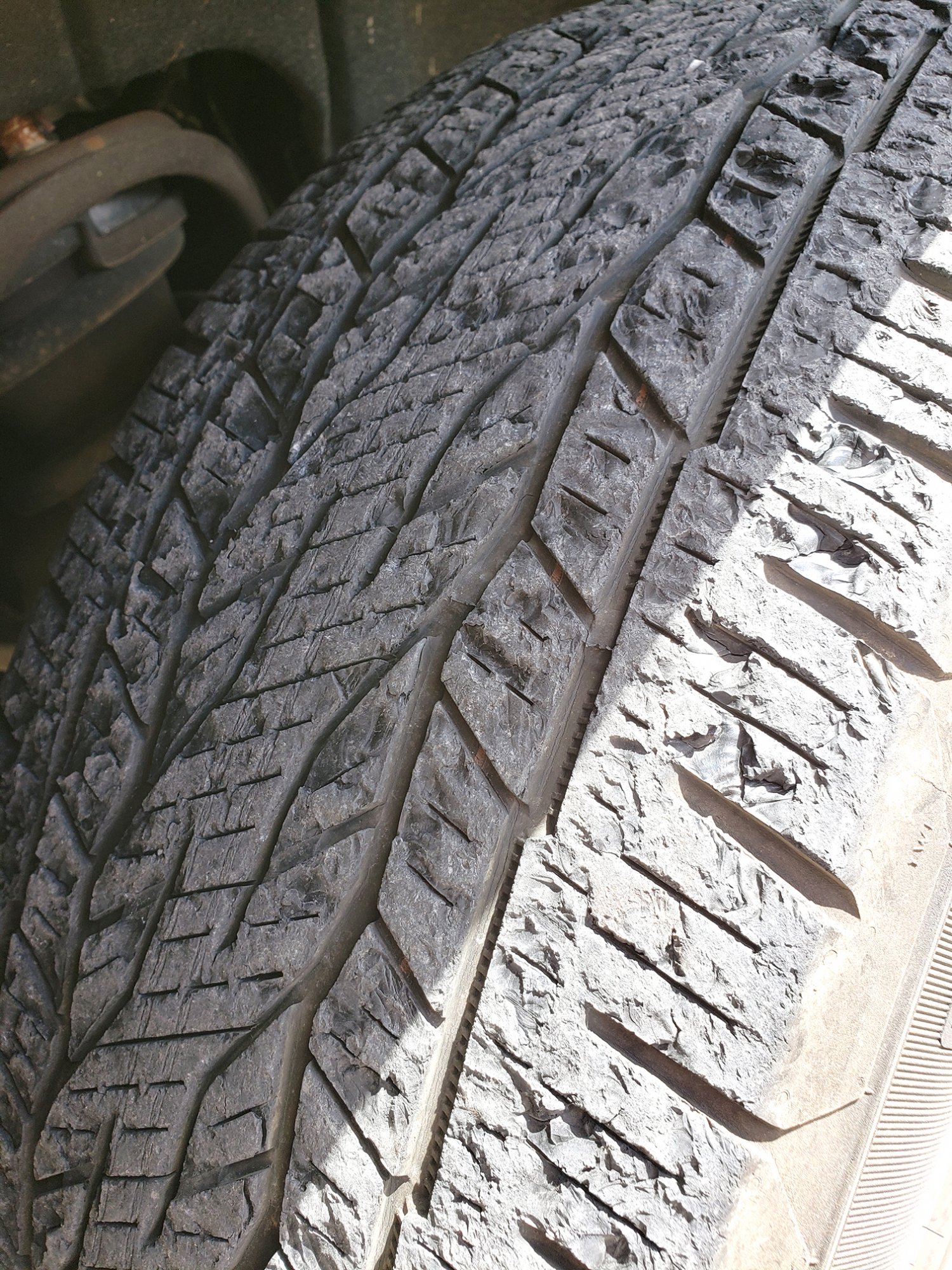
Anyone's stock tires falling apart?
Locom0tive replied to Locom0tive's topic in 2014-2018 Silverado 1500 & Sierra 1500
Yeah I figured I’d finally ask around to see if this was a common thing because I couldn’t find similar cases for this particular set while searching or any correlation through my driving experience. Truck tracks straight and smooth just like when I bought it. Basically I just wanted to see if this is about the time/range these tires tend to fall apart. The only other tire that I can remember having problems with were Federal Couragia but those were a different kind of mess. Thanks for all the input gents. -
Anyone's stock tires falling apart?
Locom0tive replied to Locom0tive's topic in 2014-2018 Silverado 1500 & Sierra 1500
No caustics, no rocky areas, alignment is at factory settings. White dust is from neighbor’s construction that settles on my driveway. Damage is similar at all four tires which has me stumped. I have several trucks with all different kinds of tires throughout the years and have never seen this happen, especially since this one doesn’t see the offroad or jobsite duty my other ones go through. -
Anyone's stock tires falling apart?
Locom0tive replied to Locom0tive's topic in 2014-2018 Silverado 1500 & Sierra 1500
Continental Crosscontact LX20 ecoplus -
Suddenly my 20k tires start falling apart in chunks. I have never seen this before, it's like they're disintegrating for no good reason. Cooper STT here I come...


-
Forum Statistics
250.6k
Total Topics2.7m
Total Posts -
Member Statistics
342,993
Total Members8,960
Most Online
-
Who's Online 0 Members, 0 Anonymous, 175 Guests (See full list)
- There are no registered users currently online