
Leaderboard

.thumb.JPG.2707f5cf70ec02838ebf5bc9a9c2f7dc.JPG)

.thumb.jpg.86f02fd2fd105ce655092cd32bf47f16.jpg)
Popular Content
Showing content with the highest reputation on 02/16/2025 in all areas
-
Reacher starts the 20th of this month2 points
-
I like graphs!2 points
-
I did just go through the 2024 GM service manual and the differential is allowed as a jacking point.
 2 points
 -
Mid Feb and it finally looks like winter here. Cold too. That was a long fall season.1 point
-
I’m thinking I will use it for a portable air compressor for reinflation after airing down tires, and maybe for a small compressor fridge in the back if I go back to truck topper camping at some point. The option cost was less than I could buy the battery for, so I figured I’d get it rather than later wishing I had ordered it.1 point
-
You probably use a similar Blue Sea ACR like originally came in my truck camper before I replaced it with a Victron DC to DC charger to support LiFePO4 batteries. I like how the charger allows me to program in a delay time for start battery recovery before turning on camper battery charging from the truck.1 point
-
To answer your question for yourself, you need to have a good understanding of the wiring and the way the isolator works. So here’s some additional clarification. I created confusion by using the word “accessories” to mean user-added equipment like a winch, compressor, fridge, ham radio, etc. I didn’t mean accessories as used in the basic truck configuration. Sorry for the poor word selection. I just did some measurements with my voltmeter and verified that the isolator relay is switched just as carkhz316 describes. The relay closes and connects the batteries when the ignition is turned on. The connection is via a 100 amp fuse and a wire that is smaller than a typical start battery cable. Because it is contributing less than 100 amps due the length and gage of the inteconnect cable, I would not have described the aux battery as “used for starting.” Instead it is simply connected during starting because of the “non-smart” way they chose to control the relay. The ideal way to set up an aux battery isolator is to not connect the aux battery to the start battery and alternator until after cranking and after an initial two or three minute recovery period for the start battery. That would require more complexity and cost, though. That less-than-100 amp current isn’t needed for starting (as evidenced by all the gas trucks with a single battery), but does help. You would not be able to start the engine via that wiring if the start battery was dead, though. If you want to have the ability to attempt a start from the aux battery, you would need a jumper cable arrangement or to swap the batteries. You can connect your own user-added accessories to 1) the start battery (hot all the time), 2) to the ignition on bus via the fuse box, or 3) to the accessory bus via the fuse box. With an aux battery, you have the fourth option of connecting your added accessory to the aux battery fuse block (hot all the time). If you have the upfitter switches option, you could connect to those switches, which in turn are powered from whichever battery you choose, but the kit is set up for powering them from the start battery. The advantage of powering your added accessory from the aux battery is that you can use it when the truck is not running, and even use it to the point where you significantly deplete the aux battery if you need to. The start battery will not power the added accessory when the truck is not running, preserving the charge of the start battery for starting. When the truck is running, you can continue to use the accessory and the alternator will recharge the aux battery. Hopefully your options and the reasons to select a particular option are more clear now. Ask more questions if it’s still not clear.1 point
-
I have a ‘21 AT4 with 6.2 and it’s the best vehicle I’ve had. Tons of power, nice ride, lots of features, super comfortable. I’ve had it for 3 years. I bought it used in January ‘22. No issues. Hasn’t been in the shop for anything. I will say that the stock Goodyear duratracs leave a bit to be desired and they are noisy.1 point
-
My opinion is the newer the better. Likely have less miles, less chance of first year problems and less wear.1 point
-
I purchased a 2020 Silverado double cab 5.3 with the Z71 package new. I have 53,000 miles now and except for a couple early check engine lights resolved under warranty has been trouble free. I replaced the battery at 4 years old, normal oil changes usually between 10 and 20 % on the oil life monitor. Recently, I had a transmission service, transfer case service and brake fluid exchange. All services and battery were done at a dealer. I had the dealer install Rancho 9000 shocks and struts that I ordered from Rancho. Much less bounce, better ride than the stock Ranchos. I do not tow or haul heavy loads, but it is my daily transportation.1 point
-
I know you didn't ask me, but I do know the answer. If you have the OEM factory equipped aux battery configuration that has the relay like pictured in the above picture then what happens is that the auxiliary battery is during starting and running, but is disconnected when the truck is off. The truck then relies on Key-OFF; Engine OFF power from the original battery. The diesels and upfitter kits DO NOT have the relay and instead have the batteries wired in parallel at all times.1 point
-
Thanks I thought that was the date but wasn't sure.1 point
-
Pics worth a thousand words.1 point
-
Migrating back to oil filters............. I just changed mine yesterday. I now have about 24,500 miles on my 2024 3500 6.6 gasser. The filter in the pic is drying to be put away for next change, as i have 2 filters because they dont sell just the base. As the base on one is for another vehicle thread size i had before the cheby, So its just swap out filter everything but the base, clean let dry, seal, put away till next time. Next time being if the motor dont crap out. So far so good, motor hasn't carped out. Still sounds very, very, very happy.
1 point
-
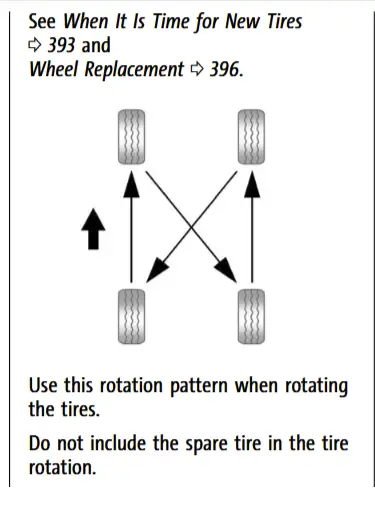
Tire shops automatically do it this way because it simple and fast.1 point
-
You are showing the jack points for the included bottle jack. You don't use those points servicing the vehicle with a floor jack or a hoist. Mine is from the service manual and it is 7 pages long showing where to lift the vehicle. I created a PDF of just the jacking point section if you would like a copy.1 point
-
Interesting that it is not in the owners manual
1 point
-
This is the way I do mine.1 point
-
fyi
1 point
-
I found the issue. I tend to reach for the options not provided originally on my truck. I 've bought a few replacement HMIs wanting to add navigation to my stock I05 radio, like the I06. Turns out, the latest HMI I bought (from WAMS, of course) wasn't configured in the BTDiesel system for my truck. Once I contacted BTDiesel, they fixed it almost immediately. From BTDiesel support: "Ok it looks like the issue stems from the fact that you’ve swapped the HMI module multiple times in your truck. So the server/AutoSync didn’t know which module to build tunes for. It should be fixed now…" Afterward, no issues.1 point
-
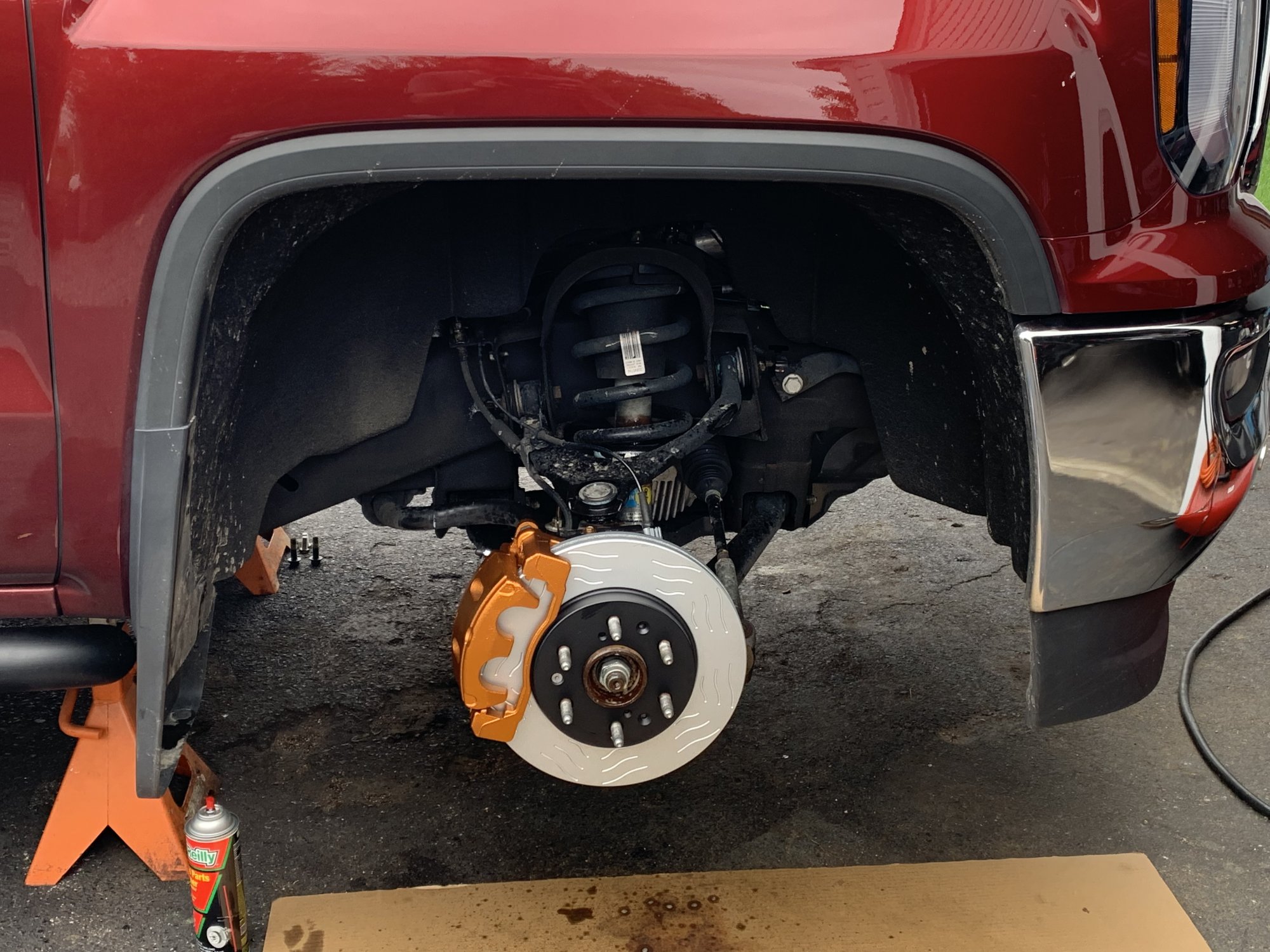
Posted in another thread...but to follow up 2017 Sierra. 63 k front pads 50 percent worn front rotors are warped. Pads dug into them pretty good. All slide pins were fine. Everything came apart easy minus the bleeders. They were starting to rust jack and didn’t come out well. Bought a new set from NAPA...the self bleeders. Removed calipers to clean and paint them. Trying to keep the rust away and make this thing last. waiting on pads delivery (Friday) but went with AC deco severe duty from RA. Came to a little under $300 for the fronts. Rears at a later date. Not sure if they need it but I plan on pulling the calipers to paint and match the front sooner than later. I’m 99 percent sure the front rotors were causing the pulsation at highway speeds while braking.
1 point

.thumb.JPG.2c573de60d3a3a4407c7d92298db46dd.JPG)









This leaderboard is set to New York/GMT-04:00