Jump to content

5.3 direct injection noises


Exhausted

Recommended Posts

Posted

DI engines have a rep for being noisy. Lexus has had them for years. Lots of complaints, since they are "luxury cars".


BTW, Slim Jims meat and meat by-products. LOL.

Posted

Okay so I found an article that says the high pressure mechanical fuel pump is under the intake manifold and is driven by the camshaft.

Also with about 2500 miles now either I am getting used to it or it's getting more quite

  • 1 month later...
Posted

I have a 2015 5.3L with about 4000k on it. I notice it at the drive thru as well & being an engine guy, it drives me nuts! But it is completely normal on these DI engines...that and a little bit of whine if you rev it a bit as well. I plan on getting a CAI & new exhaust asap to make it sound like it should for a V8. But first....leveling it & getting different tires.

  • 2 weeks later...
Posted

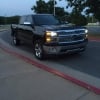
I carried my 2015 Chevrolet Silverado into the dealership today for this same thing. I bought it a week ago today. I did not hear the ticking until I went thru a drive thru. I went home and listened to it from outside the truck and it sounds like it's coming from under the truck. Service Manager today said it was the DI's making the noise and no way to stop them. Perfectly normal. It sounds exactly like yours in the video.

Archived

This topic is now archived and is closed to further replies.

  • Latest Articles

  • Posts

    • Has anyone run these on their 2500?
    • have you stuck with dealer oil changes since then? I made the same switch after getting tired of crawling around under the truck, but I’ve found some dealers are way better than others about getting you in quickly. Curious if yours has been good about scheduling or if you’ve had to look elsewhere for quicker turnaround.
    • Thank you.   I am set on a 3.0 Duramax as my previous truck with a Ford Ecoboost had just as many, if not more, "common" issues.  Cam phasers, timing chain issues, 10-speed valve body and CDF drum, emissions issues, etc.  So I figured, why not get 2x the fuel mileage (these things got 27+mpg on every mixed city/highway test drive I put them through) and better towing capability with resale value to boot?   My minimum, shortest trip will be 50 miles 1-way and I regularly go out of state with a travel trailer.  I'm planning on using this for a marketing/event promotion business also, which would require regular towing of trailers for bands, DJs, sound and lighting gear, along with my personal camera gear for filming events.   Looked at other trucks in the $30k+ price range but the issues seem to be everywhere, plus too many with gaudy mods.  I'm literally sticking with RWD trucks because they tend to be actually used as trucks, vs. the 4x4 models I've seen with unsafe lifts, huge tires, and general mods that would affect reliability (I'm wondering if some of them were tuned, hence the aggressive throttle response and hard shifting).   So my goal is to find a stock, 3.0 with 1 or 2 owners, in good physical condition, and decently well maintained.  Can't seem to find that up here, everything in the $27-30k range has had multiple owners, smoke smell, issues, or body damage.  Or the ridiculously modified trucks with 80k miles for under $27k but lots of problems...
    • That’s pretty tough Grumpy. I reread the previous few posts. They all reference oil changes. Much like your last thread. In my humble opinion it keeps things interesting.
    • Engine Wear and ISO 4406   1.) Cold Starts. 2.) High Particle Count. 3.) Low operating temperature viscosity and high low temperature cranking viscosity. 4.) Depleted AW, Friction and Acid packages.  5.) High engine load.    https://me.caltexlubricants.com/en_me/home/learning/from-chevron/heavy-duty-diesel-vehicles-and-equipment/The-Importance-of-Clean-Engine-Oil-and-Its-Impact-on-Equipment-and-Business-Performance.html   High particle counts have five sources. 1.) They are manufactured within the engine. Both wear debris and amalgamation of degradation products and combustion driven soot (worse in GDI). 2.) They are ingested via intake air. Ever hear the best oil filter is a good air filter? 3.) They are entrained in the fuel. 4.) This one is insidious. They are introduced in 'fresh oil'. 5.) They are introduced during the oil change.   ISO 4406 is the test that measures and quantifies the combine effects of all of the above particle related issues. You can mitigate your way into multiples of engine life by being attentive to them all.    https://www.hyprofiltration.com/blog/is-new-oil-clean   (from the link above)    [Quote] What Is the Recommended ISO 4406 Cleanliness Code for New Oil?   A good upper limit for new oil cleanliness is 16/14/11 (ISO 4406). Typical new oil usually has ISO codes of 19/17/15 or worse, which is far too dirty for sensitive components. This can be a major cause of degradation and premature failure. [Close quote].     Source of graph: Machinery Lubrication (GM Study)  
  • GM-Trucks.com Clubs

  • Popular Contributors

×
×
  • Create New...