
ftwhite
-
Posts
406 -
Joined
-
Last visited
-
Days Won
1
Content Type
Profiles
Forums
Gallery
Events
Articles
RPO
Store
Blogs
Everything posted by ftwhite
-
I’m have Magnaflow. Good low note, not loud. However, with aftermarket y pipe and cats, and aftermarket engine, I am surprised you didn’t already do headers. Stock type manifold? That will change the exhaust note a lot to any downstream piece.
-
I got mine replaced with new tires about 5years in. Discount tire. Two failed within a year, and they replaced for free. I assume aftermarket ones. Just my story, no opinion on the right path. I have to assume OEM are better quality.
-
2016 Silverado upper and lower control arm???
ftwhite replied to Rickyace09's topic in Troubleshooting & Recalls
Cost is about $40/ball joint or about $150/ arm with ball joint. Personally, I would chose replacing the arms because pressing the factory ball joints out and the replacements in is more difficult because of how they are crimped in. Second the recommendation to find the part number on Rockauto. too many variables to just throw one out there. -
You can swap the L86 intake manifold and TB on to a L83 engine, so I’d assume you can but you’ll need the right parts for the L86. Hoses are in different places for example. Call whipple to see if they have a kit.
-
Dealership, Amsoil or Mobil 1 Oil change
ftwhite replied to UrbanRage's topic in Engines & Drivetrain
I think amsoil is a better oil than Mobil1. I use amsoil signature 5w-30 when I can. My dealer offers Mobil 1 or Amsoil OE as an upgrade/up-charge. So either they do too, or at least enjoy profiting from the perception. I change my oil every 3-5k because I like to, and it’s fun in my garage. Analysis every 3rd change indicates Amsoil 5w30 works. But so do the samples from the 0w20 from the dealer. -
Unless cost is an issue, I woukd not use line level inputs from a Bose system. Bose systems are very processed to get a certain sound from certain speakers. Mixing and matching didn’t provide good results for me. I used a Nav-TV unit that provides a flat source from the factory head unit. Sounded great. Worked 100% of the time. Used JL audio amps with Focal speakers. Ended up with an extra NavTV for 2014-2018, as well that I have been meaning to sell.
-
Rattle near feet when accelerating/engine has load
ftwhite replied to Jchis372's topic in Troubleshooting & Recalls
Might be exhaust leak. Try soapy water at the manifold and see if you can find bubbles when you blow air up exhaust pipe with shop vac (if yours has air out hook up) -
Thinking of changing oil weight to 5W30 after GM's recent recall
ftwhite replied to rav3's topic in Engines & Drivetrain
I have been using 5w-30 mostly since I got my 2018 6.2L new. My logic was this engine is very similar to LT1, and 5w-30 is recommended there, and protects from wear better. Any gas mileage lost was worth it to me since I knew I was going to keep it well past warranty period. Oil analysis over the 103,000 miles has shown it works fine. 0w-20 also worked when the dealer performed oil change a few times, so long as I kept oil change interval to less than 4-5k. Not enough samples of each at consistent intervals to be scientific, but good enough for me. Not sure I’d go to 0-40, but good to know 40 an option for super hot conditions. add: anyone switched their 8speed from the LV (low viscosity) ATF to the normal ATF? I assume it was spec’ed for similar reasons, with similar wear risks. I use the Amsoil LV ATF now, and it seems to work well, but maybe the high viscosity stuff can get me to 200k? -
I had similar symptoms when I forgot to plug throttle body back in. Has you been working on the truck before it started, or it just drove fine last time and broke this time?
-
You didn’t mention year or model, but still seems like a grounding issue. Mine (2018) used to behave similar but not from cold. I could open the hood and short out between the negative battery terminal and the body with a large screwdriver. It would then start up and work fine. I replaced the ground cable, did a “big three” upgrade of power/grounds, and checked the dashboard grounding point (up by driver’s side a-piller). Haven’t had trouble since. Good luck.
-
I had Black Bear provide me a tune, and I also later had a local shop do an HP Tuners tune on a dyno. I learned a lot about tunes on the second, but the improvements to torque and horsepower were not significant enough to make much driving experience change. I currently have the HPTuner tune applied, but felt the Black Bear did a little better job with dialing in the "shift points" using what's available outside unlocking the transmission. So, it depends if you have a local shop with dyno, and/or want to get deep into settings; or if you want more of a DIY "plug and play". I highly recommend Black Bear for the later. I have used them on 3 GM trucks/suvs, and no complaints. 200k+ miles combined easy with no troubles or dealer issues. Dealer does "flash back" and report it as an update when they have done work.
-
Suspension Noise in Front End in Cool/Cold Weather (≤50°F)
ftwhite replied to 03msc's topic in Troubleshooting & Recalls
Original Rancho factory shocks? My 18 doesn’t have similar behavior (factory shocks long gone), but I do get more suspension travel squeaks in cold/freezing temperatures. Maybe CV axle boot? -
Budget? hard to answer without a general idea. I really like the JL Stealth box sub for the center console, since it is hidden and provides good tight and loud enough bass. I had to add a 500w amp. And then replaced all stock speakers with a six way active (tweeter is sail panel, mids in the dash, and woofers in door) with an additional six channel amp. All running off the stock head unit. I use a NavTV signal processor to interface between head unit and amps. Great sound. On the expensive side. Easier to add a sub under rear seat, use coax to replace door speakers and an amp to run them. Then use after market head unit or interface.
-
If the rear is currently stock ranchos, it has a small block under spring (1.25”). Removing front lift spacer will put factory front rake back (front slightly lower than unloaded rear) and should make ride smoother, since front shocks will ride in the middle of their travel rather than being “stretched”. I didn’t like stock ranchos. Too soft and not enough control. I went Fox and like them, but they are not “smooth” like I assume you mean. I would think the Bilstiens might be good upgrade.
-
Amsoil Transmission fluid type for flush?
ftwhite replied to Rickyace09's topic in Engines & Drivetrain
I put the amsoil signature in my 2018 at 65,000m. Now has 95,000m. Works. In fact all the slippage in lower gears that the dealer tried to address twice with flush and fluid upgrade, is gone. Runs and shifts smooth. Good vids on YouTube how to drain, pump more out through trans cooler, and replace. Good luck. Pretty straightforward job. -
Power Steering Failure / Electrical Shutoff
ftwhite replied to bowtieman's topic in Troubleshooting & Recalls
Almost every electrical issues I have had with the four GM trucks I have owned have been traced to poor grounds. In two cases, several trips to the dealer didn’t resolve the issue until they just replaced the main battery ground. I did this on my 2018 Silverado as well when it started showing signs and all is well since. Testing the connection and testing the resistance on the bench didn’t show a consistent issue, but replacing the cable fixed the problem. -
2017 Sierra Trans pan drop n fluid change
ftwhite replied to jseams26's topic in Troubleshooting & Recalls
I switched to amsoil after dealer updates to new fluid and second dealer fluid flush didn’t improve Transmission shifting. I have 40k miles on amsoil on 8speed and very happy. Will do a pan drop and refill this summer with amsoil again. No troubles with mix, but did use the cooler hose and transmission pump to get a lot more than just pan oil out. -
2015 silverado electrical issue
ftwhite replied to Bob Reynolds's topic in Troubleshooting & Recalls
Sounds like a grounding issue. Check the three main ground points, but particularly the body ground as I believe that’s where the BCM gets ground from. Could be too that your neg battery cable is faulty. You Can check resistance of cables. -
2018 Silverado aftermarket audio wiring help
ftwhite replied to Anthony Ventura's topic in Modifications & Accessories
Are you using an aftermarket head unit, or are you trying to tap into the factory head unit? I guess I assume factory, since if it was aftermarket, you just run RCAs to the new amp. However, with factory, it depends if you have the Bose system or not. In codes, that's the "IO6" or "IO5" system. If that's what you're dealing with than you have two paths: 1) use an LOC, and tap into the speaker level outputs to feed your sub; 2) spend some money to by a unit that taps into the MOST-50 signal that GM uses. This later one gets you a flat RCA level output that contains AND attenuates the environment sounds produced by the car and OnStar. If you go LOC, I believe these sounds get amplified based on the music volume. Depending on the system, you might have 4 door speakers (front and rear) and two dash speakers, plus a sub. So up to six drivers and 6 channels (R, L, C, S). I went with a NavTV M650-GM. Expensive, but it gets me a unprocessed, flat RCA level output that I can feed and process the way I want to.- 1 reply
-
- 1
-

-
What have you done to your K2 today?
ftwhite replied to block8head's topic in Modifications & Accessories
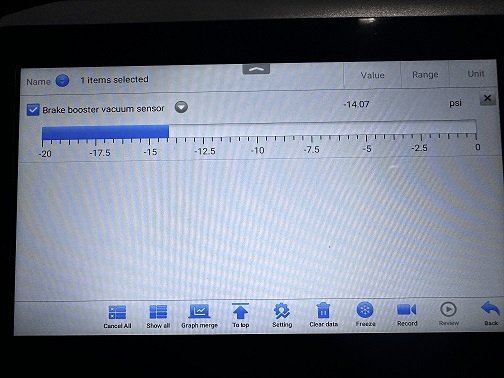
Swapped out Fox 2.0s with 80k on them, for new Fox 2.5 with resi. Direct comparison is not fair because the old ones were worn out, but I say I really like the ride and control of the new ones. From order to delivery was only 7 months, so they'd better be good. While I was at it, I addressed low psi in the brake vacuum, by replacing the vacuum pump. My truck is an 2018, but had older part number (12669488). So I got new one from Amazon (100$) part # 12696313. Checked Brake Booster Vacuum before at idle: ~12psi, and dropped to 1-2psi on peddle pump. Checked after: 14psi at idle, and 3psi on peddle pump. Not much difference, but the pulley bearings were going bad, and I replaced the belt, so still worth it at 80k.
-
What have you done to your K2 today?
ftwhite replied to block8head's topic in Modifications & Accessories
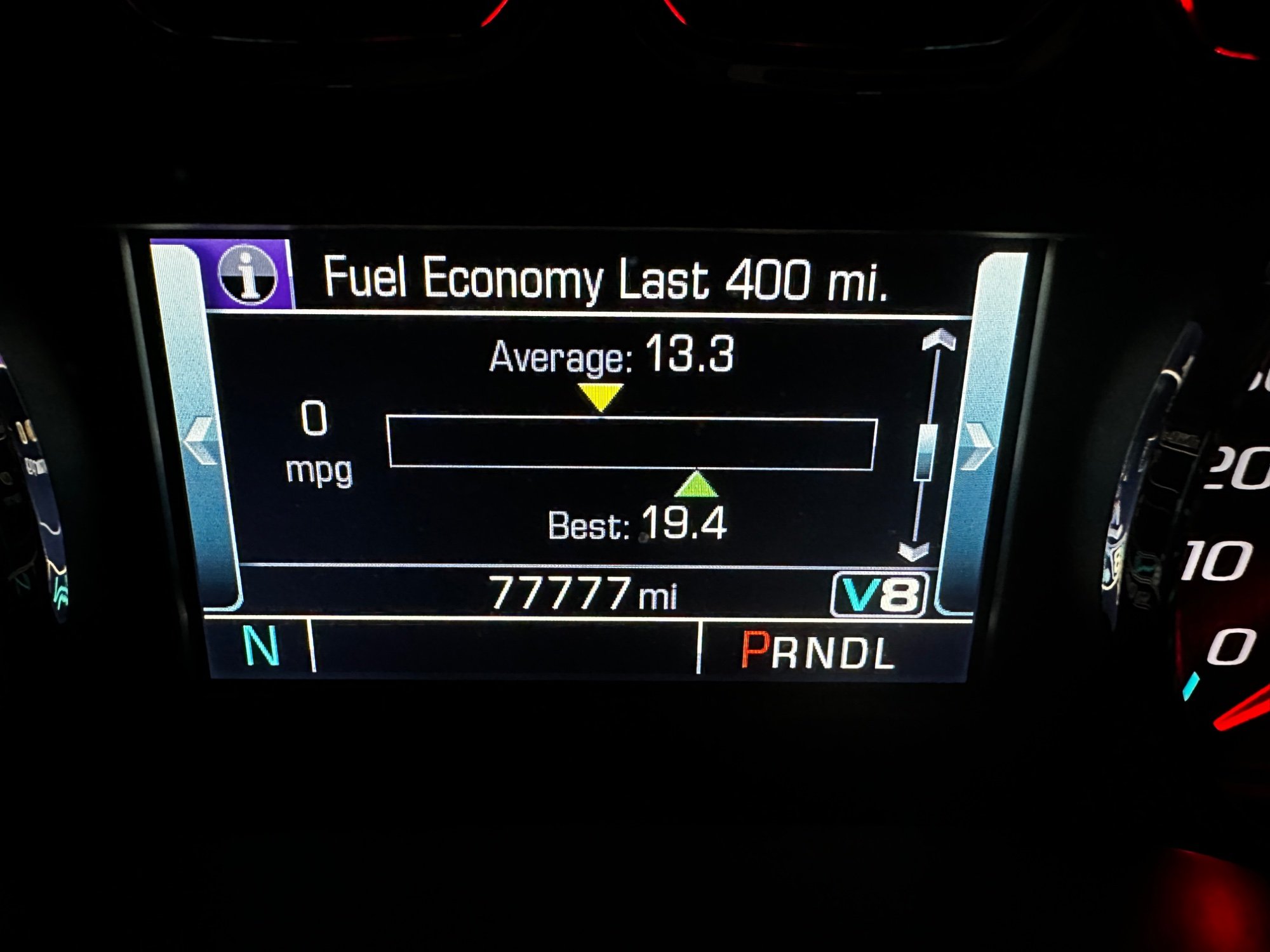
Lucky mileage
-
Leveling Kit - Upper Strut Spacers Vs. Lower Block Spacers
ftwhite replied to BlaineBug's topic in Engines & Drivetrain
Sounds like a great setup. Agree that for jeeps, higher creates more issues and drivability problems. My TJ came with a 3inch body lift and I added 2inch lift with springs. I want to cut the body lift in half, but haven't pulled the trigger yet. Apples/Oranges = Fruit. Not my intent to be derogatory. Sorry about how I worded that. -
Leveling Kit - Upper Strut Spacers Vs. Lower Block Spacers
ftwhite replied to BlaineBug's topic in Engines & Drivetrain
Sure. Fruit. You had mentioned 8 bolts, and I could only come up with solid axle to count 8 bolts (one on each end of four arms used to located a solid axle. So I just offered examples of adjustable lower arms used to located the wheel that had bushings. Regardless of the apple/oranges, I would think the bushing on the body side don't really care if the axle is solid or of a CV joint nature. As you point out, it needs to be torqued/tightened at ride height to maximize lifetime. I honestly had not thought of that when I did my lifts on my Silverado. So its a good point and we agree on that at least. -
Leveling Kit - Upper Strut Spacers Vs. Lower Block Spacers
ftwhite replied to BlaineBug's topic in Engines & Drivetrain
I think we agree, but are just calling what the "assembly" is different. I think in your description, you consider the spacers part of the shock/coilover/spring. What I am saying is that they are actually part of the body and arm mounts. They just move the mounting locations. The fact you bolt them to the top of the shock/coilover first, is just a convenient installation step. They don't change the shock length, preload, or piston location at rest. Its the same. If you use coilovers and preload to adjust ride height, you are changing the relation of the spring to the shock, which changes its ride height length (lift or lower) but since the shock piston and shaft are the same, you end up just moving where they start off. So they bottom out sooner, or top out sooner. Unless you get the longer ones designed for the desired height to begin with. I think we are saying the same thing. -
Leveling Kit - Upper Strut Spacers Vs. Lower Block Spacers
ftwhite replied to BlaineBug's topic in Engines & Drivetrain
Toyota 4Runners and Tacomas both adjust via the lower arms. My Jeep TJ also has adjustable lowers. but I agree they may not touch them on a Silverado unless you ask them to.