


ftwhite
-
Posts
405 -
Joined
-
Last visited
-
Days Won
1
Content Type
Profiles
Forums
Gallery
Events
Articles
RPO
Store
Blogs
Everything posted by ftwhite
-
Snowcamo is spot on that the lift type/size makes a difference. In any case, you usually don't need to replace lowers with uppers. They can be replaced separately, and the uppers do more to correct for aligning a lift and angles. Even though there are some opinions out there that Moog has declined in quality in recent years, I doubt they would fail in one month. So, I would suspect something else. Bad alignment, suspension travel past the joint's limits (from lift or mods), damage from impacts. It's possible you got a defective replacement joint, but odds are long.
-
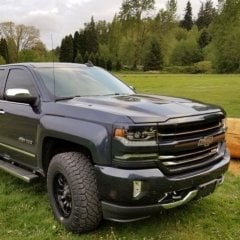
2016 Chevy Silverado 1500 LTZ Black Widow
ftwhite replied to Biggdog45's topic in Troubleshooting & Recalls
it an optional mounting bracket that you might not have and need to buy: Front License Plate Bracket 23354526
-
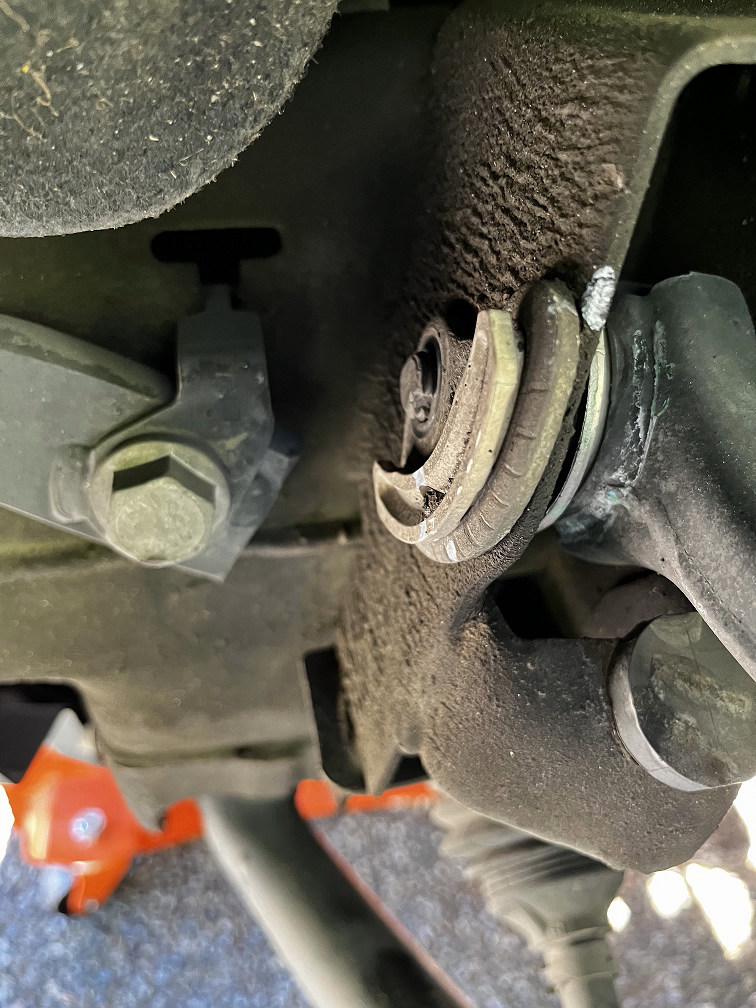
If the object is to keep it simple, use the ReadyLift control arms. They have a replaceable ball joint, and probably work with your spacer lift. In either case, once you get them installed, check your max droop. This is the max down travel of the tire/suspension. Jack one side of the car up at a time, and then both sides at the same time. If the UCA is NOT hitting the droop stop ("frame", but really just a welded bracket), then either the shock, or something else is stopping the down travel. Find what it is. If it's the shock, then you are good (you need to measure to figure this out). if it's the UCA hitting the coil, then your spacer is too tall. If it does hit the droop stop, then it is limiting shock travel. Might be a good thing as it might limit the UCA hitting something else further down, or the ball joint getting maxed out. However, aftermarket UCAs, ball joints, and coil overs are usually designed for more droop travel. So if you don't remove the factory droop stops, you are kind of wasting money, or at least creating an abrupt suspension limit for no reason. But again, to keep it simple, just buy the aftermarket UCAs for their improved ball joints, which you needed to do anyway, and leave the droop stop in, which limits travel and is harder on the arms, but no more so than it has already been. Note: I am still learning about suspension and how all the parts influence each other, so their maybe better advice out there, but this has worked for me on two Silverado's, one Jeep, and one 4runner. Just being transparent. I cut the droop stops off my 2018, but I have Fox 2.0 coil overs for 2" lift, after market wheels with 0 offset, and Cognito UCAs. It seems to work just fine. The coil overs are the droop limiter for mine.
-
Brakes, balljoints, tierod ends
ftwhite replied to Spurshot's topic in 2014-2018 Silverado 1500 & Sierra 1500
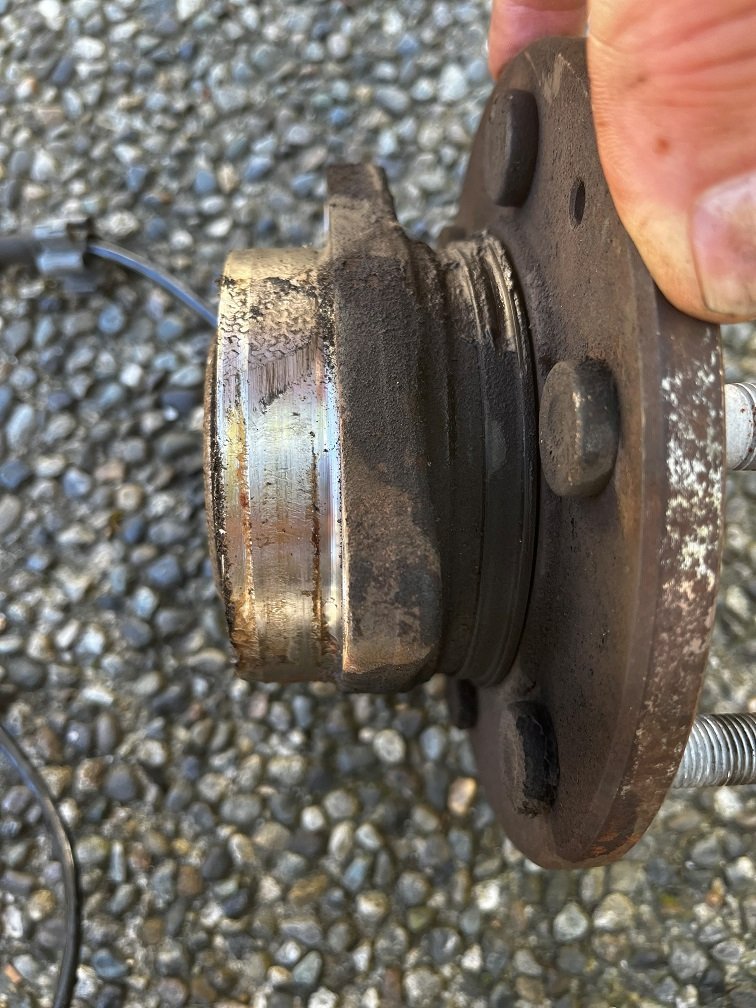
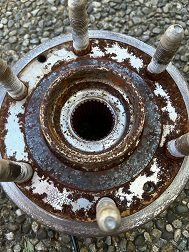
Replaced my hubs because I was replacing upper control arms for failed ball joints. They looked rusty and seemed to be slinging grease. NAPA fleet line are coated and come with a decent warrantee (3y/50k), so I swapped them out.
-
Upper control arm stops
ftwhite replied to Echo327's topic in 2014-2018 Silverado 1500 & Sierra 1500
I removed my bump stops. My upper ball joints were failing after 70k miles and a 2" lift/level with Fox coil overs. No spacers. The fox springs ended up breaking but at the bottom coil so they are still usable while I wait for new Fox 2.5s. My unproven suspicion is that when the suspension had a rapid down travel (driving off a curb or of rocks on trails), the UCAs hit the bump stop and caused a rapid stop. I could feel and hear these in the cab, and they happened often. These rapid stops eventually caused the spring to crack where the coil rests on itself and starts to rest on the lower spring collar. In any case, Cognito suggested that I remove the stops and that I would not need straps unless the coil overs allowed enough travel that the UCAs hit the coils, which they don't. With the new UCAs, and not having the stops there (with aftermarket coil overs), the truck handles rapid down travel much better. It is smoother and doesn't have the rapid jolt of hitting the stops. Of course, your milage (and angles) may vary.
-
Anyone run without the "bumper cover" & air deflector?
ftwhite replied to ftwhite's topic in Modifications & Accessories
Looks awesome! I’ll look into the aluminum skid/splash. Liners are a good point. Not real good with welding and fab work yet, so I might have someone local plagiarize from your pictures some. Thanks for photos and very nicely done. -
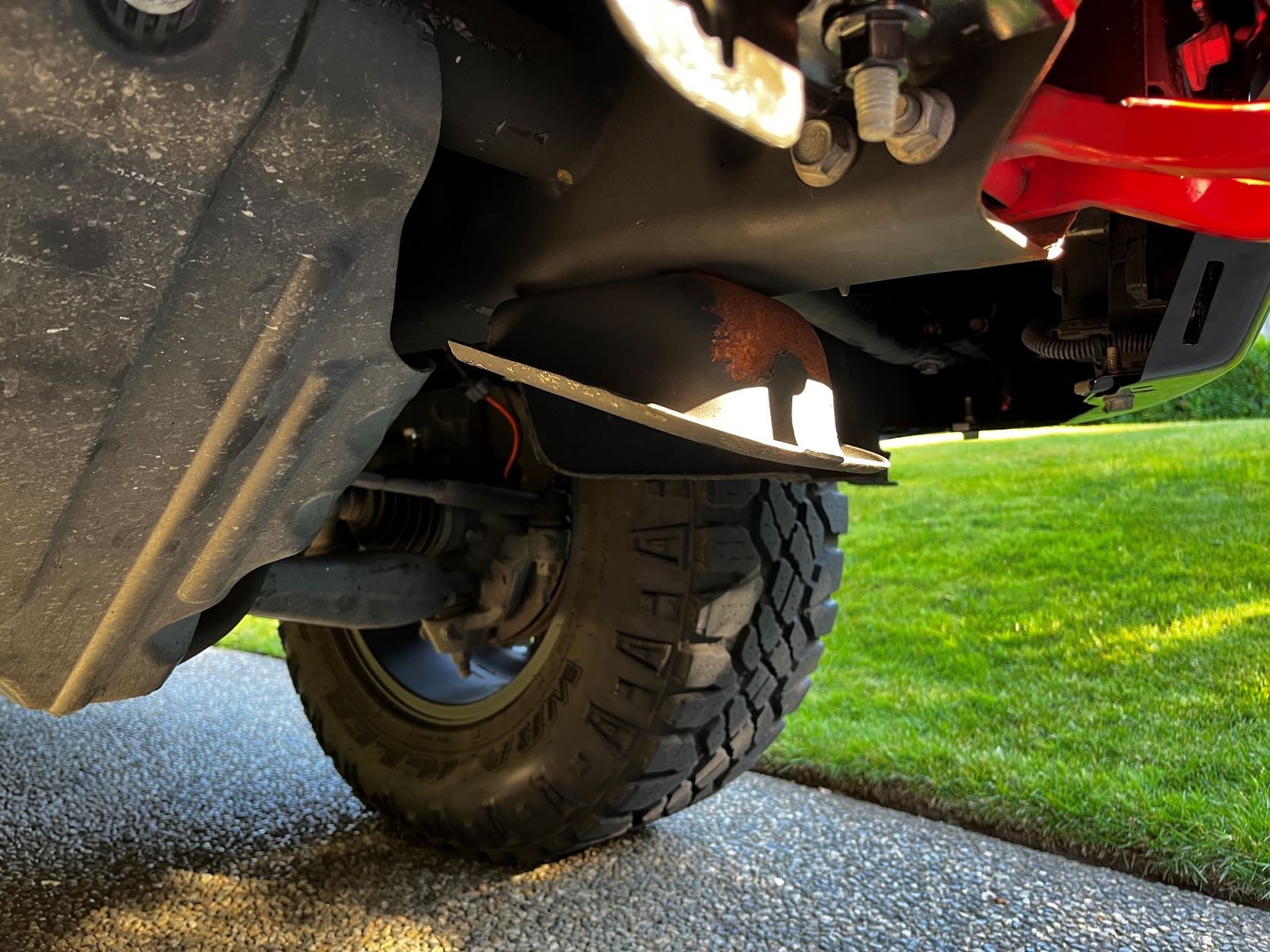
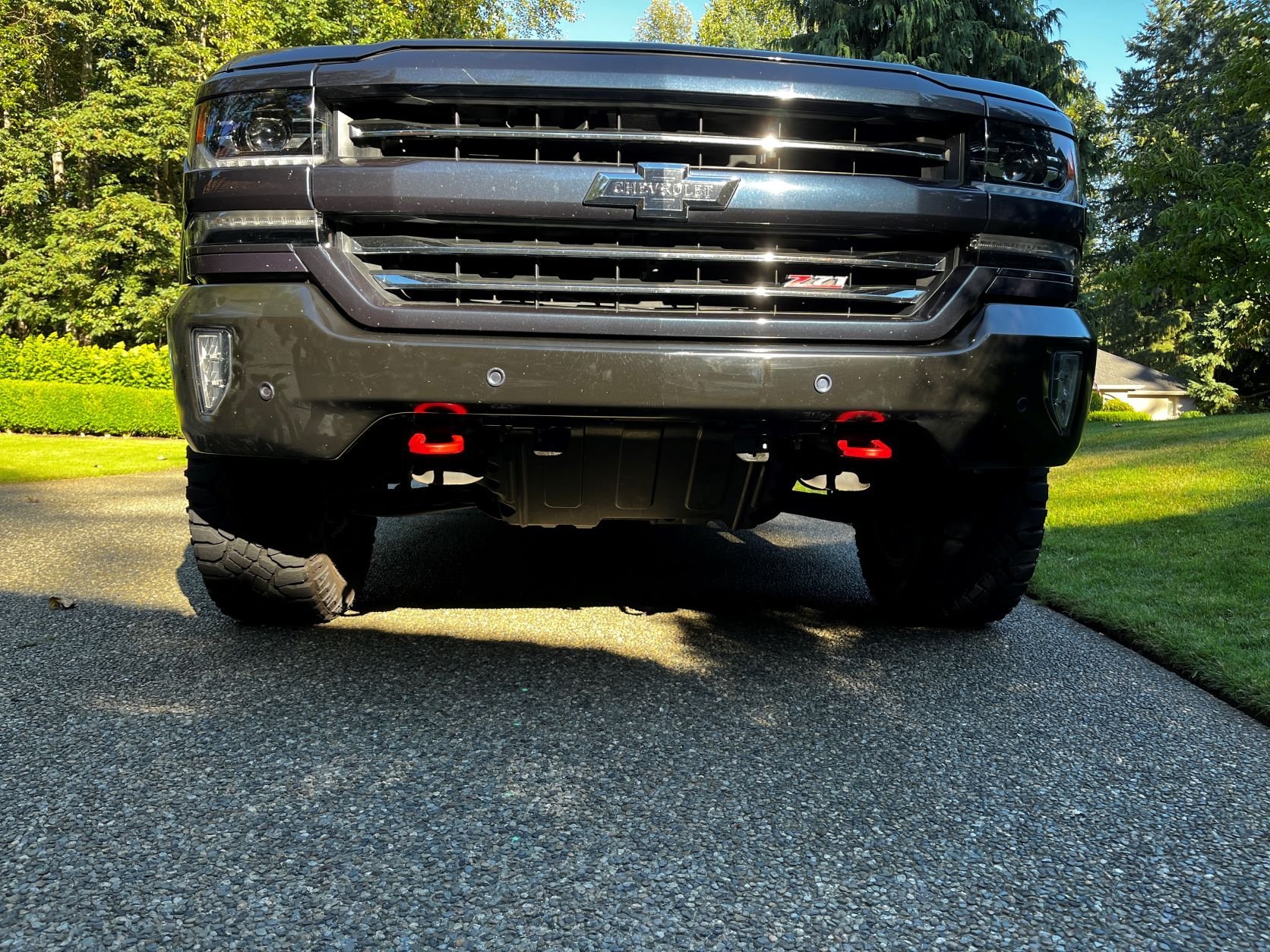
I am rebuilding my front bumper because like rock beats scissors, trailer hitch beats bumper. (ie: I slid into the truck in front of me on the trail). These bumpers fold up easy by the way. First, the names they give these components are deceiving. For example, the metal/chrome insert on the lower plastic "bumper cover" (which itself doesn't cover the bumper) is called the "skid plate". I am doubtful that this piece will do anything to help with skidding against anything. Maybe some light branches and tall grasses. What I am wondering is: has anyone left the lower two plastic pieces on the front bumper off for extended periods? Or run with aftermarket bumpers that don't have these lower pieces (more pre-runner/ old truck look)? Basically, they seem to be air dams and some road debris protection of the suspension components. I like the look without them, and assume I will lose some gas milage, but do I also expose the running gear to more snow/slush/spray/bugs/rocks? does it matter, or just wash off? Also: bonus points for anyone who knows what "Underbody Brackets" (GM (23212858)) are for? Their part description says, "Helps align and secure various components" but nothing is attached and nothing seems "aligned". They're the two cups welded to the bottom of the frame rail (see picture).
-
Infotainment System Noise From HAM Radio Transmitting on UHF
ftwhite replied to K1NRG's topic in Troubleshooting & Recalls
Right. I was thinking more the grounds the truck radio uses. That's where the interference is being heard, right? I had some handhelds a while back, and they never caused interference, but I have upgraded all my grounds since "day one" based on lots of Chevy truck experiences. I was going to order a new handheld soon, so I'll try it out when it gets here. Do you like the BTech? -
Infotainment System Noise From HAM Radio Transmitting on UHF
ftwhite replied to K1NRG's topic in Troubleshooting & Recalls
I recently installed a Midlands MXT575 in my 2018 Silverado with a factory head unit, but with aftermarket amps. It was a Bose system to start, so always a separate amp mounted on the rear cab wall. I tapped the ground into a post in the passenger fuse box, and used a fuse tap for the power. Broadcasting at high power (50w), I never got feedback. The antenna started out on the dash, and then moved to the cab top on a magnet mount near the rear brake light, and then to the top of the rear seat inside to get through a car wash. Maybe check your ground point? -
Which 2.5" Coilovers Would You Pick?
ftwhite replied to LongrangeLauber's topic in Modifications & Accessories
I have no experience with Vertex. I have had fox 2.0 on front and back of my 1500 3" lift for 60k+ miles. I like the on road manners a lot. Soft enough to be smooth ride, firm enough to provide control (1000x better than factory). Offroad, I have no complaints. They maybe bottomed out once hitting a dip at speed, but no big deal, and handle everything else I need. My son put Fox 2.5 on his jeep XJ (unibody and very light). He loves them, but too rough on pavement for me. Long highway trips are jolting, but bearable. Looks wise, the Fox 2.5s are much better, and his has reservoirs which are even more flex looking. -
Agreed. Not normal. I just had the opposite problem. My thermostat got stuck closed, and the electric fans kept running full speed to try to keep temp at 210. Replaced thermostat, and truck runs pegged at 210 once warm.
-
I had a similar problem getting the kooks ypipe to connect. The ball joint just wouldn't tighten up enough to close the gap and not leak. I had a muffler shop weld on a flange joint instead. Not as flexible, but there is another flex point downstream, and no problems over 10k miles so far.
-
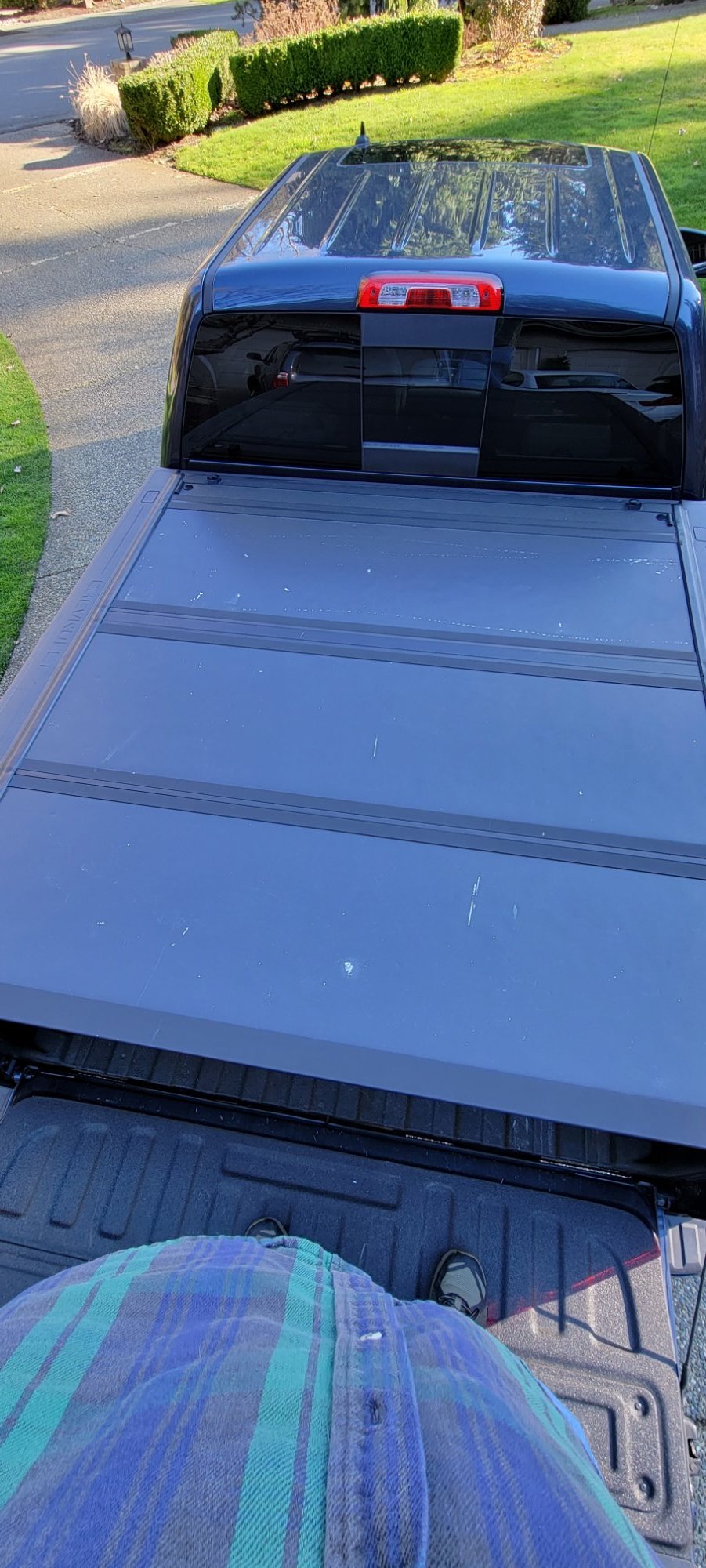
BakFlip MX4 for a short bed 2018 Chev Silverado 1500. Got it new with truck. Replaced with newer model. Works, but has some damage and can leak. All parts included. Probably can't ship, but if you pay will consider. Local pick up in Seattle area. $50.
- 1 reply
-
- 1
-

-
Back up camera and under tailgate light bar
ftwhite replied to Cmsmoke837's topic in Modifications & Accessories
I added a led bar to the license plate. Bright, an does help significantly with back up camera details. https://hidkitpros.com/shop/vleds-lpr-led-license-plate-back-up-reverse-light-system/ -
NGK Ruthenium vs AC Delco Iridium spark plugs for 5.3?
ftwhite replied to greenoliver1's topic in Engines & Drivetrain
I use the NGK ruthenium on my 6.2. Work great. Can't tell difference from factory, but the wire upgrade was big. Took care of miss fires. -
Im sorry, but it is kind of funny GM 21-NA-199
ftwhite replied to 14burrito's topic in Engines & Drivetrain
This is the kind of data that to me reenforces that the "make sure to only use the factory parts and factory spec'ed fluid, because the engineers always get it right" is a very blind sentiment. I am not saying aftermarket is always better, but I am convinced that the water pump I replaced has lasted longer than the original, that the Amsoil Transmission fluid that is not officially approved by GM makes the 8speed transmission much better behaved, that the 5-30w oil used in other GM v8 engines is much better protection than the 0-20w the manual calls for, that lowering the engine thermostat and removing the transmission thermostat will improve the life of both, and that adding an oil catch can will help reduce fowling and carbon build up. Even if GM claims otherwise, or didn't spec that from the factory. I only wish I had done all of this in the first 500miles and not over the 60k it took me to change it all up. Your milage may vary, but I bet mine will be longer if you stick to stock. Glad to see GM finally addressed this in the 6speed. Wonder why they don't cover the 8speed. -
clicking sound from the throttle body area
ftwhite replied to Larsson's topic in 2014-2018 Silverado 1500 & Sierra 1500
Bolt off, bolt on. Takes three minutes once you know the steps. No reprograming for me, even when I upgraded to a ported one. However, my truck is tuned (before replacement). I don't think that changes it, but just adding the fact. -
2016 90K maintenance round-up
ftwhite replied to dp454so's topic in 2014-2018 Silverado 1500 & Sierra 1500
More thoughts - change your cabin filter. I was amazed how dirty this could get just from one long road trip. Find a cheap source online, stock up on a few. I change mine 3-4times a year and don't feel its too much. Always find dirt and other junk in it. Check the age of the battery. I hate cheap batteries, so I always replace mine (with Northstar), and then every 5y. I guess with good jump packs now this is maybe overkill, but I'm that way. Because I like weekend truck projects, and been on the wrong side of failures: I don't know how long I'll go on my front hubs. My Jeep's seem to go through them around 100-120k (timkin I think). Not sure what causes GMs to wear out yet, but having had one fail on a road trip (not a quick fix with tools in the truck), I am of the persuasion for this to be preventative rather than reactive. Similar for ball Joints and steering end links. I don't really trust them past 100k, but I am not there yet (61k), but I will replace when I get there. Probably together with hubs. U-joints: I don't get how these things wear. When I replaced them on my Jeep TJ just as a high mileage project (110k), looking inside the caps, it didn't make sense how they didn't blow up. It was rusty, gritty and black inside where the needle bearing were. To me, it seemed like they should have already failed. However, I have never had one fail. Magic I guess . This is a pain to do, even with a good press. But fun none the less. Take the belt off and check the pulleys. Especially the water pump. Mine was close to failing, but I caught it (wobbly). Listen for any rattles, squeaks, or roughness. Water pump is easy, alternator too, but more expensive. Idler and tensioner are simple too and pretty inexpensive. Never done the AC, on any car, truck or jeep. I like 100k because its when you get to do the big items and trade factory stuff for higher quality parts. Again, that just how I see it. The other side of the coin is: if the factory got you this far, whey not use the same stuff? Because, I don't. Except brake rotors. GM factory rotors are indestructible. Having tried Centric, EBC, and Napa on other trucks and SUVs...I really like the GM factory. -
2016 90K maintenance round-up
ftwhite replied to dp454so's topic in 2014-2018 Silverado 1500 & Sierra 1500
Couple comments (opinions): GM calls for Transmission fluid every 45k for severe usage, but defines severe usage as "hilly" or "city stop and go" driving, which to me seems very common. This tells me the factory transmission fluid can wear out much sooner than the 100+k many people say they are extending theirs to. So every 30k-45k seems like a good investment to me, especially if you do it yourself where fluid cost is the only cost. I changed mine at 60k, and moved off the Mobile1/GM because my 8speed transmission has been very poorly behaved (shudders, hard shifts when cold, over heating). Better quality fluid seems to really help. My experience. Transfer Case is always being used. These trucks don't have hubs that unlock, and the transfer case doesn't stop spinning the internals even in 2w drive. If this hasn't been done on your truck yet, you'll be surprised at how much metal shavings come out on the drain magnet when you change the fluid. I'd also change this fluid 30-45k. I think there are two approaches to fluid changes: try to get every bit of usage out of the fluid you can to save money on fluids; or change fluids as often as you can afford to get every bit of usage out of the truck that you can. I haven't met anyone on this forum yet who can prove one approach is better than the other, so just pick the one you like better and ignore the advice to the contrary. Their just opinions. -
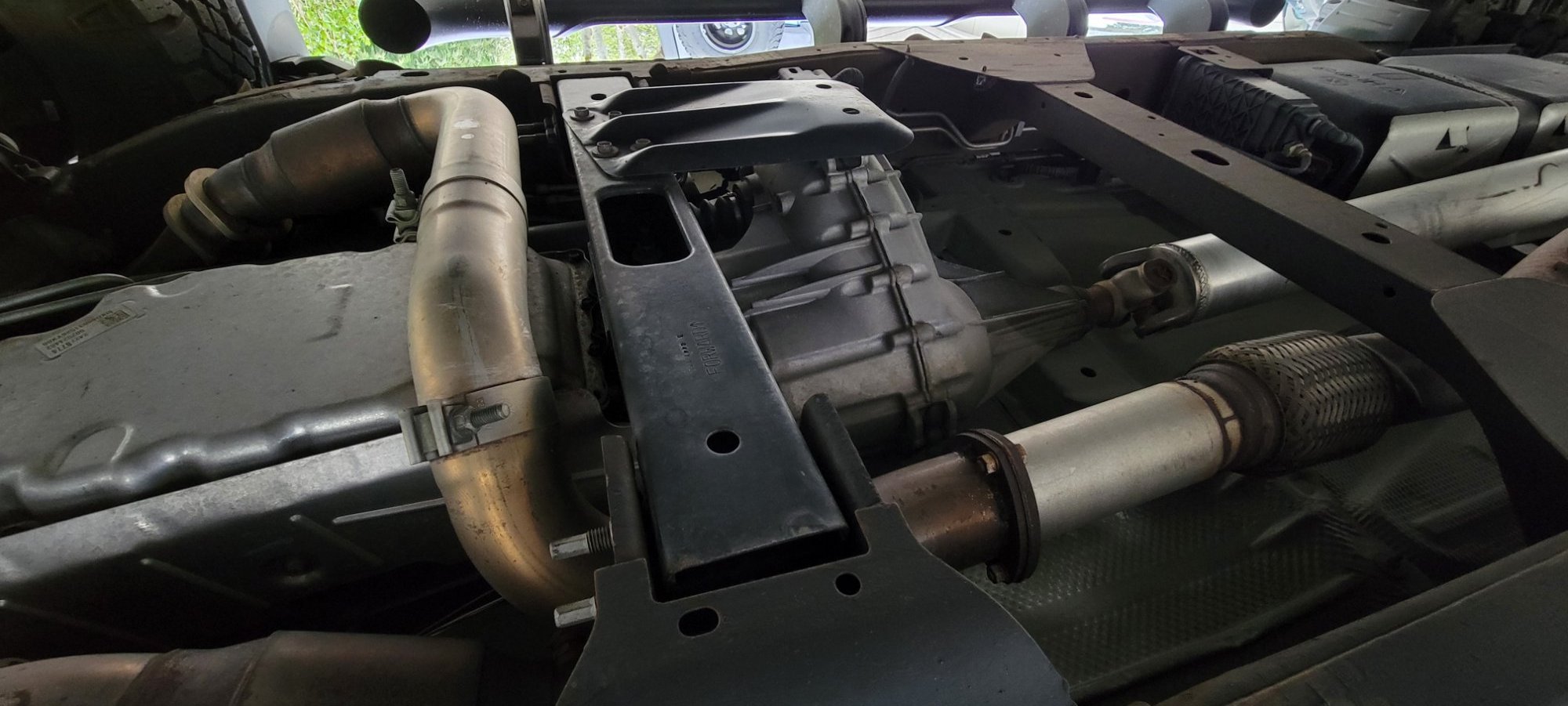
Everything that is spinning in 2wd, is also spinning in 4wd (auto, 4h, 4l). The only difference is how it all connects together. Variable clutch pack in transfer case for 4auto and locked clutch in 4h/4l. So if the sound goes away in 2wd, and only happens in 4auto, then I would suspect something in the transfer case clutch pack. Could be noise caused by lift changes (angles usually) that only gets exposed by torque. So still the transfer case clutch pack not working right, but exposed by lift. I bet a good transmission/diff shop can give you a much more educated opinion on if it is something you need to fix, or just let be. I wouldn't trust a dealer's opinion only.
-
clicking sound from the throttle body area
ftwhite replied to Larsson's topic in 2014-2018 Silverado 1500 & Sierra 1500
I had a ticking Throttle Body. Similar to your scenario (at idle, warm engine). Replaced it and it has not come back. Used it as an excuse to get a Solar TB (ported). Never did figure out what caused it. -
8 speed fluid and filter change
ftwhite replied to tlaw91's topic in 2014-2018 Silverado 1500 & Sierra 1500
I think it could be argued that the original black label M1 was the worst. It cause lawsuits for creating problems and failures. The second attempt by M1 seems better, but it still was the weakest part (transmission behavior) of the truck in my mind. Road trips this summer proved that out for me with severe overheating and shift problems. I need more miles on the new Amsoil to feel confident that it solved most of those issues, but I doubt I would go back to M1 fluid even if it did solve them all. -
8 speed fluid and filter change
ftwhite replied to tlaw91's topic in 2014-2018 Silverado 1500 & Sierra 1500
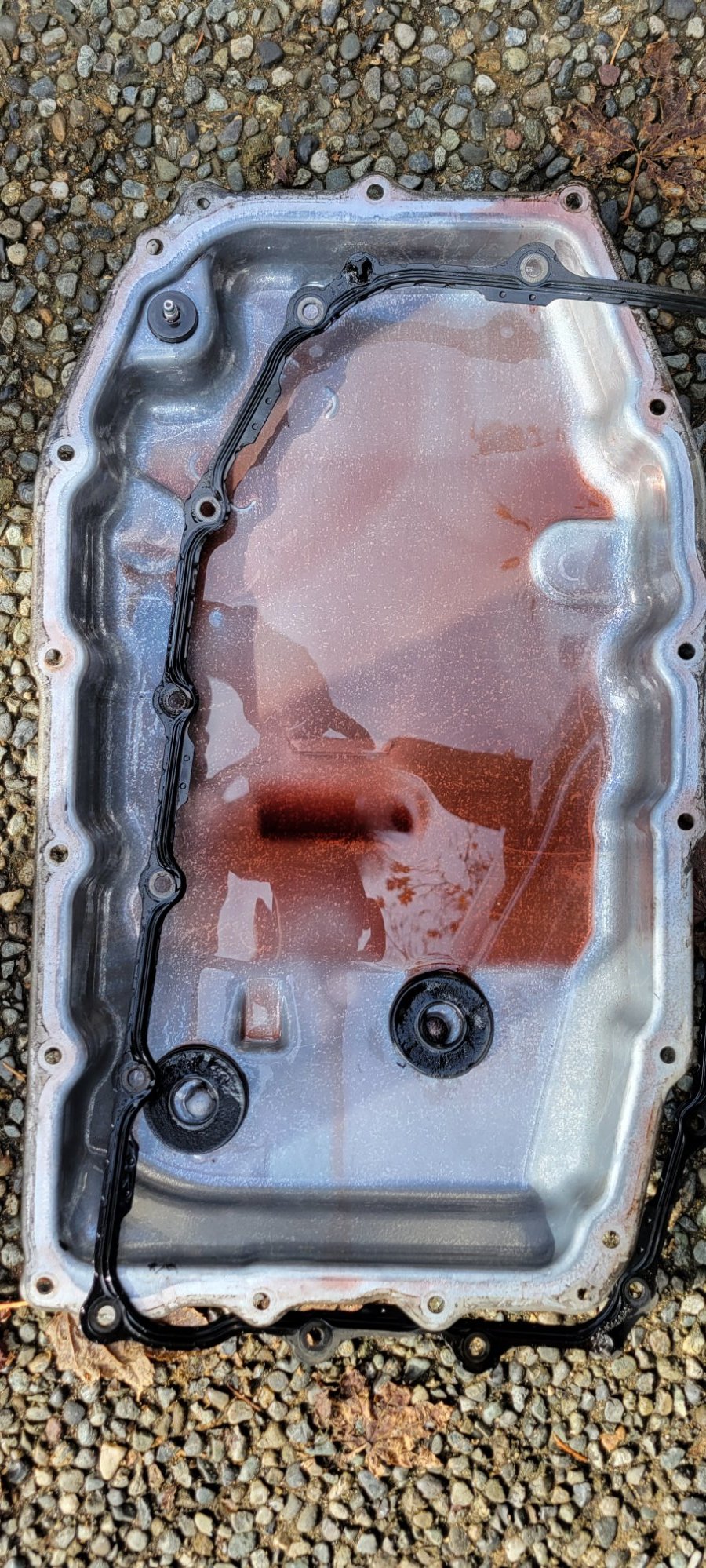
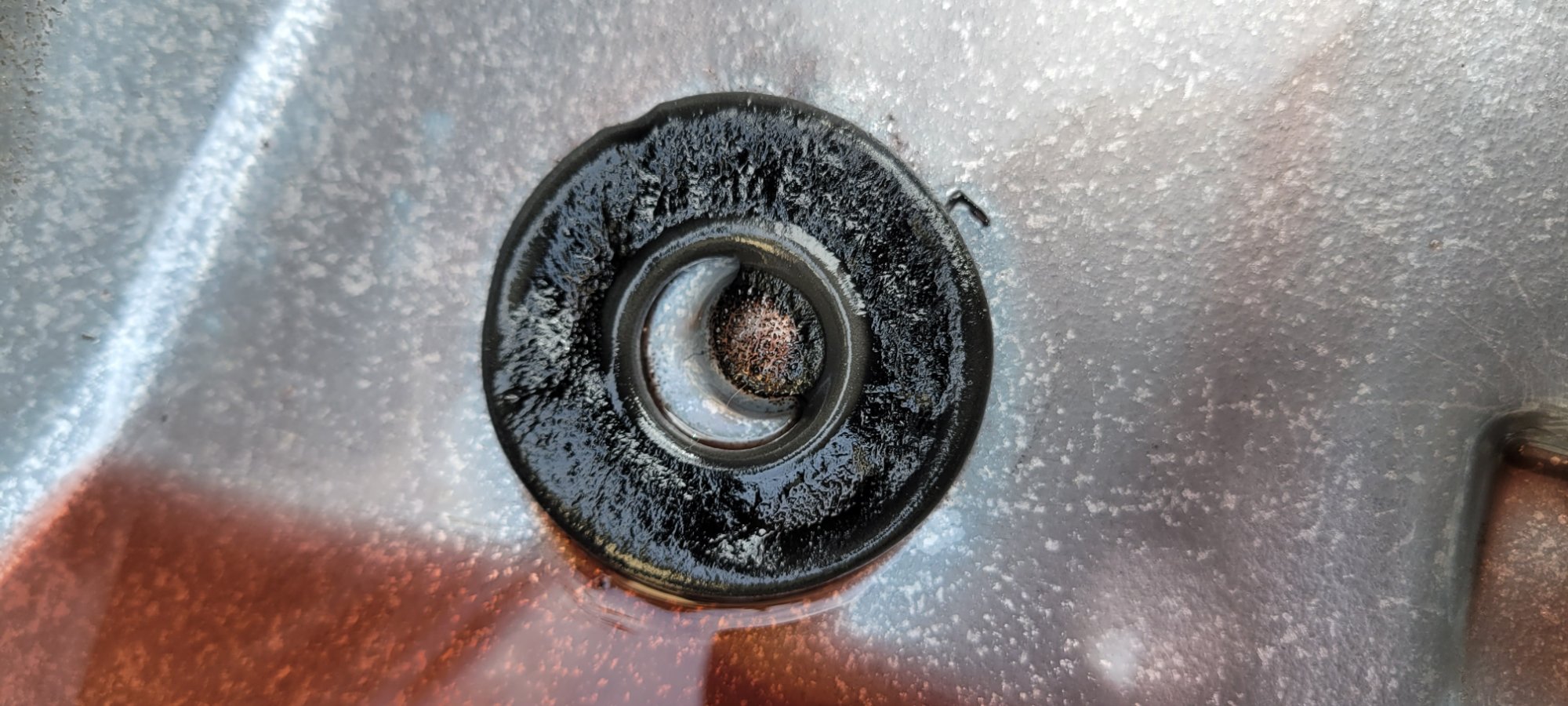
I replaced filter and fluid today. Used the transmission pump to pump most out from cooler line. sucked out some more with extractor from fill hole, and got a little more when I dropped the pan. Pan was much cleaner than expected. I have 61k on the truck. The dealer exchanged the original fluid with the updated M1 blue label stuff around 25k. This summer, on long road trips, the transmission often reported temps over 220. So I was really expecting to find most of the clutch material coating the bottom of the pan and magnets. Instead, the magnets were well coated, but the pan barely needed to be wiped. I put Amsoil back in this time. Look, if GM/Mobil1 got the fluid wrong the first time, I don't really care what they suggest the second time. The 8 speed is not a magical new technology. My opinion is, they mess with the fluid and temp to try to get more gas milage, rather than because they care about protection or lifetime wear. I think Amsoil and Redline focus on lifetime and wear, rather than gas milage. So I trust them more than GM. Just my view. I also did a thermostat delete, using a Superior Transmission kit. So far, the temps are lower (doesn't mean much since we don't have summer temps), and the shifts are every bit as good as I ever remember. In fact, the weird 1-2 cold stumble I had every morning has not returned...yet. Time will tell, but glad I did this, and it was simple with the right tools. Will probably do this every 30k going forward. PS: I cut the factory filter open. Seems more like a screen for big particles, rather than the fine filtering of a oil/air filter for example. Really course material, and not much dirt seemed caught in it. I agree these probably don't need to be replaced, but that would be a odd way to save some money on such a expensive investment.
-
How to add subs to Bose system with Nav
ftwhite replied to cubangt's topic in Modifications & Accessories
I replaced speakers in my 2018 Bose system first. The Bose speakers are really mediocre. However the Bose amp power is weak. So i quickly looked for adding amps for doors. This gave me the biggest improvement, but I didn't like the idea of taping into wire harness because 1) the Bose system is used for environmental sounds (Ringer, door ding, seatbelt reminder) and I didn't really want those amplified, and 2) my 6.2 has a noise canceling system that uses the factory sub and woofers to cancel low RPM engine and exhaust sounds, which I heard can be amplified via a replacement sub. So I used the Nav-TV M650-GM to interface with the headunit to Bose amp communication channel and send a un-processed complete signal to the aftermarket amps. I then also had a simple way to pull a sub signal and add a second amp and sub. Love the sound now. -
Seems like you could buy this part: GM (13581217) and replace the usb port guts with 3.0 versions from something like this: Amazon.com: [2 Pack] 12V/24V Triple USB Outlet, Qidoe Aluminum Metal 60W USB-C Multiple Car Charger Socket PD3.0 & Two QC3.0 Ports with Touch Switch Fast Car Adapter for Car, Boat, Truck, Golf, RV, Motorcycle : Automotive or, see if you could use this to connect to the back of the GM part, and direct wire to fuse pannel, to supply the power to the USB hub in the GM part: Amazon.com: Dash Cam Hardwire Kit with Mini/Micro/Type-c Port, 4 Meter Dashboard Camera Car Charger Cable Kit 12V- 24V to 5V, Power Adapter with LP/Mini/ATO/Micro2 Fuse for Dash Cam, GPS Navigator, Radar Detector : Electronics





.jpg.b56d0cea470905746bd1718909071ce6.jpg)

-
Forum Statistics
250.5k
Total Topics2.7m
Total Posts -
Member Statistics
342,897
Total Members8,960
Most Online
-
Who's Online 12 Members, 0 Anonymous, 1,329 Guests (See full list)