Jump to content

Highway miles when buying new


Recommended Posts

Posted

My 17 was my first new vehicle ever and I asked about breakin. The dealer told me just to drive normally. As in, not too aggressively.


They did tell me to wait until after 500 miles or so if I planned on pulling anything very heavy.

  • Replies 52
  • Created
  • Last Reply
Posted

I drove 220 miles one way to get my new pickup and drove it 70 the whole way back. Interstate travel. I have 13k miles now and have had it almost a year. No issues from that.

Posted

Umm, no.


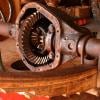
Not to be blunt, but there is nothing that you can do to 'temper' or 'heat treat' the rear end, during any type of driving. Those gears have already had that done, thru special heat and/or chemical processes, when they were made, so that they are hard and tough enough to do the job. Driving doesn't create enough heat to come anywhere near the parameters required for any changes to take place.

The only way you could change anything in that regard is to drain the gear oil and then run at high speeds til things start self-destructing. That's obviously not the goal.

Heat cycling things is an old wives tale that somebody invented a long time ago and many people still buy into, without thought. It was a silly theory and nothing more. That theory became obsolete over 30 years ago, as it blatantly ignores modern materials, manufacturing and metallurgy.

If people are getting a whine out of a rear diff, it's because the diff wasn't setup properly to begin with, or there was a manufacturing defect in one or more of the parts, or the design of the gear teeth themselves will create a whine. There is no other reason.


To get the best long term performance, there is only one proper way to break in a new vehicle- get it warmed up, then start bunch of hard acceleration cycles, up thru the gears, then back off, down thru the gears, with lots of engine braking. Lather, rise & repeat, for about 20 minutes or so. This is a dyno and scientifically proven process.

Everything else is just coffee klatch bull****


I am sure there are new treatments that have widened the window of failure or issues. The Germans micro polish and heat treat, Gm even shot peened the Zo6 gears back in 2002, and higher end manufactures Cryo treat gears. I have read nothing of GM treating diffs in any way. I am sure their manufacturing process is improved from 30 years ago. Open to any info you have of what they actually do. I also have seen countless threads of guys on the corvette forum with whining rears who admit they didnt attempt to break it in. Doubt they were set up wrong because the guys with issues are always the drive it like you stole it crowd. There is a break in prodecure for differentials for modern rears. Silly theory ??? I don't think so. Seems people in the business know otherwise, think I will listen, cheap insurance for me.


https://www.marlincrawler.com/tech/diff/differential-break-and-care-information


http://eastcoastgearsupply.com/ft-1479-new-gear-break-in-procedure.html


https://ls1tech.com/forums/gears-axles/849548-differential-break-procedure.html


http://www.differentials.com/technical-help-2/ring-pinion-gear-break-procedure/


http://www.differentials.com/technical-help-2/ring-pinion-gear-break-procedure/


If the temperature of the metal gets hot enough to change the molecular structure, it will soften the surface instead of hardening it. This may seen like a balancing act, but it all happens easily and passively as long as the oil keeps the gear cool while it is breaking in. Some of the synthetic oils on the market today can help a gear set live longer.


I think it's wise to spend a little time to ensure no issues. But do what you want to your 50K truck, I'll spend a little time making sure I avoid stupid issues from ignornace or hearsay.

Posted


Heat cycling things is an old wives tale that somebody invented a long time ago and many people still buy into, without thought.

To get the best long term performance, there is only one proper way to break in a new vehicle- get it warmed up, then start bunch of hard acceleration cycles, up thru the gears, then back off, down thru the gears, with lots of engine braking. Lather, rise & repeat, for about 20 minutes or so. This is a dyno and scientifically proven process.

Everything else is just coffee klatch bull****

I believe one old wives' tale is as valid as the other. The one I feel most comfortable with is the one recommended by the manufacturer.

Posted


I am sure there are new treatments that have widened the window of failure or issues. The Germans micro polish and heat treat, Gm even shot peened the Zo6 gears back in 2002, and higher end manufactures Cryo treat gears. I have read nothing of GM treating diffs in any way. I am sure their manufacturing process is improved from 30 years ago. Open to any info you have of what they actually do. I also have seen countless threads of guys on the corvette forum with whining rears who admit they didnt attempt to break it in. Doubt they were set up wrong because the guys with issues are always the drive it like you stole it crowd. There is a break in prodecure for differentials for modern rears. Silly theory ??? I don't think so. Seems people in the business know otherwise, think I will listen, cheap insurance for me.


https://www.marlincrawler.com/tech/diff/differential-break-and-care-information


http://eastcoastgearsupply.com/ft-1479-new-gear-break-in-procedure.html


https://ls1tech.com/forums/gears-axles/849548-differential-break-procedure.html


http://www.differentials.com/technical-help-2/ring-pinion-gear-break-procedure/


http://www.differentials.com/technical-help-2/ring-pinion-gear-break-procedure/


If the temperature of the metal gets hot enough to change the molecular structure, it will soften the surface instead of hardening it. This may seen like a balancing act, but it all happens easily and passively as long as the oil keeps the gear cool while it is breaking in. Some of the synthetic oils on the market today can help a gear set live longer.


I think it's wise to spend a little time to ensure no issues. But do what you want to your 50K truck, I'll spend a little time making sure I avoid stupid issues from ignornace or hearsay.

So, what you have is a bunch of folks repeating the same thing, with the real goal of reducing theoretical risk to themselves as manufacturers/installers. Nothing more. There have been many hundreds of millions of rear axle/differentials made over the years and not one of them has failed, or developed issues because the first owner didn't 'break it in properly'.


In a properly done 20 minute break-in, there is no way that you're going to cause harm to any properly setup rear gearset etc.

Posted

I believe one old wives' tale is as valid as the other. The one I feel most comfortable with is the one recommended by the manufacturer.

The manufacturers break-in recs have been proven wrong on dyno tests and in engine teardowns. The manufacturers write them the way the do to keep the bean counters happy.

Posted

I built engines, rebuilt them, have broken in numerous ones fresh off the build using the hard break in method, and have read nearly every decent article written on break-in's.


-I wouldn't give two shits about the ride home on a factory fresh pickup truck.


I might try to engine brake a few times using M, but otherwise drive it like normal. Only one thing to avoid like the plague especially on a new drivetrain, and that's avoid beating on it when everything is cold. That should be obvious though.


Cruise control at 80mph is going to do no harm.

Posted

My company buys 30+ new work trucks each year and we all drive from a 6 state area to pick them up in one location ( I am 300 miles away). We pick them up new off the lot, take them across town to get the brushguard and winch put on it then hit the interstate home doing the speed limit or higher and never had a problem out of an engine because of this. To each their own but I think you we will be just fine.

Posted

I am looking at your name and am wondering if this is a test? Loading up and seating the rings is important and not over reving the motor are important. Varing the speed up and down and a little in town driving with downshifting will work before you hit the highway. But the biggest thing most forget is the rear differential. Everyone always worries about the motor and forgets that they are breaking in the trans, the brakes, and the rear diff. If you look into the proper break in procedure for a new rear differential that is where the issue comes in. Done wrong it can develop a whine. This happens to alot of corvette guys who just jump in and hit the highway. A car is more of a capsule than a truck with an open bed (so more noticable) so some guys may not notice they have a whiney rear. The procedure invovles tempering the rear. Which means heat cycles and cool downs. 25 miles at a lower speed, cool down about an hour, 50 miles at a higher speed, then cool down again. Then there is a recommended flush after more miles. Then its good to go. Now not many people do this for a new car, but thats why many do alot of in town local driving and stop and go for break in. It accomplishes bedding in the brakes, seating the rings, and heat cycling the rear. Running down the highway with zero miles is not optimal.

I had this same dilemma picking up my corvette two states away. I got in early, picked it up and did 50 miles in that area at low speeds with alot of stop and go. Seated the rings accelerating correctly. Bedded the brakes. Did some more miles at highway speed then pulled in and had a long lunch to cool down the diff. Then hit the highway for 150 miles home, and stopped again for an hour. Then did my run home with a tempered rear. My rear is very quiet with no issues 6 years now. I also drop my diff fluid at 3000 miles because there is no filter and a lot of meshing going on. So if you ever had a new rear diff put in a car, believe me they give you specific directions to follow and a flush.

If you just drive it home nothing will blow up. It may whine though, and if that matters to you, look into proper rear diff break in.


Never thought of this but no, not a test. When registering on the site, the user name I wanted was taken and 'rear diff' was one that was suggested as an alternative, so I took it ;) No meaning behind it.


Thanks for all the replies, based off all the posts above, I think I'll split the middle and do a thorough test drive of several miles and try to do some start stops / break-in on it, then find a two lane highway route home where I can vary the speed and have small town traffic along the way. I don't know how many miles it has already but suspect it's been test driven some already (hopefully not by some lead foot wanting to 'test' out the power of 6.2)

Posted

I religiously followed the break-in rules in the owner's manuals and then babied my '96 Impala SS and '09 Silverado Z71 4x4 when they were brand new. Both turned out to be oil users. I remember feeling silly driving 50-55 mph for the first 500 miles, with people in old beaters passing my new vehicles (especially the Impala SS) like I was standing still.


As they say, your mileage may vary, but if I ever get a new vehicle again, it's gonna be hammer down from the git go. I do not overabuse vehicles, but I'm not gonna baby any more new ones. If I need to hit passing gear to pass someone or stand on the brakes because some little subcompact with a death wish just cut me off, and my new vehicle only has 300 miles on the vehicle at the time, so be it. From what I've read, I believe that will seat the piston rings better and brake linings, etc., better, and also to help turn up any warranty problems faster so you can get them fixed well before the warranty runs out.

Posted

I followed the owners manual. Anyone that says they know better than the people that ENGINEERED your truck, are wrong! Follow the owners manual, there are other parts besides the engines that need "broken in".

Posted

Maverick, I had a similar issue with my 94' except the only time it used oil was when I would pull my trailer and have to drop a gear or 2 depending on hills..... Normal driving it never used a drop. I varied my rpms but not higher rpms like when pulling a trailer while breaking it in.....

So my 99'02' 03' 05' and now my 17' have all been broken in at higher rpms ..... No oil consumption when pulling the trailers, don't know if it's coincidence or not, but I will continue to do it this way, instead of how I did my 94'

Posted

So, what you have is a bunch of folks repeating the same thing, with the real goal of reducing theoretical risk to themselves as manufacturers/installers. Nothing more. There have been many hundreds of millions of rear axle/differentials made over the years and not one of them has failed, or developed issues because the first owner didn't 'break it in properly'.


In a properly done 20 minute break-in, there is no way that you're going to cause harm to any properly setup rear gearset etc.


Theoretical risk?? You are an example of "you can lead a horse to water but can't make him drink". So all of these manufactures and installers don't have any engineers or statistcal data as to why they give a recommendation?? Where are your statistics or articles of proven facts? All you have is a hardheaded opinion based on nothing? Hundreds of millions of axles and none of them failed?? Prove it. Where did anyone say the axle will fail due to improper break in?? Not me and not anyone above. Your literally making stuff up and spewing opinions based on nothing but what you think. I even said driving it home nothing will happen. BUT some of us who care to KNOW facts and respect our property and dont want future issues ( like whining) may want to explore proper recommendations. GM just wants you to make past their warranty period. Unless it fails they arent replacing anything thus their recommendation. Amazing that you see it in writing and a video by people in that bussiness but you know better? I bet your never wrong either. A properly set up diff still needs to be broken in as we just read. Just because you can't hear, sold the car two years later, or it didnt blow up does not mean there isn't an optimal proper way to break it in. George Burns smoked cigars his whole life and didnt get throat cancer..................millions of other people did get cancer. I expect your opinion to be you can smoke cigars and not get cancer!!

Posted

Drove the 2015 All Terrain about 350 miles from selling dealer home. Was not going 55 miles per hour either. Did change oil and filter at a bit over 500 miles. Have not noticed any ill effects so far.

Posted

Theoretical risk?? You are an example of "you can lead a horse to water but can't make him drink". So all of these manufactures and installers don't have any engineers or statistcal data as to why they give a recommendation?? Where are your statistics or articles of proven facts? All you have is a hardheaded opinion based on nothing? Hundreds of millions of axles and none of them failed?? Prove it. Where did anyone say the axle will fail due to improper break in?? Not me and not anyone above. Your literally making stuff up and spewing opinions based on nothing but what you think. I even said driving it home nothing will happen. BUT some of us who care to KNOW facts and respect our property and dont want future issues ( like whining) may want to explore proper recommendations. GM just wants you to make past their warranty period. Unless it fails they arent replacing anything thus their recommendation. Amazing that you see it in writing and a video by people in that bussiness but you know better? I bet your never wrong either. A properly set up diff still needs to be broken in as we just read. Just because you can't hear, sold the car two years later, or it didnt blow up does not mean there isn't an optimal proper way to break it in. George Burns smoked cigars his whole life and didnt get throat cancer..................millions of other people did get cancer. I expect your opinion to be you can smoke cigars and not get cancer!!


I think Fidel Castro actually smoked cigars longer...He would have started around 8yr probably? Burns probably lit up later?

Archived

This topic is now archived and is closed to further replies.

  • Latest Articles

  • Posts

    • Diesel $5.42 at the truck stop on the hi-way
    • I'm not sure if this should be a new topic, let me know if it's out of place. This my first post. Thanks 85077522 - AC Delco GM Genuine Parts Brake Master Cylinders. Anyone else had to replace this brake master cylinder yet. I didn't do any brake work, it looks like new parts and I've had the truck for about 4k miles, 119k total miles.  When it started to throw codes I did the calibrations with a bidirectional scanner and got the codes to clear but they came back so I did the routine; base bleed, automated bleed and final base bleed. All that with Bosch ES16-32N fluid (please look it up). That seemed to fix it but 100ish miles later it failed again so I ran the same process but with a pressure bleeder this time and got the same results, fixed for 100ish miles. The original fluid looked bad and I thought I got most of it out, it could've been the wrong fluid. The codes; P25A2, C05B0-00, C2A1B. I can get them to clear but not for long. The C05B0 indicates a leak in the front circuit (which is bone dry) so I'm thinking of doing the bleed process on that front again today and I don't know if that's taboo to just do the front but at this point it seems like it's worth the try anyway. The new master cylinder/module unit is supposed to get here today. But now I'm pretty much convinced this install is over my head. I've called several shops and some mobile guys that I know but this thing is like radio active material, scary wise. I did get 2 local shops say they should be able to do it, one says he has the SPS2 programing capability. And with the battery disconnected is there supposed to be pedal resistance, mine is to the floor, then if I pump it I can get some resistance. I had a panic stop prior to this issue which may have contributed from what I read. And on the first attempt to bleed and hydraulic test the scanner listed things to look for and one was any gaps between the pad and rotors which I did notice on the RF corner and I removed the outer pad (where the gap was) cleaned it and the hardware and didn't see a gap after that but will re-check it. I read that if pushing the caliper pistons back then you're supposed to open the bleeder so as to not push fluid backwards into the abs module or it will damage it. If that's true then that's also a possibility from the previous owner having the brakes changed before I got it. I'm using an XTool ip500 scanner. Any suggestions, questions and comments welcome. 
    • Next Friday will be my 6 week point from my right knee replacement.  The surgeon says it will be fine if I choose to drive after this checkup.  I know I could drive now but best to do as my surgeon (and my wife) tell me.  Richard compared being 62 to 72.  I remember when I was in my early 60's I was experiencing slow but regular decline in my mobility.  Thanks to good medical support,  i continued to fight the speed and spread of this decline. During my 60's I worked on non-surgical methods and just when I turned 70, my orthopedic surgeon recommended joint replacements.  In a little over a year, I had one shoulder and both knees replaced.  This hasn't been a terribly fun experience, but worth the discomfort as my future mobility health trajectory has reversed.  It is a treat to now be watching my mobility. balance and confidence steadily improve!
  • GM-Trucks.com Clubs

  • Popular Contributors

×
×
  • Create New...